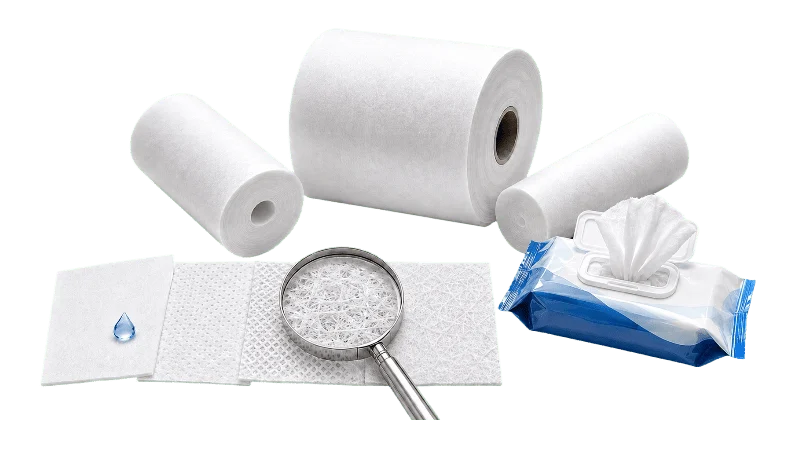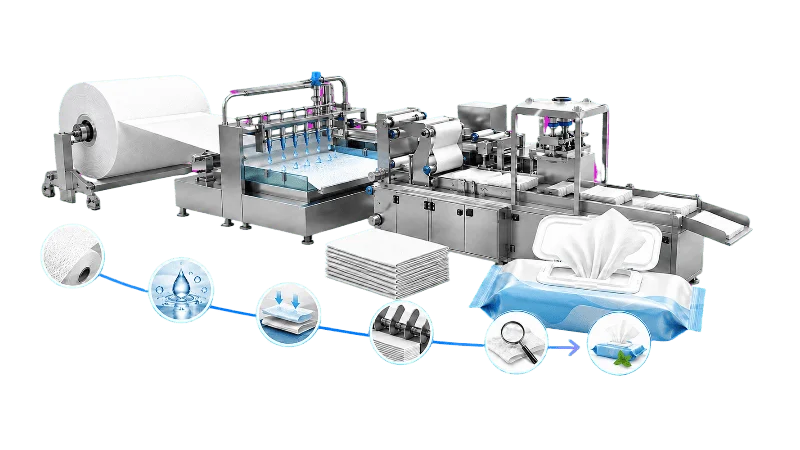


From raw materials to finished products, QIMEI provides integrated manufacturing solutions for wet wipes with reliable quality, flexible customization and global support.
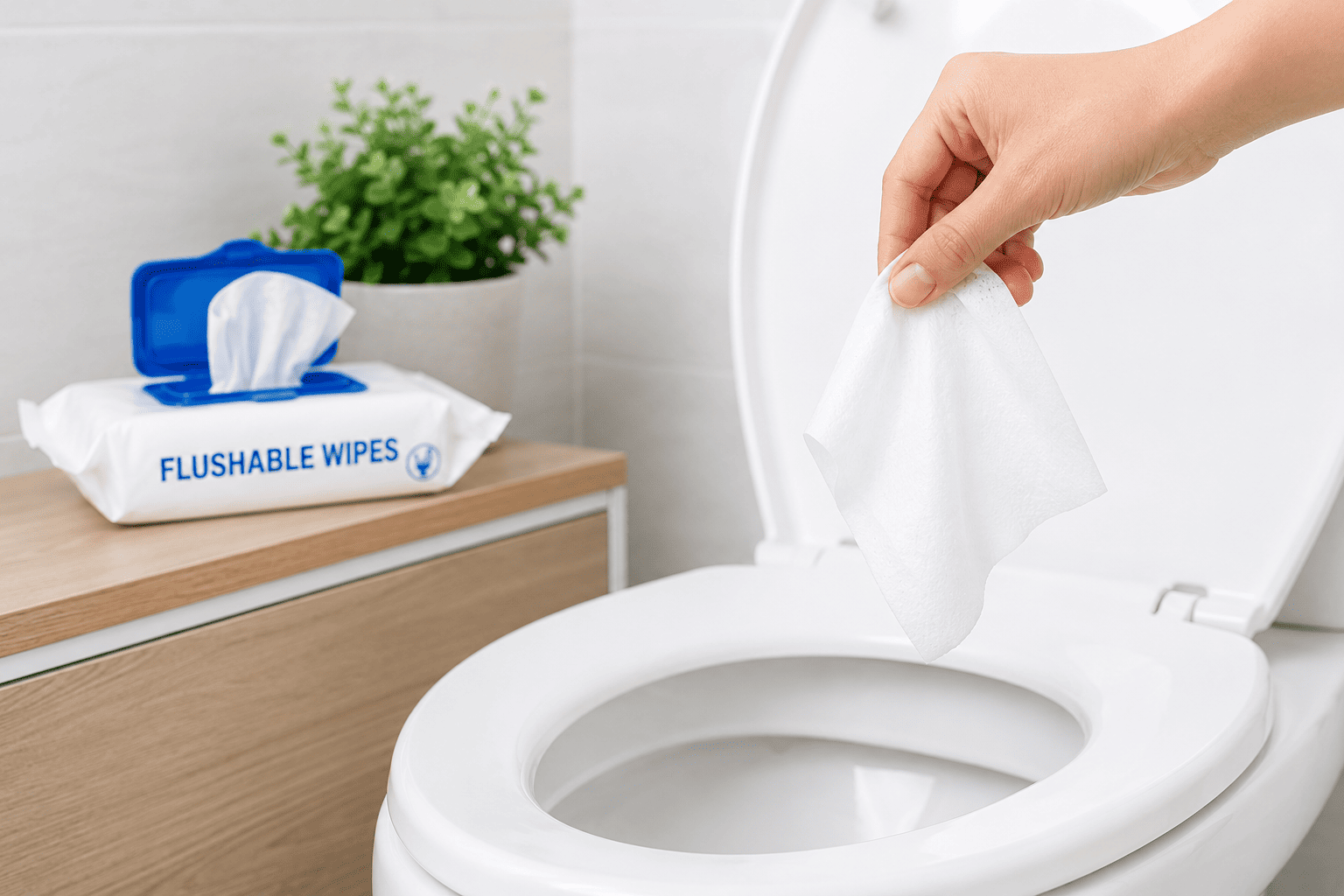
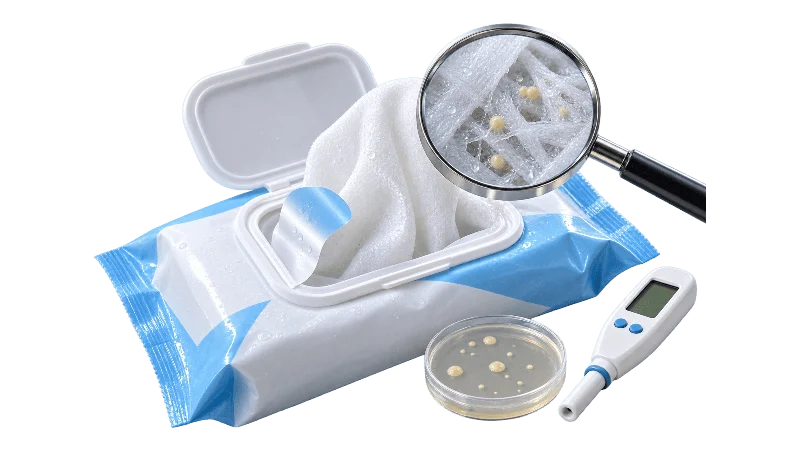
Wet wipes combine water-rich lotion, absorbent fabric and packaging. Learn why preservation is challenging, why cellulose-based flushable wipes may face mold risk, and what to test before production.
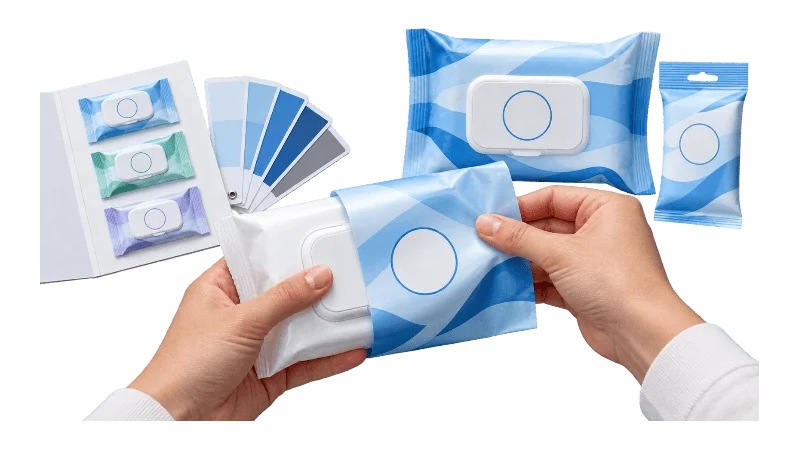
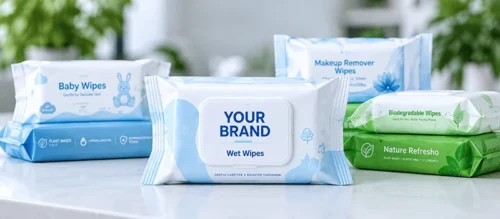
Want to start your own private label wet wipes brand? Learn the complete process from choosing your product and nonwoven fabric to formulation, packaging, testing, compliance and mass production.
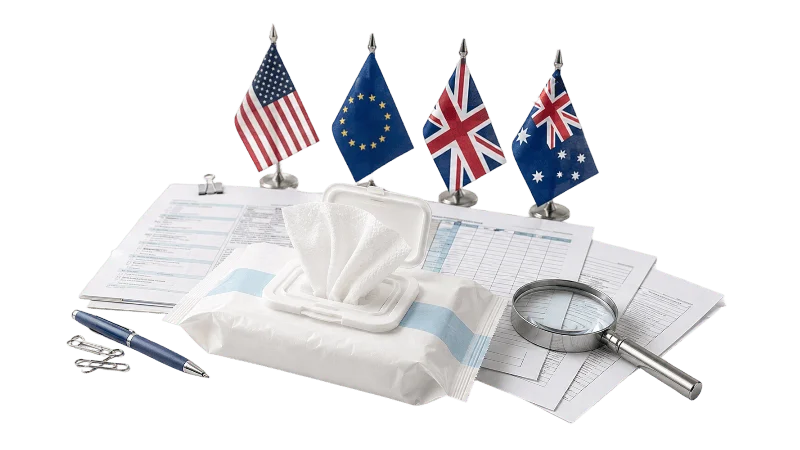
Learn how wet wipes are regulated in the US, EU, UK and Australia. Discover key requirements for cosmetics, disinfecting wipes, ingredients, labeling, testing and regulatory documentation.
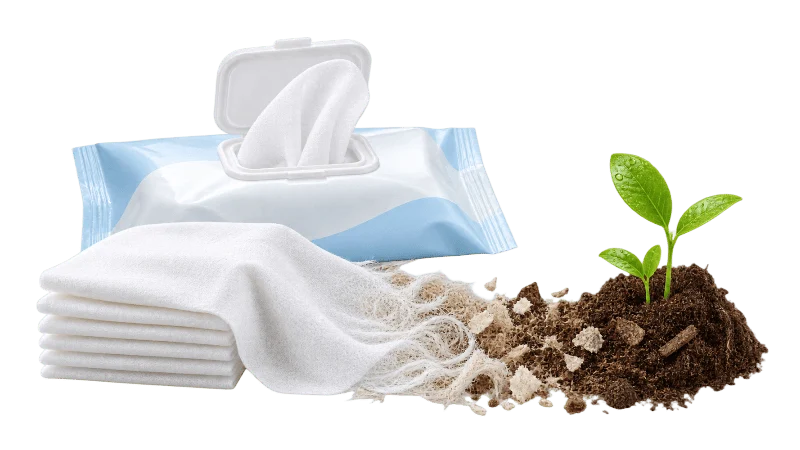
Not all wet wipes are biodegradable. Learn how viscose, bamboo viscose, lyocell and wood pulp can be used to develop biodegradable wipes, and what testing and product considerations matter.
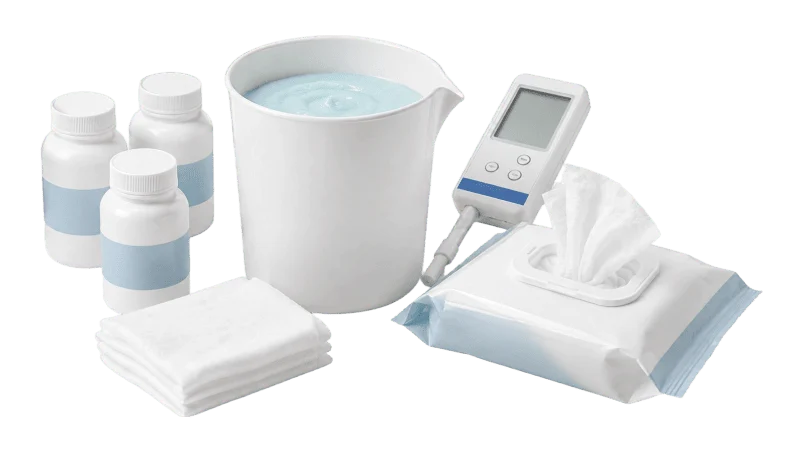
Learn how wet wipes are formulated and discover the functions of key ingredients, including water, humectants, preservatives, surfactants, pH adjusters, fragrance, and botanical extracts.
Choosing the right nonwoven fabric is essential for wet wipe performance. Compare viscose, polyester, bamboo viscose, wood pulp and lyocell based on softness, strength, absorbency, sustainability and application.
Discover how wet wipes are made, from nonwoven fabric and liquid formulation to folding, packaging, sealing, and quality control. This guide explains the complete wet wipes manufacturing process and key considerations for private label brands.
Finding the right wet wipes manufacturer is an important decision for brands, retailers, distributors, and healthcare companies looking to launch or expand a wipes product line.