 Meet Qimei at PLMA Chicago 2026 · November 15–17, 2026 · Booth #H3029
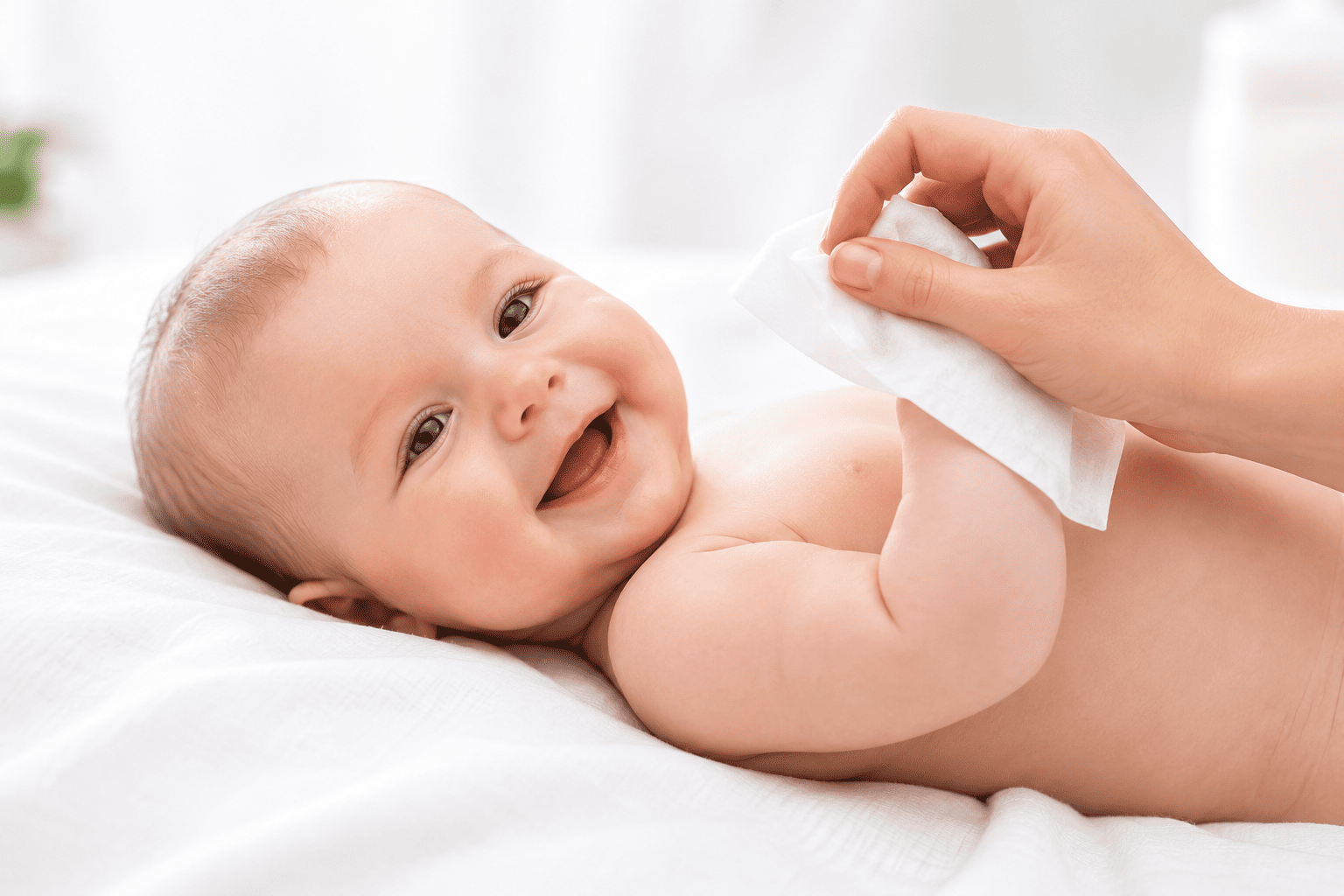
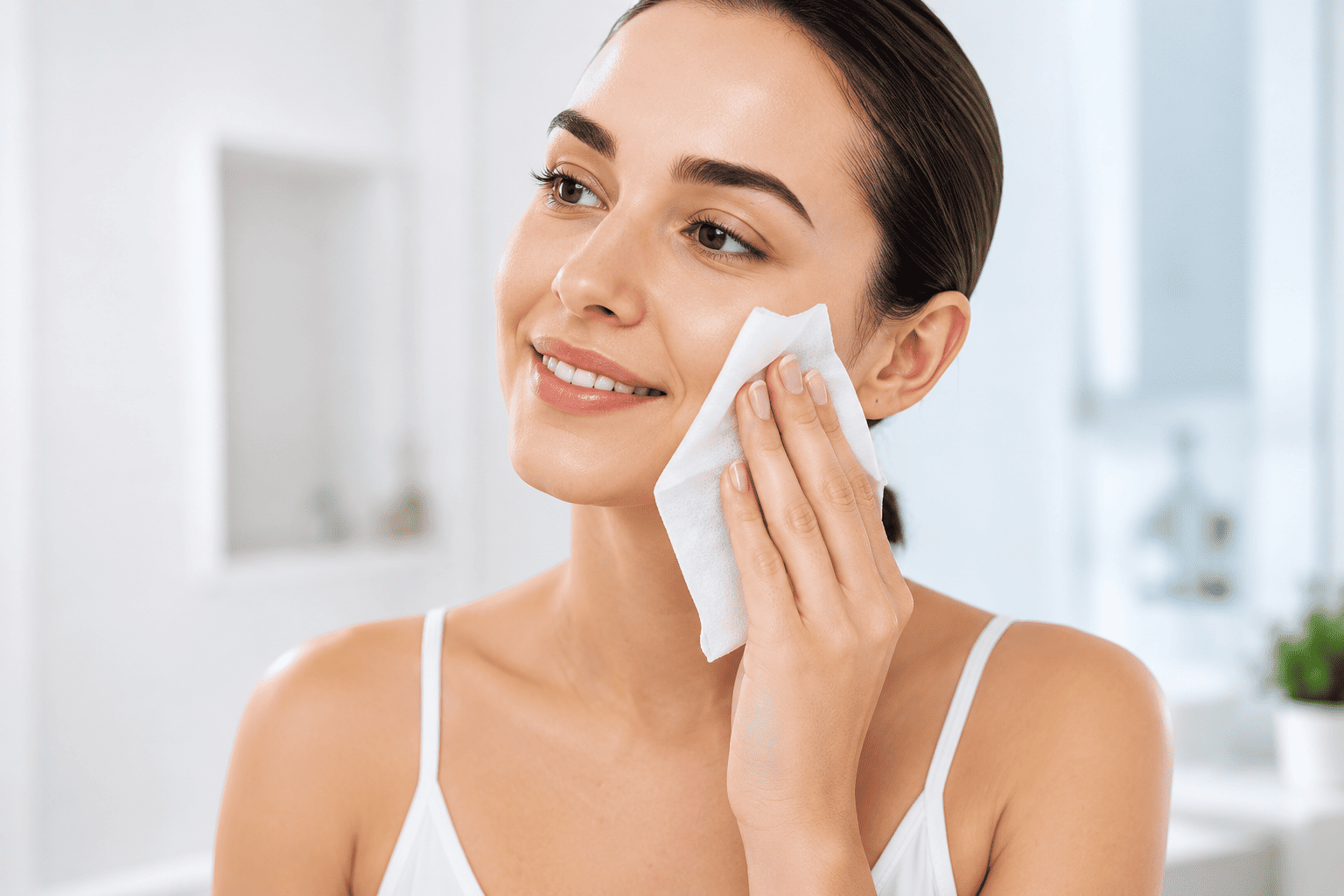
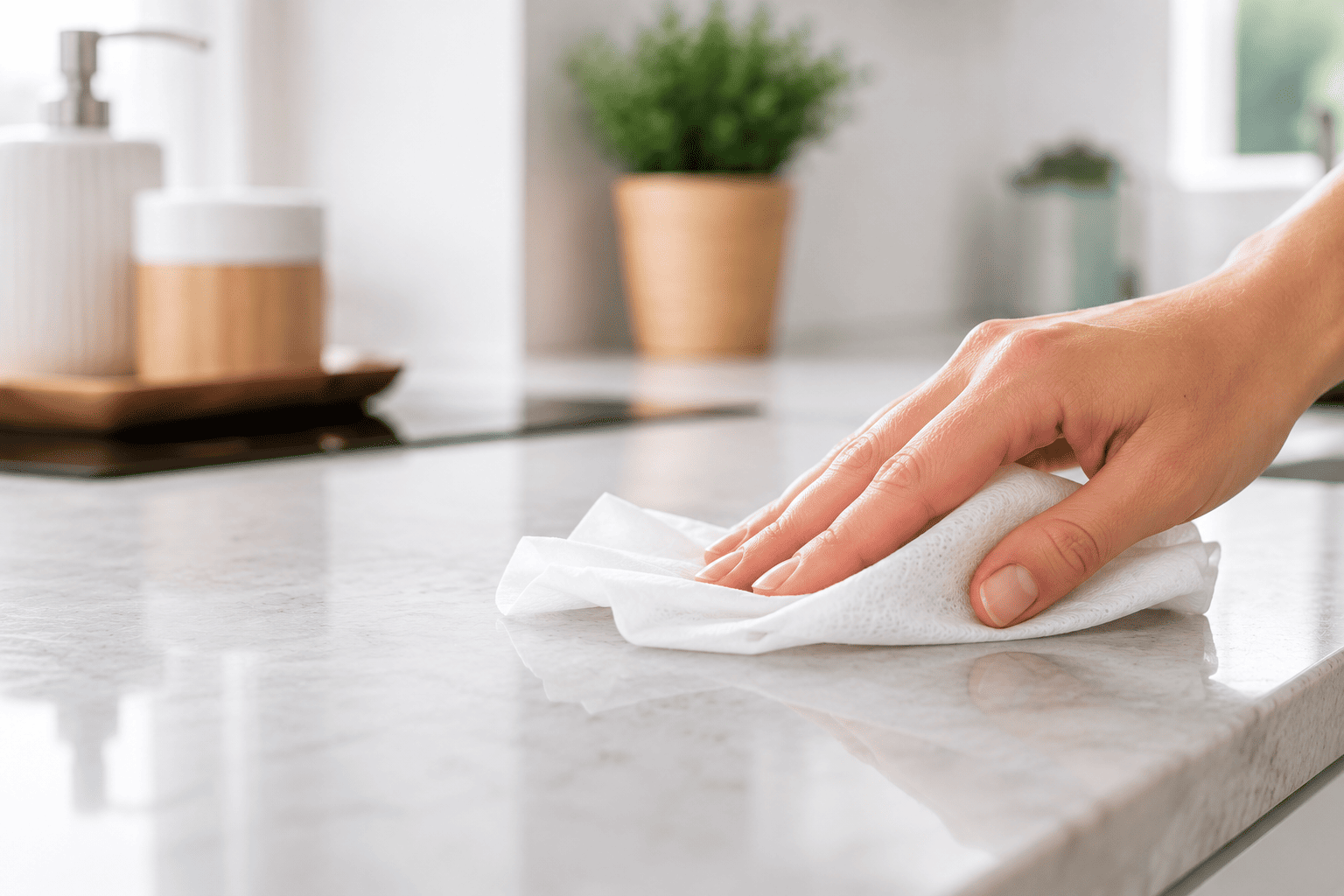
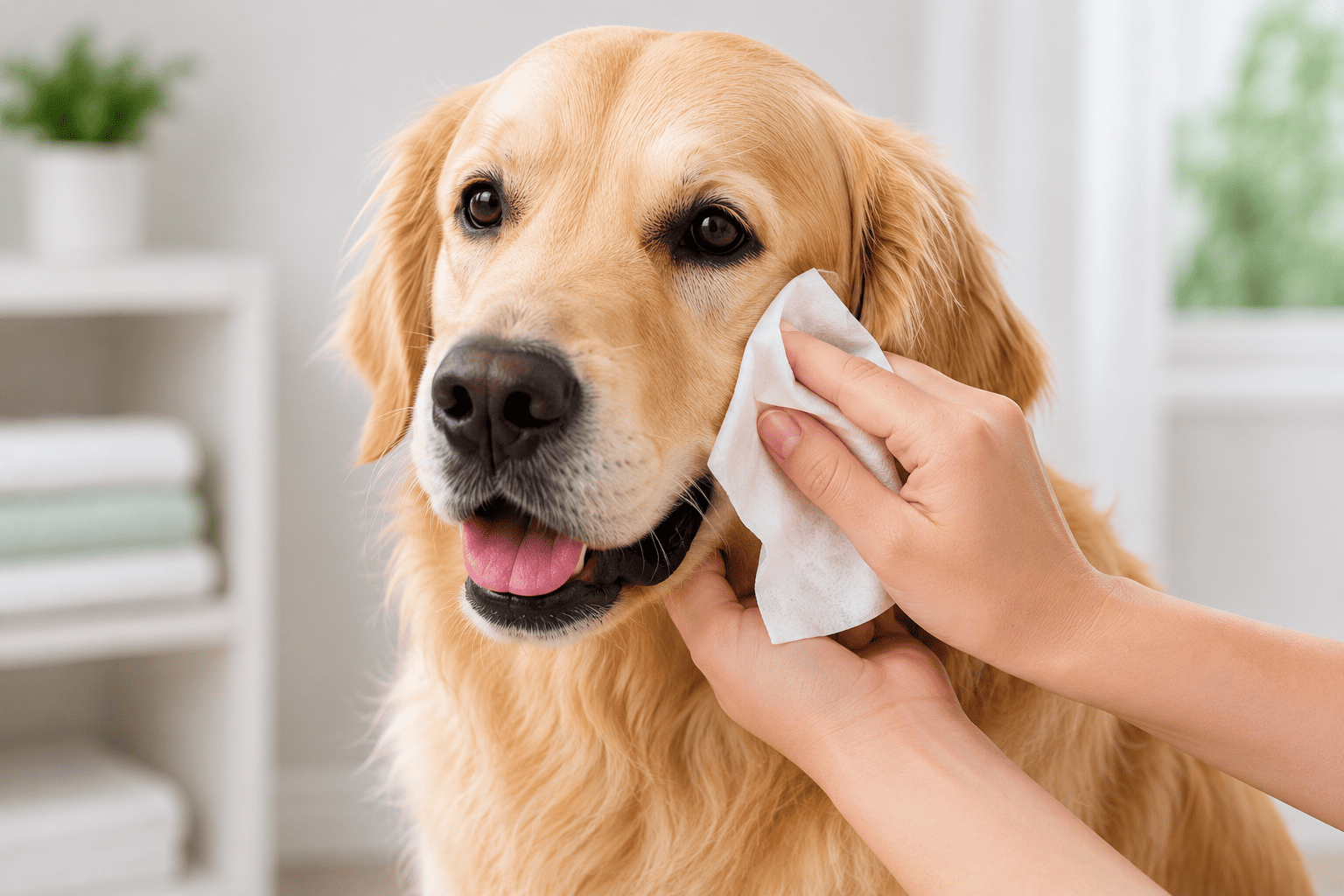
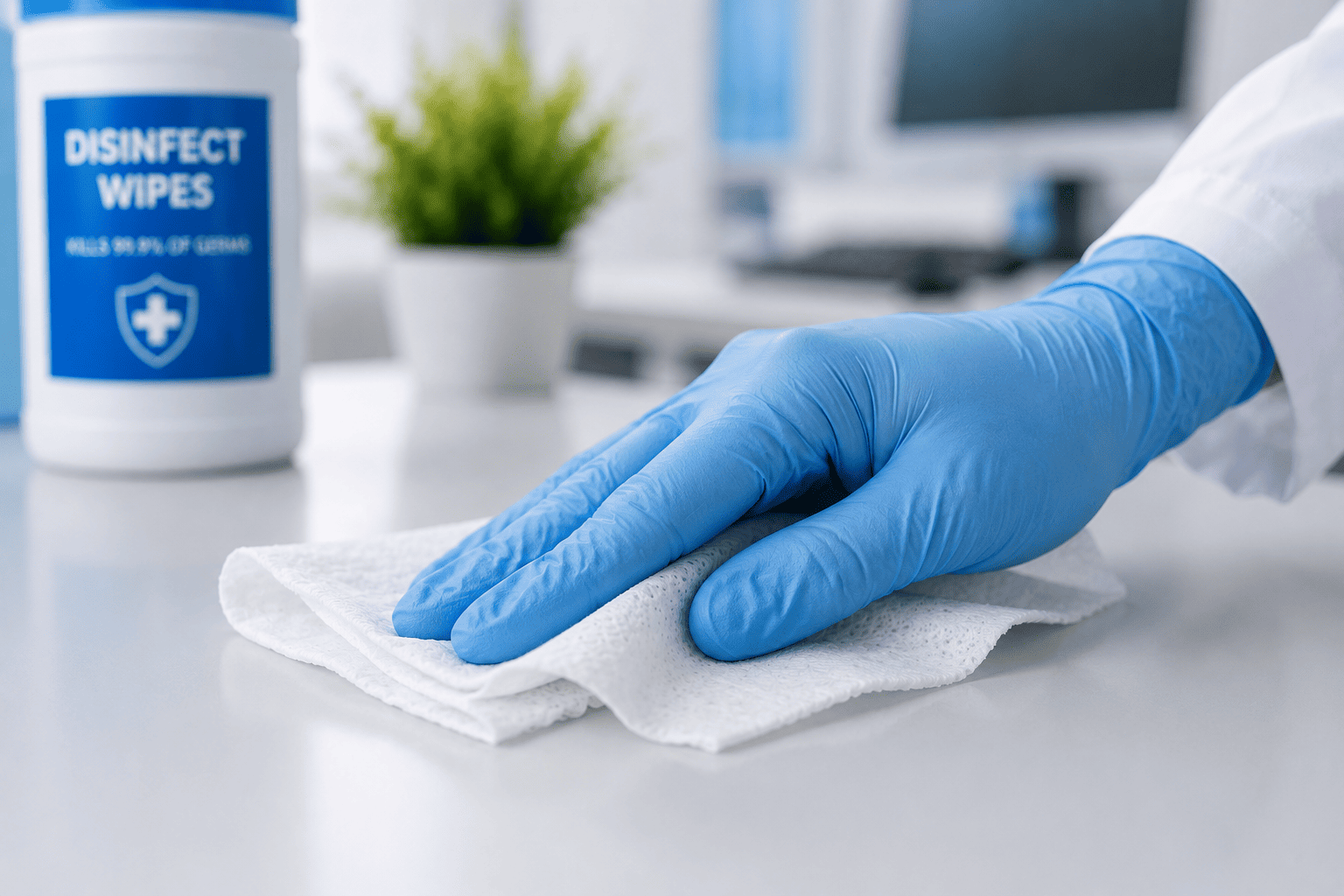
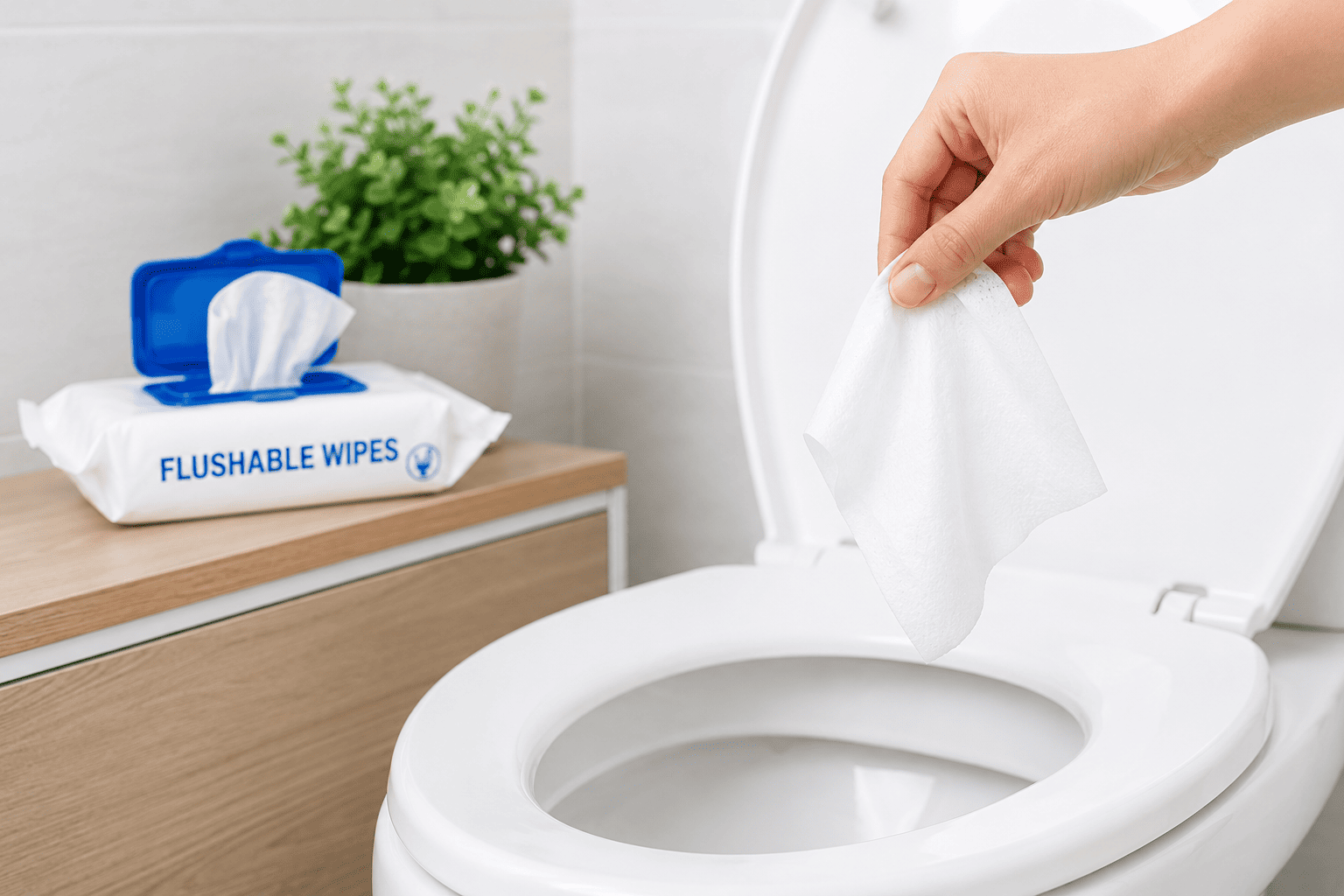
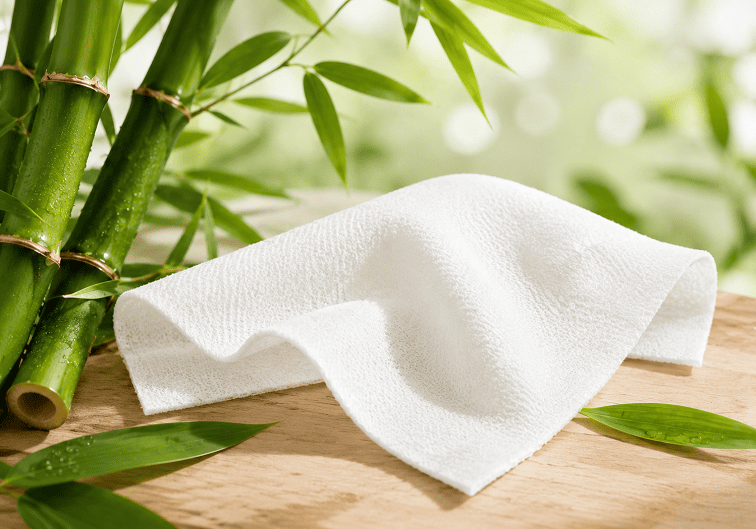
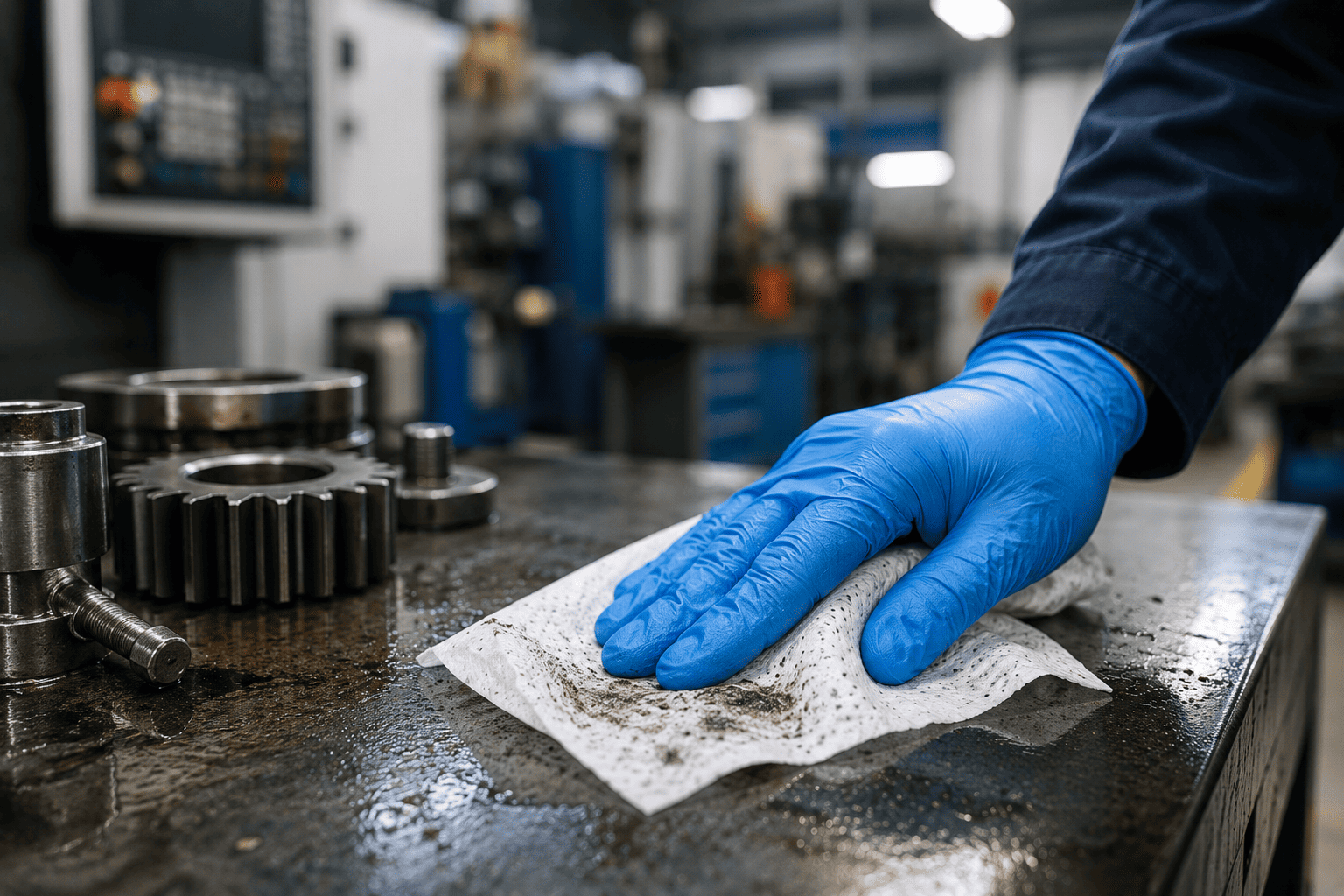



Wet wipes are convenient and widely used for baby care, personal care, pet care, household cleaning, and many other applications. However, as demand for more sustainable products continues to grow, one question is becoming increasingly important:
Are wet wipes biodegradable?
The short answer is: some wet wipes can be biodegradable, but not all wet wipes are biodegradable.
The biodegradability of a wet wipe depends on the fibers used in the nonwoven fabric, the fabric construction, additives, and the conditions under which the finished product is tested.
In this guide, we explain what makes wet wipes biodegradable, which materials are commonly used, how biodegradable wipes differ from conventional wipes, and what brands should consider when developing biodegradable wet wipes.
Are Wet Wipes Biodegradable?
Not all wet wipes are biodegradable.
Traditional wet wipes may contain synthetic fibers such as polyester or other plastic-based materials. These fibers provide excellent strength, durability, and resistance to tearing, but they do not biodegrade in the same way as cellulose-based fibers.
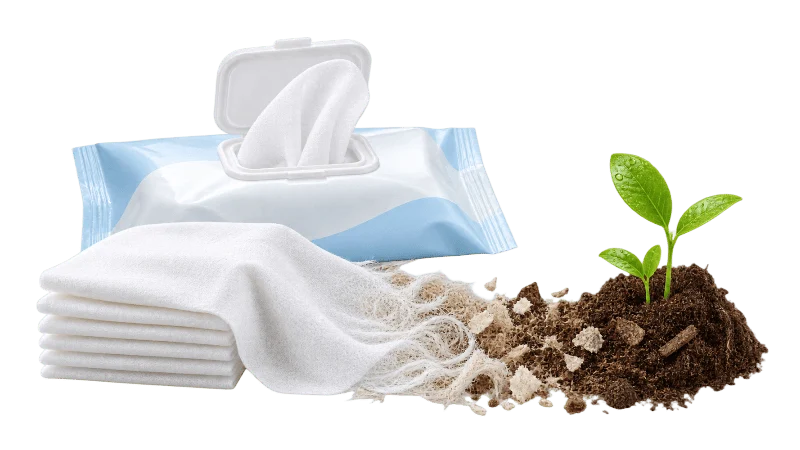
Wet wipes made primarily from cellulose-based materials can be designed to biodegrade under appropriate conditions.
Common cellulose-based materials include:
- Viscose
- Bamboo viscose
- Lyocell
- Wood pulp
- Other cellulose-based fibers
However, the presence of a biodegradable fiber does not automatically mean that the entire finished wet wipe is biodegradable.
The complete product needs to be evaluated.
What Makes a Wet Wipe Biodegradable?
Several factors can affect the biodegradability of a finished wet wipe.
Fiber Composition
The fiber composition of the nonwoven substrate is one of the most important factors.
Cellulose-based fibers are generally more suitable for developing biodegradable wet wipes than synthetic fibers such as polyester.
Fabric Construction
The way fibers are processed and bonded can also affect the behavior of the finished substrate.
Manufacturers need to consider:
- Fiber blend
- Fabric structure
- Bonding method
- Binders
- Finishing agents
- Other additives
Formulation Ingredients
The liquid formulation should also be considered when developing a biodegradable product.
Ingredients such as preservatives, surfactants, fragrances, conditioning agents, and other additives form part of the finished product and should be evaluated according to the intended environmental claim.
Finished Product
A biodegradability claim should be based on the finished wet wipe, rather than simply the raw material used to manufacture it.
This is particularly important for products containing multiple fibers or additional components.
Which Materials Are Used for Biodegradable Wet Wipes?
Several cellulose-based fibers can be considered when developing biodegradable wet wipes.
Viscose
Viscose is one of the most widely used cellulose-based fibers for wet wipes.
It offers:
- Excellent softness
- Good absorbency
- Comfortable skin feel
- Good liquid retention
Viscose can be used for:
- Baby wipes
- Facial wipes
- Makeup remover wipes
- Adult wipes
- Personal care wipes
- Pet wipes
Bamboo Viscose
Bamboo viscose is another regenerated cellulose fiber commonly used in wet wipes.
It provides a soft hand feel and good absorbency and is often selected for products positioned around plant-derived materials.
Typical applications include:
- Baby wipes
- Personal care wipes
- Premium wipes
- Eco-oriented wipes
However, “bamboo” alone should not be used as proof that a finished product is biodegradable. The actual fiber composition and finished product should be evaluated.
Lyocell
Lyocell is a regenerated cellulose fiber known for its softness and smooth hand feel.
It can be used for premium personal care wipes where softness, absorbency, and a high-quality tactile experience are important.
Wood Pulp
Wood pulp is another cellulose-based material used in certain nonwoven substrates.
It can provide good absorbency and is particularly relevant to some biodegradable and flushable wipe constructions.
However, wood pulp does not automatically make a finished wipe biodegradable or flushable. The complete product construction and applicable testing requirements must still be considered.
What Is the Difference Between Biodegradable and Conventional Wet Wipes?
The main difference is the type of materials used in the substrate and how those materials behave under suitable environmental conditions.
| Feature | Conventional Wet Wipes | Biodegradable Wet Wipes |
|---|---|---|
| Common fiber | Polyester or blended fibers | Cellulose-based fibers |
| Softness | Depends on substrate | Generally good |
| Absorbency | Depends on substrate | Generally good |
| Strength | Often high | Depends on construction |
| Biodegradability | Depends on composition | Designed with biodegradable materials |
| Sustainability positioning | Standard | More sustainability-focused |
It is important to remember that these are general comparisons. Actual performance depends on the specific fabric construction and formulation.
Are Biodegradable Wet Wipes the Same as Flushable Wipes?
No. Biodegradable and flushable are different concepts.
A biodegradable wipe is designed to break down through biological processes under specified conditions.
A flushable wipe needs to meet additional requirements related to its behavior after being flushed into wastewater and sewer systems.
Therefore, a wipe can be:
- Biodegradable but not flushable
- Designed to meet flushability requirements
- Neither biodegradable nor flushable
A product should not be marketed as flushable simply because it is made from biodegradable or cellulose-based fibers.
For flushable products, the finished wipe needs to be evaluated against applicable flushability requirements.
Are Biodegradable Wet Wipes the Same as Compostable Wet Wipes?
No.
Biodegradable and compostable are different environmental claims.
Biodegradability refers to the ability of a material to be broken down by microorganisms under defined conditions.
Compostability generally involves additional requirements concerning the composting process and the resulting material.
Therefore, a wet wipe should not automatically be described as compostable simply because it contains cellulose or plant-derived fibers.
Brands should verify the applicable requirements before making compostability claims.
How Long Does It Take for Wet Wipes to Biodegrade?
There is no universal biodegradation time for wet wipes.
The rate of biodegradation depends on factors such as:
- Fiber composition
- Fabric construction
- Temperature
- Moisture
- Oxygen availability
- Microbial activity
- Testing conditions
A cellulose-based wet wipe may biodegrade more readily than a synthetic-fiber wipe, but the actual degradation rate depends on the environment and testing method.
For this reason, claims such as “biodegrades within 30 days” should only be made when supported by appropriate testing under defined conditions.
How Are Biodegradable Wet Wipes Tested?
Biodegradability claims should be supported by appropriate testing.
Depending on the product and target market, testing may evaluate:
- Aerobic biodegradation
- Anaerobic biodegradation
- Disintegration
- Compostability
- Finished-product degradation
One important consideration is that testing the raw fiber is not necessarily the same as testing the finished wet wipe.
The finished product may contain:
- Multiple fiber types
- Binders
- Additives
- Preservatives
- Fragrance
- Other formulation ingredients
Therefore, brands should determine the appropriate testing method for the finished product and intended environmental claim.
Does 100% Viscose Mean a Wet Wipe Is Biodegradable?
Not necessarily.
100% viscose is a cellulose-based substrate and can be a suitable material for developing biodegradable wet wipes.
However, the finished product may contain other components that need to be considered.
These may include:
- Fabric finishing agents
- Binders
- Liquid formulation
- Packaging
- Other product components
Therefore, 100% viscose is a material specification, not by itself proof of a finished-product biodegradability claim.
Appropriate testing should support any specific biodegradability claim.
Are Bamboo Wet Wipes Biodegradable?
Bamboo-derived cellulose fibers can be used to develop biodegradable wet wipe substrates.
However, the word “bamboo” alone does not establish that the finished wet wipe is biodegradable.
Brands should confirm:
- Actual fiber composition
- Nonwoven fabric construction
- Additional materials
- Finished-product testing
- Applicable market requirements
This is especially important when environmental claims appear on packaging or marketing materials.
What Are the Benefits of Biodegradable Wet Wipes?
Biodegradable wet wipes can provide several potential advantages for brands developing more sustainable product ranges.
Reduced Use of Synthetic Fibers
Cellulose-based substrates can reduce reliance on synthetic fibers such as polyester.
Sustainable Product Positioning
Biodegradable materials can support brands developing environmentally conscious product lines.
Suitable for Multiple Applications
Cellulose-based substrates can be developed for:
- Baby wipes
- Personal care wipes
- Makeup remover wipes
- Adult wipes
- Pet wipes
- Household wipes
More Flexible Material Options
Manufacturers can combine different cellulose-based fibers to balance softness, absorbency, strength, and cost.
However, sustainability claims should always be based on the actual characteristics and testing of the finished product.
What Should You Consider When Developing Biodegradable Wet Wipes?
Developing a biodegradable wet wipe requires more than simply replacing polyester with viscose.
Brands should consider the complete product.
Nonwoven Fabric
Choose an appropriate cellulose-based substrate according to the required softness, strength, absorbency, and application.
Formulation
Evaluate preservatives, surfactants, fragrance, pH, and other ingredients as part of the overall product system.
Packaging
Consider recyclable or mono-material packaging options where appropriate.
Product Performance
The wipe still needs to perform effectively during actual use.
Important characteristics include:
- Wet strength
- Absorbency
- Liquid release
- Softness
- Cleaning performance
- Shelf stability
Testing
Environmental claims should be supported by appropriate testing and documentation.
How to Choose a Biodegradable Wet Wipes Manufacturer
For brands developing biodegradable wet wipes, choosing the right manufacturing partner is important.
An experienced manufacturer should be able to support both nonwoven material selection and finished wet wipes development.
Key capabilities may include:
- Cellulose-based nonwoven fabrics
- Viscose and bamboo viscose options
- Customized formulations
- Fabric and formula compatibility testing
- Packaging development
- Stability testing
- Microbiological testing
- Environmental testing support
- OEM and private label production
Ideally, these elements should be developed together rather than separately.
The complete product can then be optimized around:
Nonwoven Fabric + Formulation + Packaging + Performance + Sustainability
How Can QIMEI Help Develop Biodegradable Wet Wipes?
QIMEI provides OEM and private label wet wipes development for brands looking to create customized products with different sustainability requirements.
Our product development capabilities include:
- Cellulose-based nonwoven materials
- Viscose and bamboo viscose substrates
- Customized wet wipes formulations
- Different wipe sizes and GSM options
- Sustainable packaging solutions
- Product testing support
- OEM and private label manufacturing
Depending on the target market and product requirements, we can help evaluate suitable materials and develop a wet wipe that balances performance, sustainability, and cost.
Final Thoughts
So, are wet wipes biodegradable?
Some wet wipes can be designed to be biodegradable, but not all wet wipes are biodegradable.
Cellulose-based materials such as viscose, bamboo viscose, lyocell, and wood pulp can be used to develop biodegradable wet wipes.
However, the fiber alone does not automatically establish a biodegradability claim. The fabric construction, formulation, additives, and finished product should all be considered.
It is also important to distinguish biodegradable, flushable, and compostable. These terms describe different product characteristics and should not be used interchangeably.
For brands developing biodegradable wet wipes, the best approach is to start with the intended product claim and target market, then select the appropriate nonwoven material, formulation, packaging, and testing strategy.
Looking for a biodegradable wet wipes manufacturer for your next private label project? Contact QIMEI to discuss your requirements.