 Meet Qimei at PLMA Chicago 2026 · November 15–17, 2026 · Booth #H3029
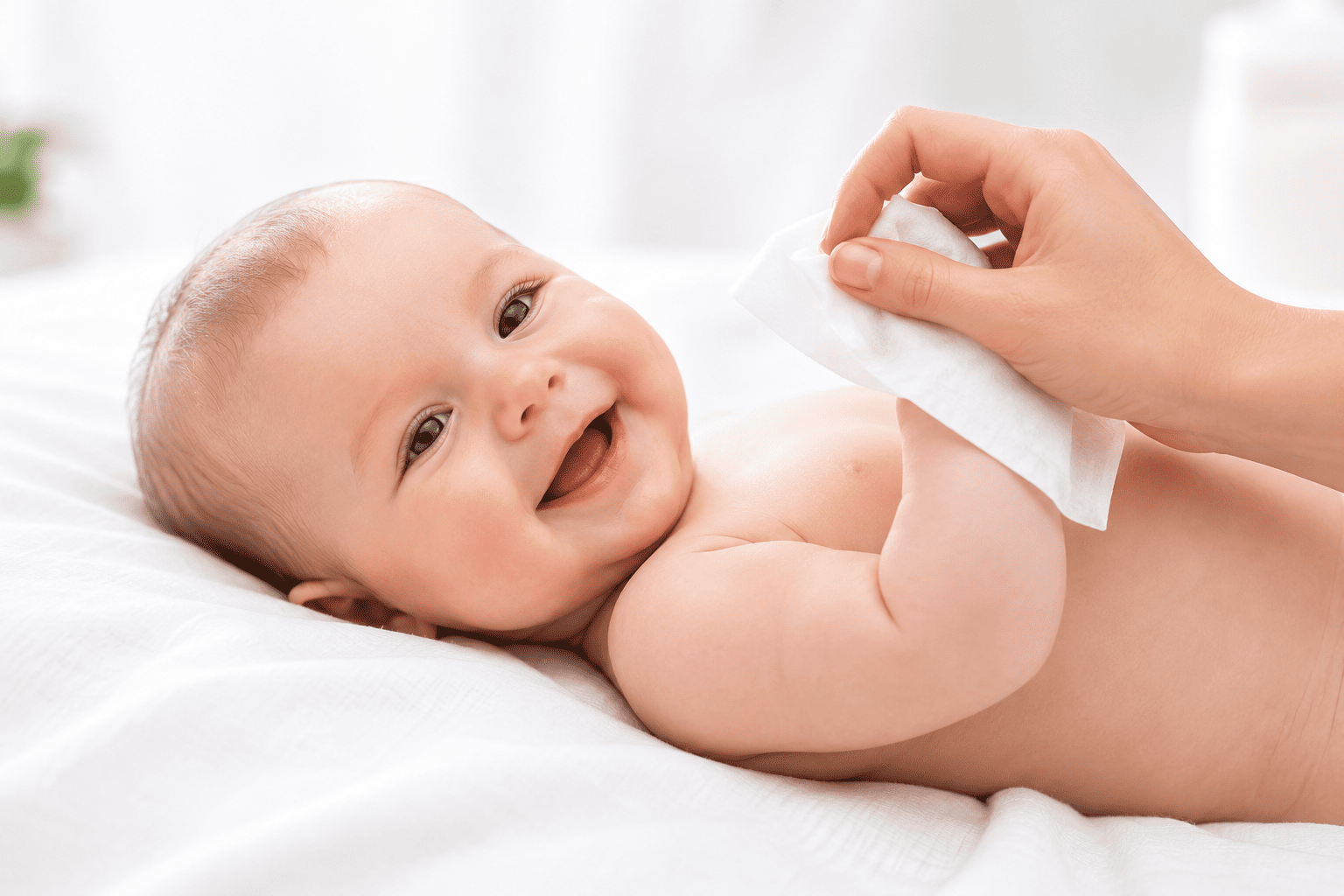
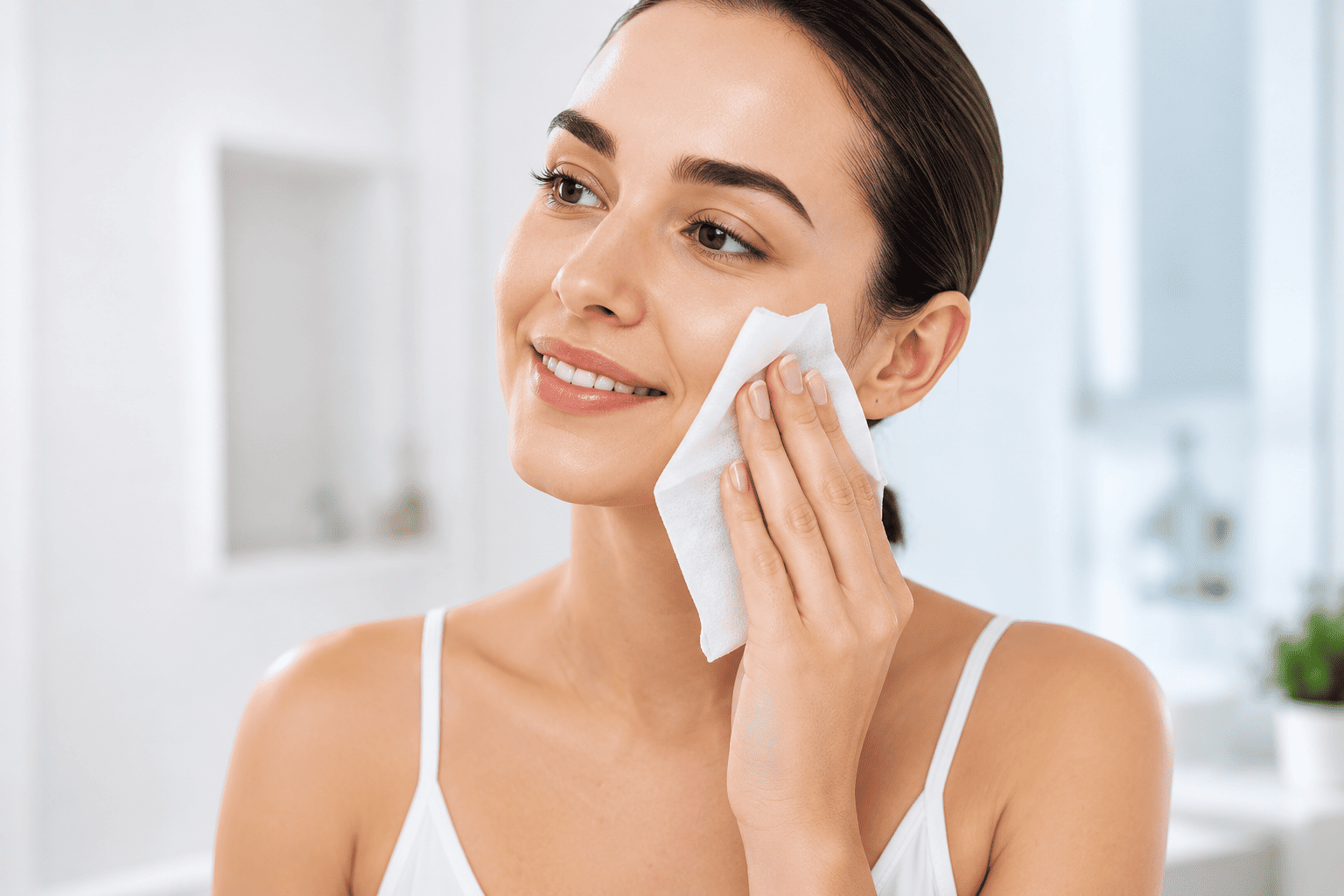
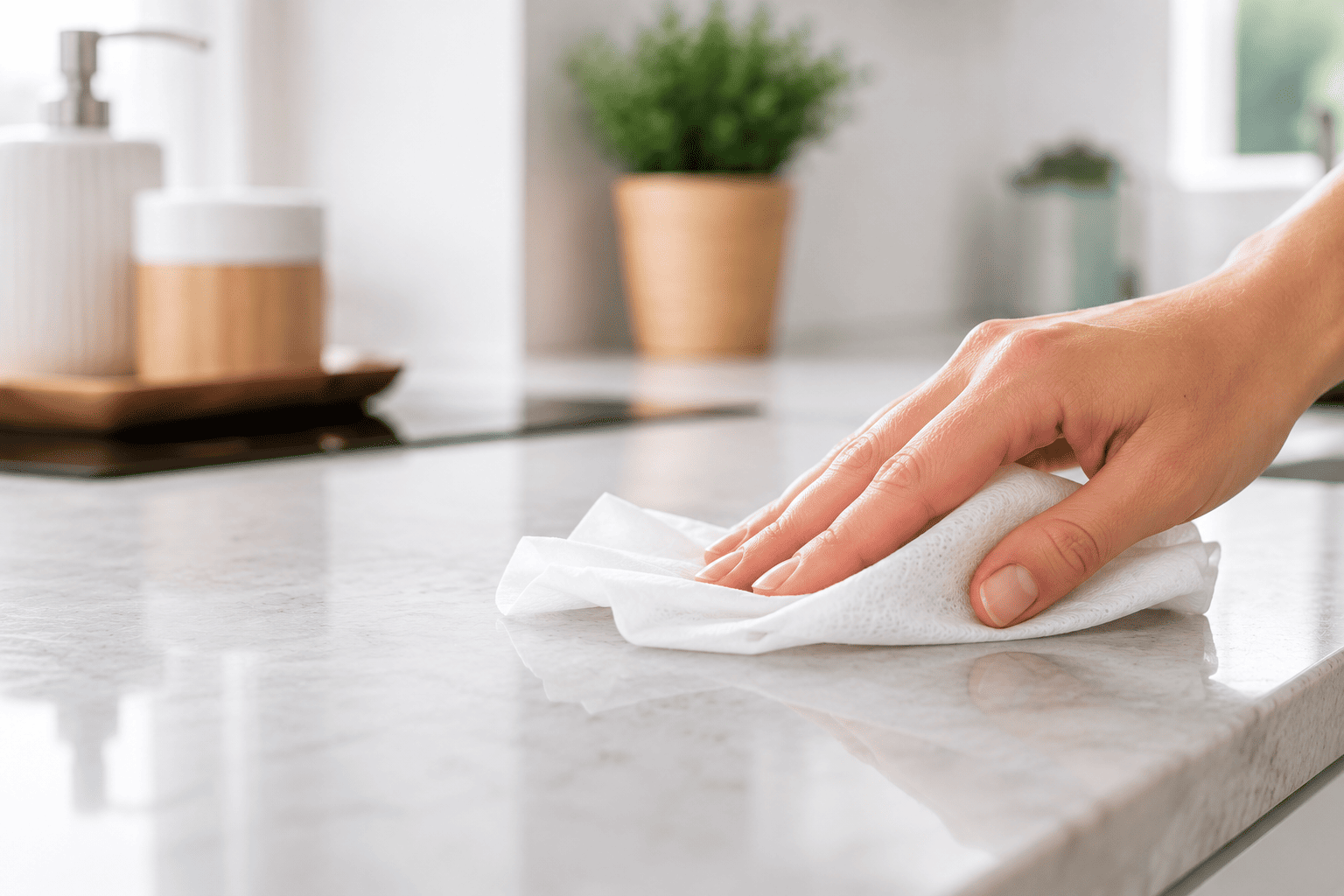
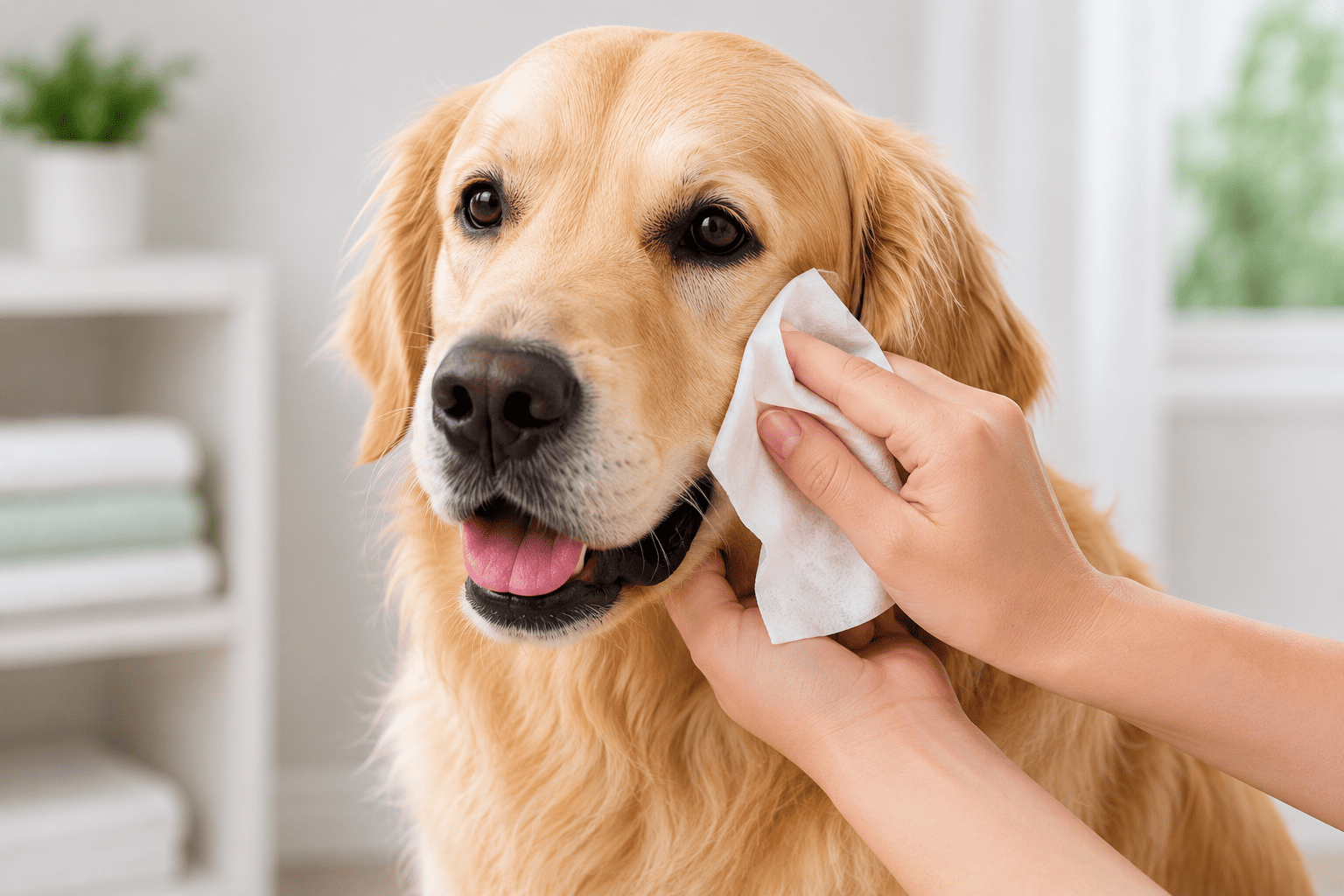
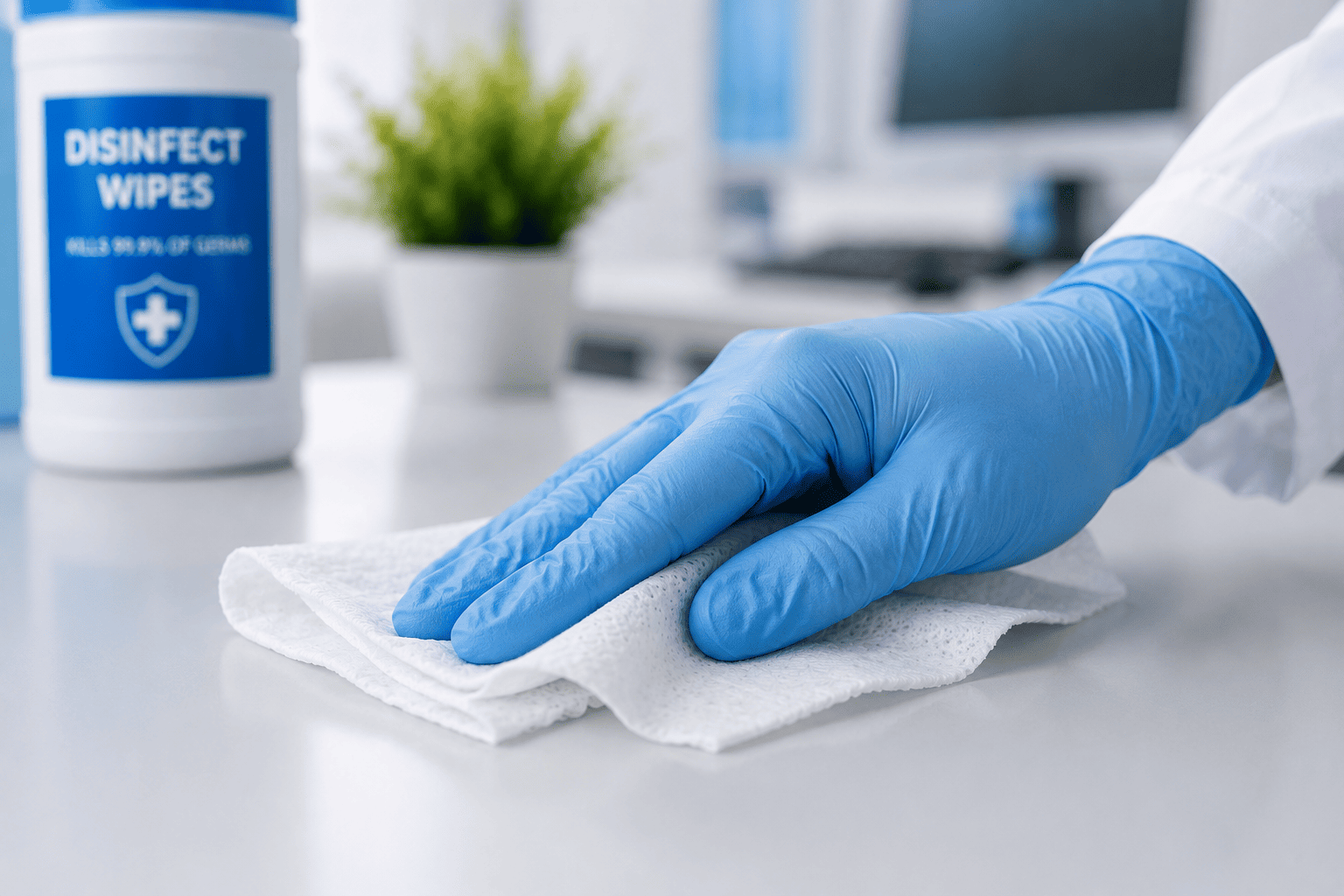
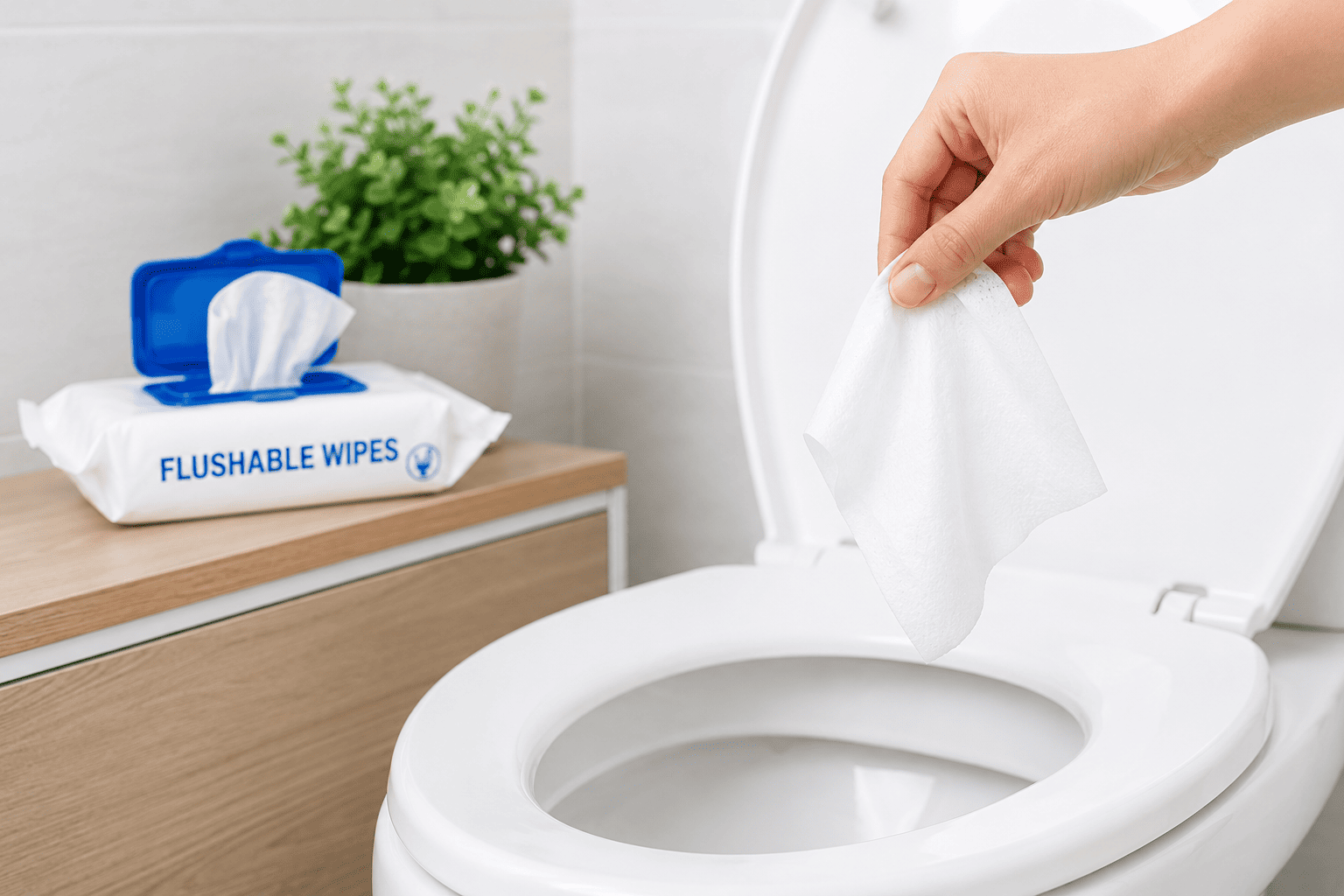
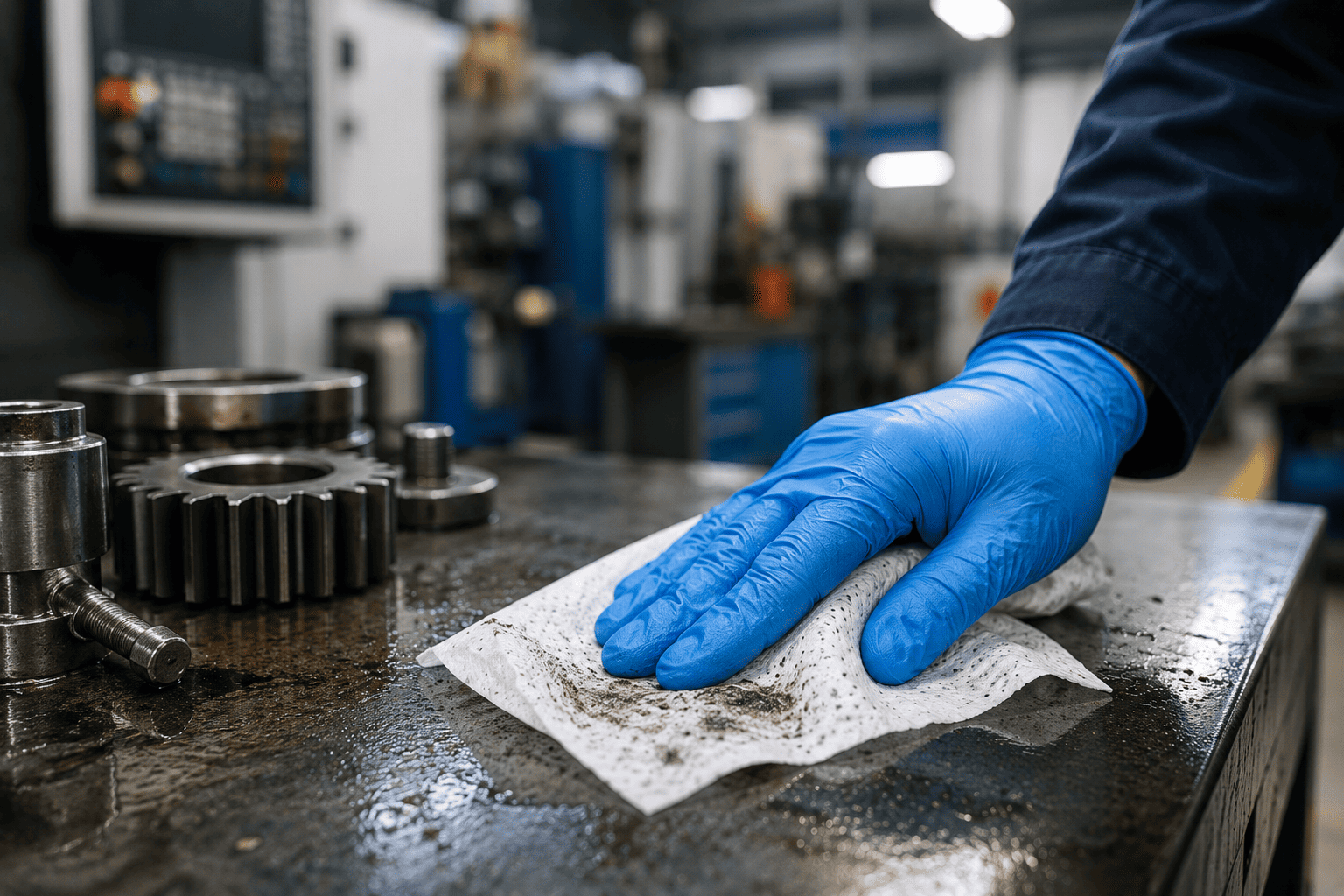
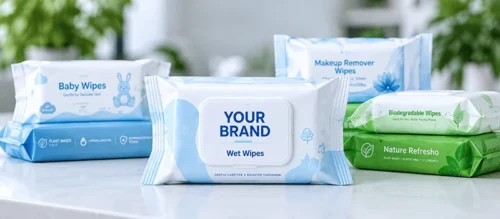


Wet wipes are sold in many different markets and can fall under very different regulatory requirements depending on their intended use and product claims.
A baby wipe, makeup remover wipe, disinfecting wipe, pet wipe, cosmetic cleansing wipe, and household cleaning wipe may not follow the same regulatory pathway.
For brands developing private label wet wipes, understanding the regulatory requirements before product development can help avoid costly reformulation, relabeling, or compliance issues later.
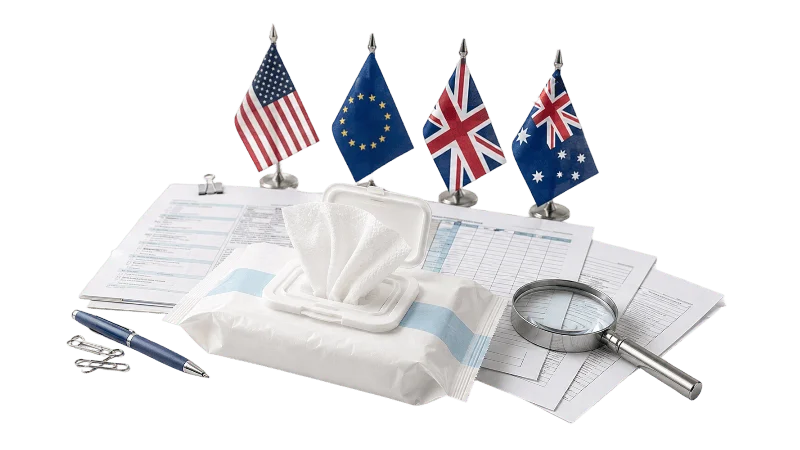
The United States, European Union, United Kingdom, and Australia all have their own regulatory frameworks for products such as wet wipes.
In this guide, we explain the key regulatory considerations for wet wipes in the US, EU, UK, and Australia, including product classification, ingredients, labeling, testing, documentation, and antimicrobial claims.
Why Do Wet Wipes Have Different Regulatory Requirements?
There is no single global regulation that applies to every type of wet wipe.
The regulatory status of a wipe depends mainly on:
- Intended use
- Product claims
- Ingredients
- Active substances
- Contact with the human body
- Intended users
- Application area
- Target market
For example, a wipe marketed simply for cleansing the skin may be regulated differently from a wipe claiming to kill bacteria or viruses.
This means that regulatory compliance should be considered before the formulation and packaging are finalized.
How Are Wet Wipes Classified?
The first step in determining regulatory requirements is to understand what the product is intended to do.
Common wet wipe categories include:
Personal Care Wipes
Examples include:
- Baby wipes
- Facial wipes
- Makeup remover wipes
- Adult body wipes
- Intimate wipes
- Deodorizing wipes
Depending on the claims and market, these products may fall under cosmetic or general consumer product requirements.
Cleaning Wipes
Examples include:
- Kitchen cleaning wipes
- Floor wipes
- Glass wipes
- Car cleaning wipes
- General-purpose cleaning wipes
These products are generally regulated according to their intended cleaning use and the market in which they are sold.
Disinfecting Wipes
Disinfecting wipes are more complex because they make antimicrobial claims.
Claims such as:
- Kills bacteria
- Kills viruses
- Disinfects surfaces
- Antibacterial
- Virucidal
can trigger additional regulatory requirements.
Specialty Wipes
Other products may include:
- Pet wipes
- Lens wipes
- Flushable wipes
- Medical or healthcare-related wipes
The regulatory pathway needs to be determined according to the specific product and claims.
Wet Wipes Regulations in the United States
In the United States, there is no single regulation that covers every type of wet wipe.
The applicable requirements depend heavily on the product’s intended use and claims.
Several regulatory frameworks may be relevant, including the U.S. Food and Drug Administration (FDA) and the U.S. Environmental Protection Agency (EPA).
Cosmetic and Personal Care Wet Wipes
Some personal care wipes may fall under the US cosmetics regulatory framework depending on their intended use and claims.
Examples can include certain:
- Facial wipes
- Makeup remover wipes
- Baby cleansing wipes
- Body wipes
The product should be evaluated based on its ingredients, intended use, labeling, and claims.
Cosmetic products must comply with applicable requirements concerning safety, labeling, and other regulatory obligations.
The Modernization of Cosmetics Regulation Act (MoCRA) has also introduced additional requirements for cosmetic products in the United States.
Brands should determine whether their specific product falls within the scope of these requirements.
Disinfecting Wet Wipes in the US
Disinfecting wipes are different from ordinary cleansing wipes.
If a product makes claims to kill or control microorganisms on surfaces, it may be regulated as an antimicrobial pesticide under the jurisdiction of the EPA.
This can involve requirements related to:
- Active ingredients
- Product registration
- Efficacy testing
- Label claims
- Directions for use
- Contact time
- Manufacturing requirements
Therefore, a disinfecting wipe should not be treated as an ordinary cosmetic wipe simply because it is sold in a wet wipe format.
FDA vs EPA for Wet Wipes
One of the most common mistakes is assuming that every wet wipe needs FDA registration.
This is not correct.
The appropriate regulatory authority depends on the product.
In simplified terms:
Cosmetic/personal care use → FDA may be relevant
Surface disinfecting/antimicrobial claims → EPA may be relevant
The exact classification depends on the intended use and claims.
Wet Wipes Regulations in the European Union
The European Union has a comprehensive regulatory framework covering cosmetics, chemicals, biocidal products, product safety, and other product categories.
For wet wipes, the applicable legislation depends on the intended use.
Cosmetic Wet Wipes in the EU
Wet wipes intended for cosmetic purposes may fall under the EU Cosmetics Regulation (EC) No 1223/2009.
Examples can include:
- Baby cleansing wipes
- Facial cleansing wipes
- Makeup remover wipes
- Body wipes
- Certain intimate cleansing wipes
Cosmetic products placed on the EU market generally require appropriate compliance measures, including:
- Responsible Person
- Product Information File (PIF)
- Cosmetic Product Safety Report (CPSR)
- Ingredient compliance
- Appropriate labeling
- CPNP notification
- Good Manufacturing Practice
The product formulation must also comply with the applicable ingredient restrictions and prohibitions.
Product Information File
The Product Information File, commonly called a PIF, is an important part of EU cosmetic compliance.
Depending on the product, the PIF can include information such as:
- Product description
- Cosmetic Product Safety Report
- Manufacturing method
- GMP information
- Evidence supporting product claims
- Ingredient information
The PIF should be maintained and made available as required by the regulation.
CPNP Notification
Cosmetic products placed on the EU market generally need to be notified through the Cosmetic Products Notification Portal (CPNP) before being placed on the market.
The notification provides product information to the relevant authorities.
Disinfecting Wet Wipes in the EU
Disinfecting wipes can fall under the EU Biocidal Products Regulation (BPR), Regulation (EU) No 528/2012, depending on their intended use and claims.
This is particularly important for wipes claiming antimicrobial activity.
The regulatory process may involve:
- Active substance approval
- Product authorization
- Efficacy data
- Label requirements
- Directions for use
- Appropriate product claims
The exact requirements depend on the product type and intended application.
Wet Wipes Regulations in the United Kingdom
Following Brexit, products placed on the Great Britain market need to be considered under the applicable UK regulatory framework.
The regulatory requirements depend on whether the product is cosmetic, biocidal, a general consumer product, or another regulated category.
Cosmetic Wet Wipes in the UK
Cosmetic wet wipes sold in Great Britain generally need to comply with the UK’s cosmetic product requirements.
Key considerations can include:
- UK Responsible Person
- Product Information File
- Cosmetic Product Safety Report
- Ingredient compliance
- Product labeling
- Safety assessment
- Notification requirements
The specific requirements should be confirmed based on the product and the part of the UK where it will be marketed.
Northern Ireland
Northern Ireland can have different regulatory considerations from Great Britain because EU rules can continue to apply to certain products under the Northern Ireland arrangements.
Therefore, brands selling wet wipes across the entire UK should distinguish between:
- Great Britain
- Northern Ireland
This is especially important for cosmetics and other regulated products.
Biocidal Wet Wipes in the UK
Disinfecting and antimicrobial wipes may fall under UK biocidal product legislation depending on their claims and intended use.
Products making claims such as:
- Disinfects
- Kills bacteria
- Kills viruses
- Antimicrobial
may require additional regulatory assessment.
Wet Wipes Regulations in Australia
Australia has its own regulatory system, and wet wipe requirements depend on the intended use and product claims.
Several authorities can be relevant, including the Therapeutic Goods Administration (TGA) and the Australian Competition and Consumer Commission (ACCC).
Cosmetic and Personal Care Wipes
Some ordinary cosmetic or personal care wet wipes may not be regulated as therapeutic goods.
However, the regulatory status can change depending on the product claims.
For example, claims relating to therapeutic effects, treatment, prevention, or certain medical uses can change how a product is regulated.
Therefore, the wording used on:
- Packaging
- Website
- Product specification
- Advertising
- Marketing materials
can be important.
Therapeutic Goods
If a wet wipe makes therapeutic claims or is intended for a therapeutic purpose, it may fall under Australia’s therapeutic goods framework.
In such cases, TGA requirements may become relevant.
The exact regulatory pathway depends on the product’s intended purpose and claims.
Disinfecting and Antimicrobial Wipes
Products making disinfectant or antimicrobial claims require additional consideration in Australia.
The appropriate regulatory requirements depend on the product’s intended use, active ingredients, and claims.
Brands should determine the classification before finalizing the formulation and artwork.
FDA vs EU vs UK vs Australia: Key Differences
The regulatory systems are not identical.
| Market | Main Regulatory Consideration | Important Point |
|---|---|---|
| United States | FDA / EPA | Depends strongly on product claims and intended use |
| European Union | Cosmetics / BPR / General Product Requirements | Cosmetic and biocidal products follow different pathways |
| United Kingdom | UK Cosmetics / UK Biocidal Framework | Great Britain and Northern Ireland can have different requirements |
| Australia | TGA / General Consumer Requirements | Therapeutic claims can change product classification |
The same wet wipe can therefore have different compliance requirements in different markets.
Why Product Claims Matter
Product claims are one of the most important regulatory considerations for wet wipes.
Compare these two statements:
“Gently cleanses the skin.”
and
“Kills 99.9% of bacteria.”
They may describe products that look almost identical physically, but the regulatory implications can be very different.
Other claims that can affect regulatory classification include:
- Antibacterial
- Antimicrobial
- Disinfecting
- Virucidal
- Kills viruses
- Prevents infection
- Treats
- Heals
- Medical
- Sanitizes
Brands should review claims before printing packaging or launching marketing campaigns.
What Testing Is Required for Wet Wipes?
Testing requirements depend on the product category and claims.
Possible testing may include:
Microbiological Testing
Used to evaluate the microbiological quality and safety of the product.
Preservative Efficacy Testing
Important for many water-based personal care formulations where preservation is required.
Stability Testing
Can evaluate:
- Appearance
- Odor
- pH
- Packaging integrity
- Microbiological stability
- Formula stability
Skin Compatibility Testing
For products designed for skin contact, appropriate safety and compatibility testing may be considered.
Antimicrobial Efficacy Testing
For disinfecting or antimicrobial products, efficacy testing may be required to support specific claims.
Depending on the target market and product type, relevant standards can include tests such as:
- EN 13727
- EN 14476
- EN 16615
- EN 16777
The appropriate test should be selected according to the intended claim and regulatory pathway rather than simply testing every available standard.
What Documents Are Needed for Wet Wipes Compliance?
For OEM and private label wet wipes, customers may request different compliance documents.
Common documentation can include:
- Product Specification
- Ingredient List
- INCI List
- SDS
- TDS
- COA
- Microbiological Test Report
- Stability Test Report
- Preservative Efficacy Test
- Safety Assessment
- Product Information File
- Certificate of Analysis
- Declaration of Conformity
- Free Sale Certificate
- Packaging Compliance Documents
Not every document is required for every product.
The documentation package should be prepared according to the product category and target market.
What Should a Wet Wipes Manufacturer Provide?
A professional wet wipes manufacturer should be able to support customers throughout the product development and compliance process.
Important capabilities include:
Formula Development
Customized formulations based on:
- Product application
- Target market
- Skin feel
- Performance
- Regulatory requirements
Nonwoven Material Selection
Suitable materials can include:
- Viscose
- Bamboo viscose
- Lyocell
- Polyester
- Wood pulp
- Blended nonwovens
Testing Support
A manufacturer should be able to coordinate appropriate testing based on the product and market requirements.
Regulatory Documentation
Depending on the product, manufacturers can support documents such as:
- Ingredient documentation
- Specifications
- COA
- SDS
- Test reports
- Product information
- Compliance declarations
Packaging Development
Packaging should be developed together with the product because packaging materials, labeling, and claims are also part of the compliance process.
Common Wet Wipes Compliance Mistakes
Assuming One Certificate Covers Every Market
A certificate or test report from one country does not automatically mean the product complies with another market.
Each market should be evaluated separately.
Assuming FDA Registration Means FDA Approval
FDA registration or facility registration should not automatically be described as FDA approval of a specific wet wipe product.
The regulatory status depends on the product category.
Using Disinfecting Claims Without Checking Regulations
Claims such as “kills bacteria” or “kills viruses” can significantly change the regulatory requirements.
Finalizing Artwork Too Early
Packaging claims should be reviewed before artwork is finalized.
Changing a claim after printing can result in unnecessary packaging costs.
Treating All Wet Wipes as Cosmetics
Baby wipes, cleaning wipes, disinfecting wipes, and specialty wipes can follow very different regulatory pathways.
The product’s intended use should be determined first.
How to Prepare Wet Wipes for Multiple Markets
If you plan to sell the same wet wipe in the US, EU, UK, and Australia, regulatory planning should begin at the product development stage.
A practical approach is:
Step 1: Define the Intended Use
Clearly determine what the wipe is designed to do.
Step 2: Review Product Claims
Identify all claims planned for:
- Packaging
- Website
- Product listings
- Advertising
Step 3: Select the Formula
Choose ingredients that are suitable for the target markets.
Step 4: Select the Nonwoven Substrate
Confirm that the substrate meets the desired performance and sustainability requirements.
Step 5: Conduct Appropriate Testing
Testing should support the intended product claims and target markets.
Step 6: Prepare Documentation
Build the appropriate technical and compliance documentation.
Step 7: Review Final Artwork
Check ingredients, claims, warnings, directions, responsible party information, and other required labeling before production.
How QIMEI Supports Global Wet Wipes Development
QIMEI supports OEM and private label wet wipes development for international markets.
Our product development capabilities include:
- Customized wet wipes formulations
- Nonwoven substrate selection
- Baby wipes
- Personal care wipes
- Makeup remover wipes
- Adult wipes
- Pet wipes
- Cleaning wipes
- Disinfecting wipes
- Biodegradable wipes
- Flushable wipes
- Customized packaging
- Product testing coordination
- Technical documentation
We work with customers to evaluate the product requirements before mass production so that the formula, substrate, packaging, claims, and testing strategy are aligned with the target market.
Final Thoughts
Wet wipes regulations are not the same everywhere.
The regulatory requirements depend on the product type, intended use, ingredients, active substances, and marketing claims.
In the United States, FDA and EPA requirements may apply depending on whether the product is a cosmetic, personal care product, or antimicrobial product.
In the European Union, cosmetic wet wipes may fall under the EU Cosmetics Regulation, while disinfecting products may be subject to the Biocidal Products Regulation.
In the United Kingdom, separate UK regulatory requirements apply, with additional considerations for Northern Ireland.
In Australia, products may fall under different regulatory frameworks depending on whether they are ordinary consumer products, cosmetics, disinfectants, or therapeutic goods.
The most important lesson is simple:
Regulatory compliance should be considered before formulation, testing, packaging, and marketing claims are finalized.
For brands developing private label wet wipes, working with an experienced OEM manufacturer can make the process more efficient and reduce the risk of compliance problems during product development.
Looking for an experienced wet wipes manufacturer for the US, EU, UK, or Australian market? Contact QIMEI to discuss your product requirements.