 Meet Qimei at PLMA Chicago 2026 · November 15–17, 2026 · Booth #H3029
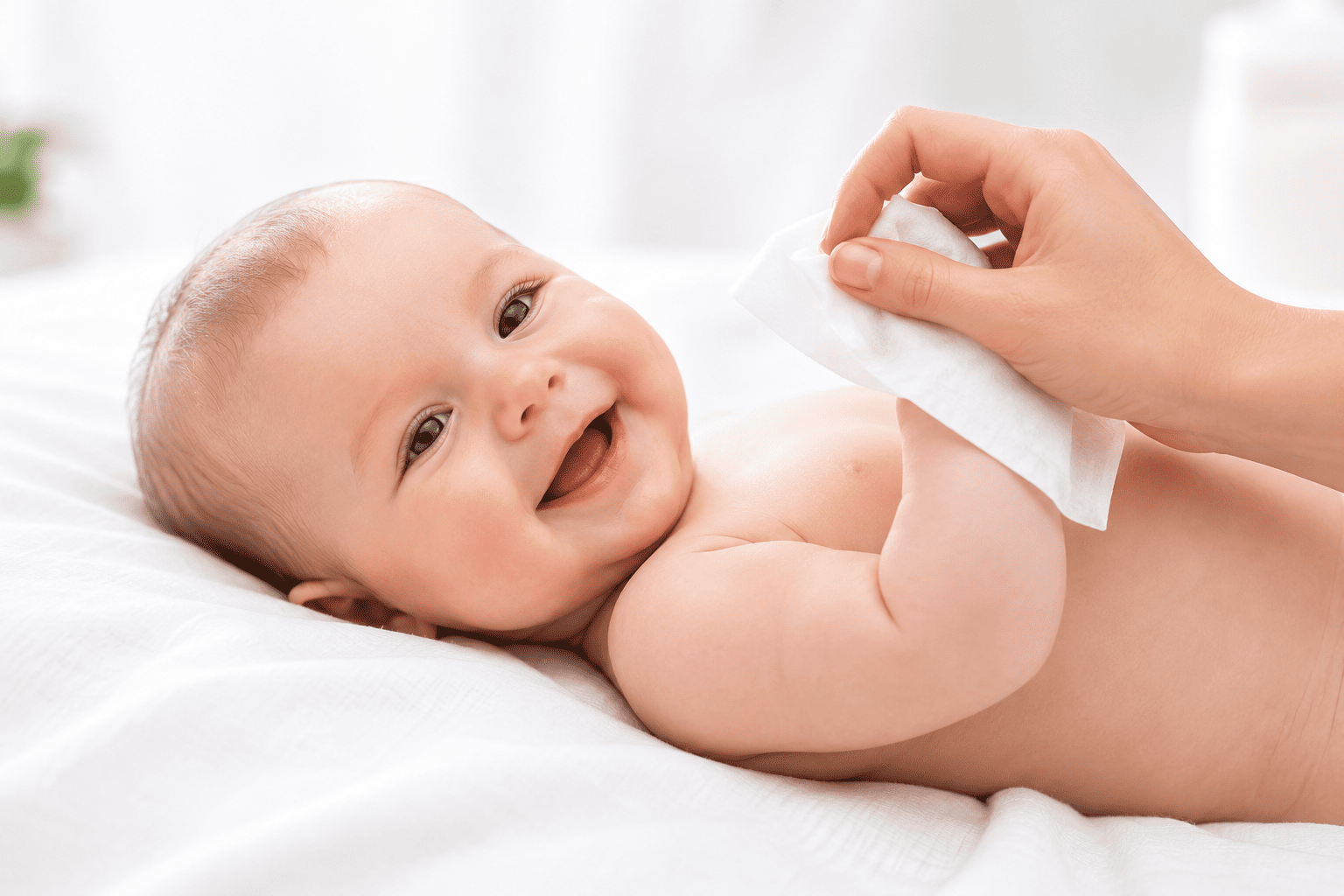
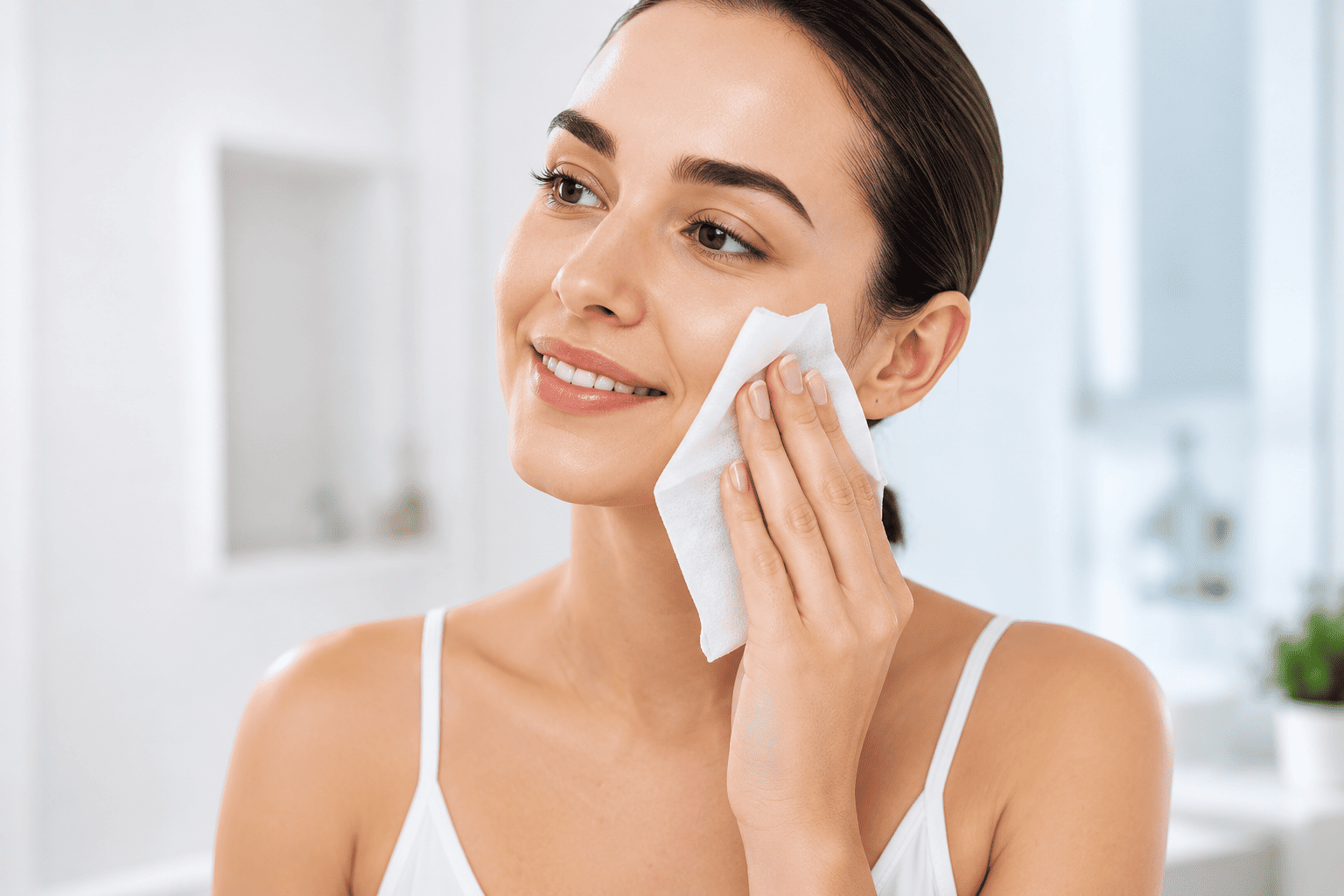
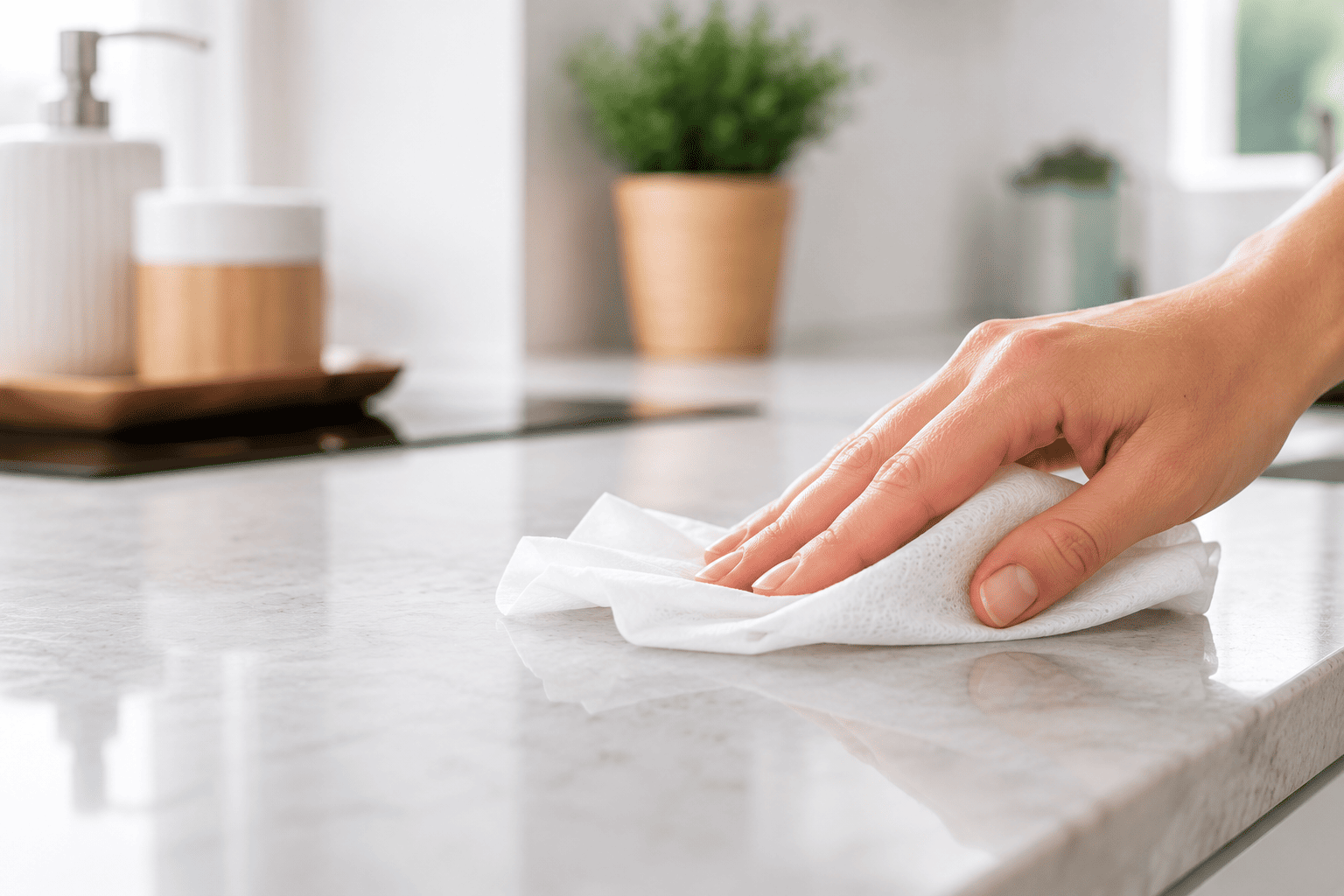
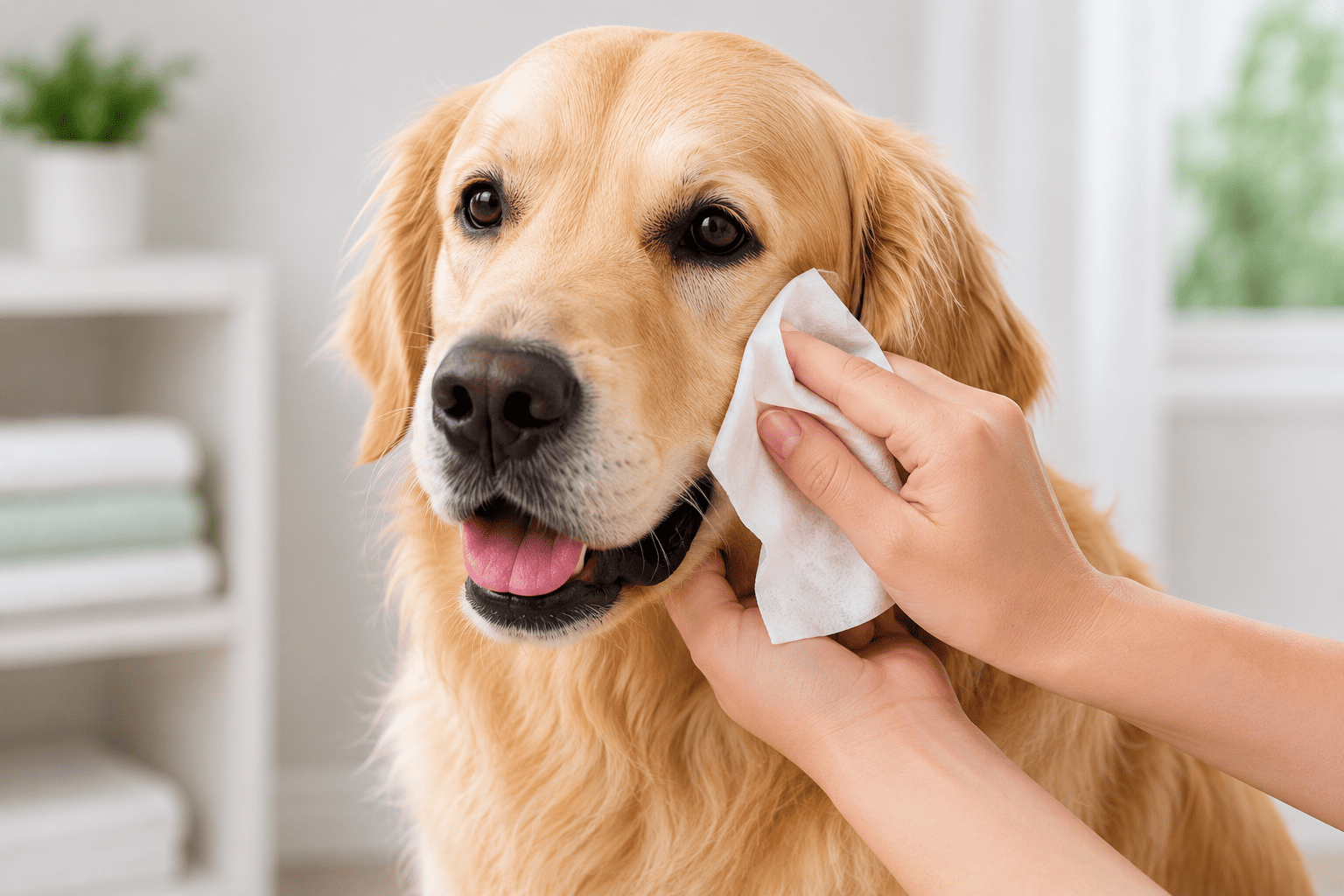
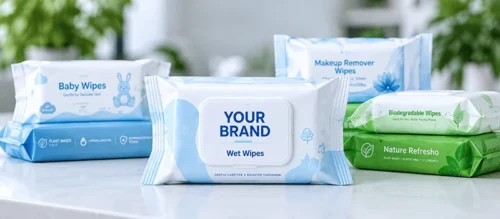


Starting a private label wet wipes brand can be an attractive opportunity for retailers, distributors, e-commerce businesses, and established consumer brands.
Unlike building your own wet wipes factory, private label manufacturing allows you to develop a customized product under your own brand while an experienced wet wipes manufacturer handles formulation, nonwoven fabric, production, packaging, and quality control.
However, launching a successful wet wipes brand requires more than simply choosing a product and putting your logo on the packaging.
You need to consider the product category, target market, formulation, nonwoven fabric, packaging, regulatory requirements, MOQ, pricing, testing, and supply chain.
This guide explains how to start a private label wet wipes brand from the initial product idea to commercial production.
What Are Private Label Wet Wipes?
Private label wet wipes are products manufactured by a third-party manufacturer and sold under your own brand name.
Instead of investing in your own wet wipes factory, you work with an OEM or private label manufacturer to develop and manufacture the product.
A private label wet wipes project may include:
- Customized formulation
- Nonwoven fabric selection
- Wipe size
- Sheet count
- Folding method
- Packaging design
- Printing
- Carton packaging
- Product testing
- Regulatory documentation
- Mass production
The manufacturer produces the finished product while the brand owner focuses on branding, marketing, sales, and distribution.
Why Start a Private Label Wet Wipes Brand?
Private label manufacturing offers several advantages compared with building your own production facility.
Lower Initial Investment
You do not need to purchase wet wipes production equipment, build a factory, or establish your own formulation laboratory.
Customized Products
Private label does not necessarily mean using a standard product.
You can customize:
- Formula
- Nonwoven fabric
- Fragrance
- Wipe dimensions
- Sheet count
- Packaging
- Labeling
This allows your brand to create a product that is different from standard off-the-shelf wipes.
Faster Product Development
An experienced manufacturer already has production equipment, raw material suppliers, technical expertise, and quality systems in place.
This can reduce the time required to move from product concept to commercial production.
Easier Product Expansion
Once your first product is established, additional products can be developed under the same brand.
For example:
Baby Wipes → Sensitive Baby Wipes → Water Baby Wipes → Bamboo Baby Wipes
or:
Pet Wipes → Pet Paw Wipes → Pet Ear & Eye Wipes → Pet Grooming Wipes
This makes it easier to expand your product portfolio without building additional manufacturing capabilities.
How to Choose the Right Wet Wipes Product Category
The first major decision is deciding what type of wet wipes you want to sell.
Common categories include:
- Baby wipes
- Personal care wipes
- Makeup remover wipes
- Adult body wipes
- Intimate wipes
- Pet wipes
- Household cleaning wipes
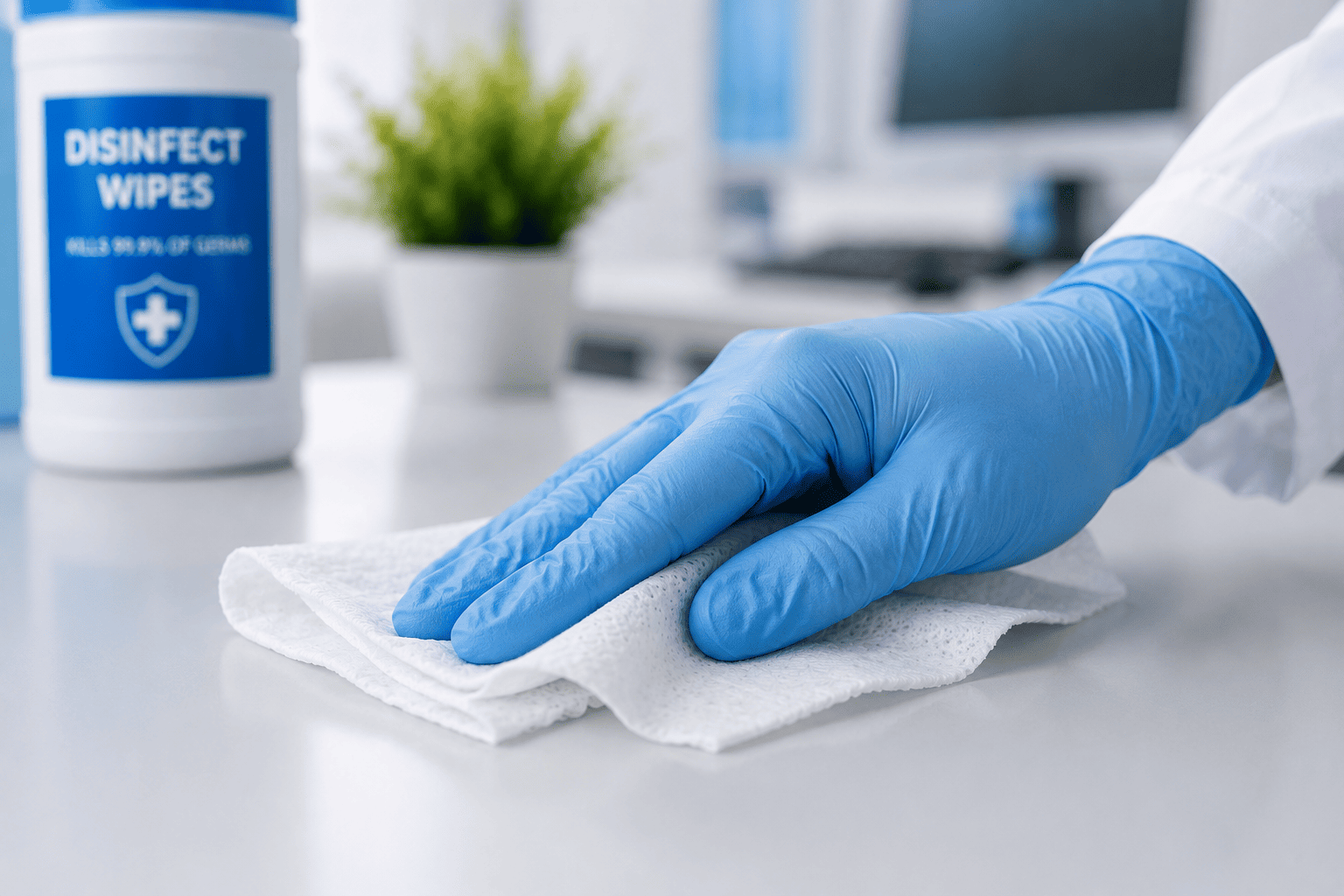
- Disinfecting wipes
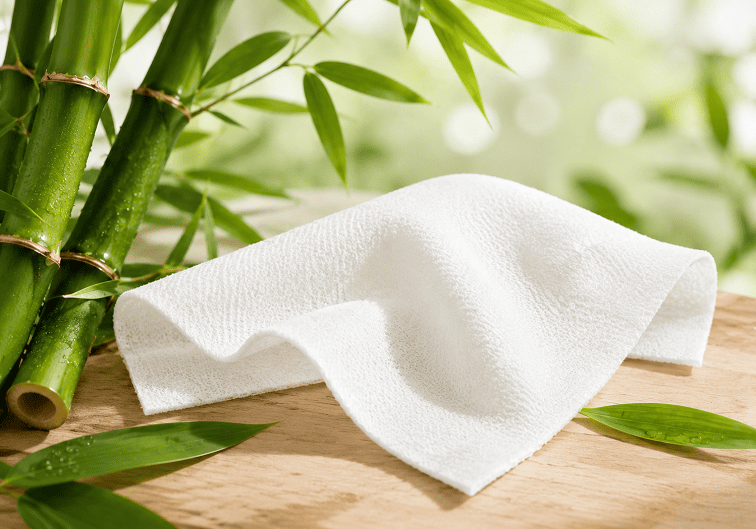
- Biodegradable wipes
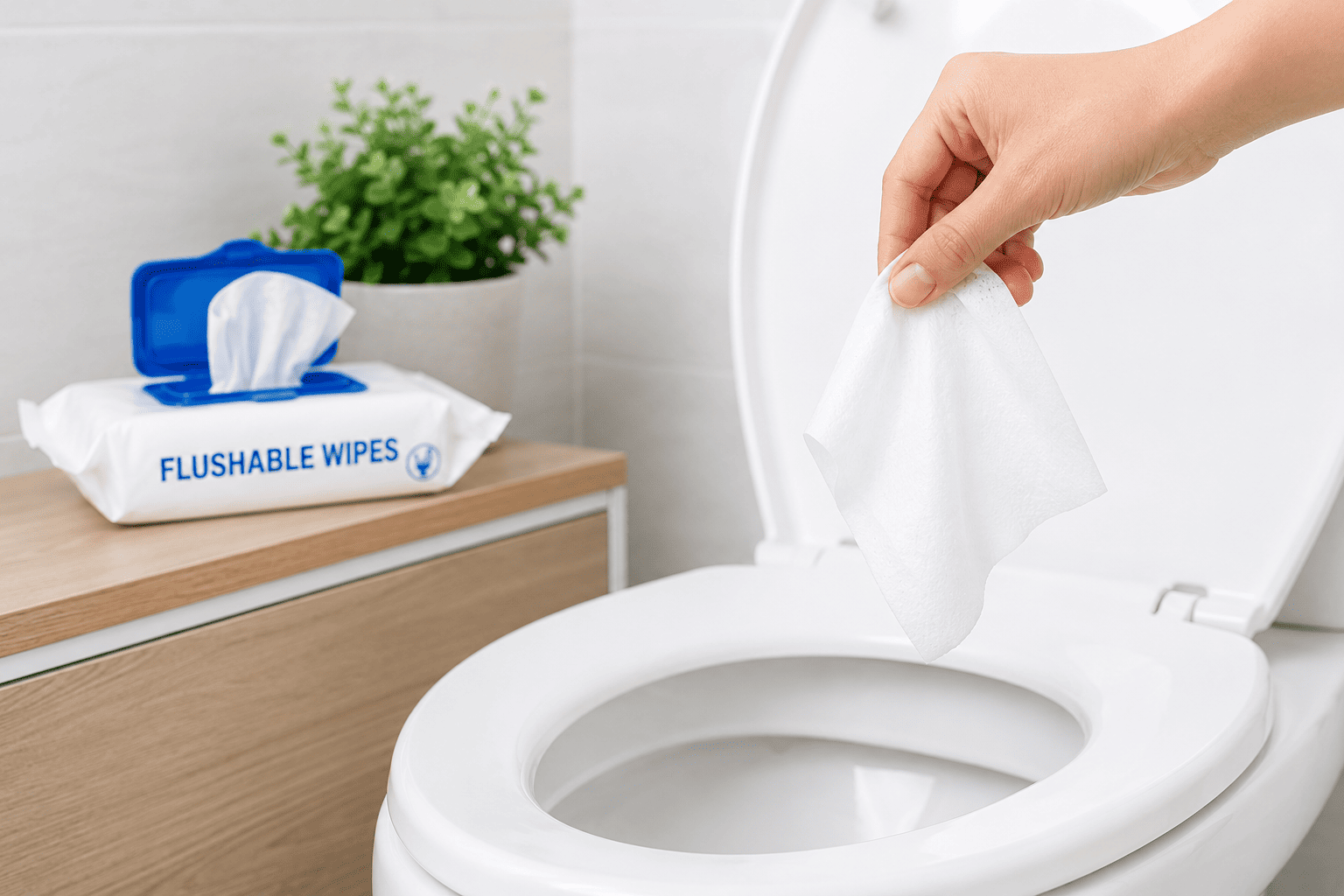
- Flushable wipes
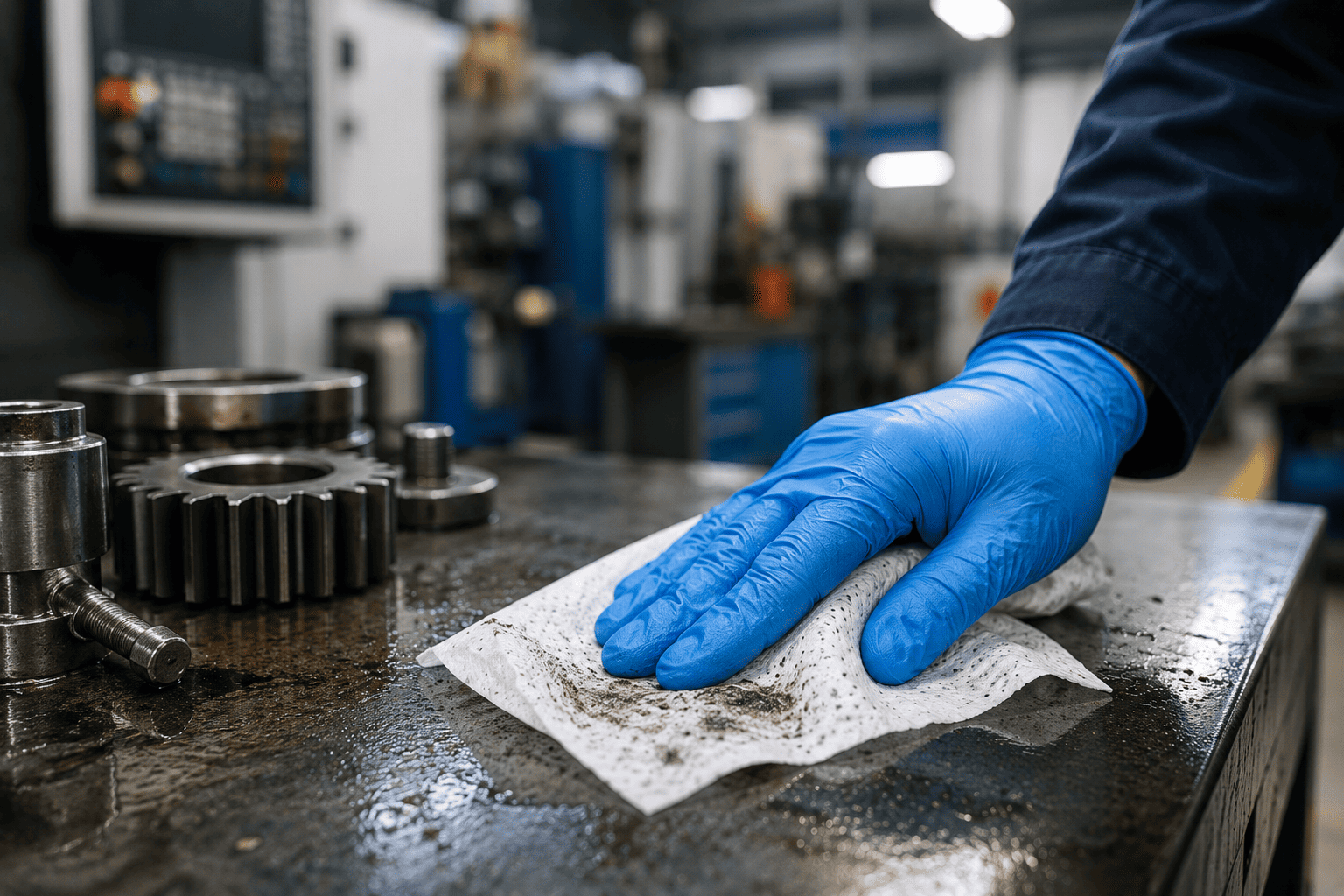
- Industrial wipes
- Specialty cleaning wipes
The right category depends on your target customers, sales channels, competition, product positioning, and target market.
For example, a new brand targeting parents may focus on baby wipes, while a pet care company may begin with paw, ear, and grooming wipes.
How to Define Your Target Market and Customer
After selecting the product category, determine who you want to sell to.
Your target customers could include:
- Supermarkets
- Drugstores
- Pet stores
- Baby product retailers
- E-commerce businesses
- Online marketplaces
- Distributors
- Hospitality companies
- Healthcare organizations
- Industrial customers
Your target market will influence the product specification, packaging, pricing, certifications, and regulatory requirements.
For example, a premium baby wipe sold through specialty retailers may require a very different specification from a value-oriented cleaning wipe sold through discount stores.
How to Research Competitors Before Developing Your Product
Before contacting a manufacturer, research the products already available in your target market.
Compare:
- Product positioning
- Brand messaging
- Wipe size
- Sheet count
- Fabric composition
- GSM
- Ingredients
- Fragrance
- Packaging
- Retail price
- Certifications
- Customer reviews
Customer reviews are particularly useful because they can reveal weaknesses in competing products.
Look for complaints about products being:
- Too dry
- Too thin
- Too small
- Too strongly fragranced
- Too difficult to dispense
- Too expensive
- Not strong enough
These weaknesses can help you identify opportunities for product differentiation.
How to Create a Private Label Wet Wipes Product Specification
Before requesting a quotation, prepare a basic product specification.
For example:
Product: Sensitive Baby Wipes
Wipe Size: 20 × 20 cm
Sheet Count: 80 sheets
Fabric: 100% viscose
Formula: Fragrance-free cleansing formula
Packaging: Soft pack with flip-top lid
Positioning: Sensitive skin / premium
Your initial specification does not need to be perfect.
An experienced manufacturer can recommend adjustments based on product performance, cost, production requirements, and target market.
How to Choose the Right Nonwoven Fabric
The nonwoven substrate has a major impact on the finished wipe.
Common materials include:
- Viscose
- Bamboo viscose
- Lyocell
- Polyester
- Wood pulp
- Blended fibers
Different materials provide different combinations of:
- Softness
- Strength
- Absorbency
- Liquid retention
- Surface texture
- Sustainability
- Cost
For personal care wipes, soft cellulose-based materials may be preferred.
For demanding cleaning applications, stronger synthetic or blended substrates may be more appropriate.
The best material depends on the intended application and required performance.
How to Develop a Private Label Wet Wipes Formula
The liquid formulation is another critical part of product development.
A personal care formulation may contain:
- Purified water
- Humectants
- Preservatives
- pH adjusters
- Skin-conditioning ingredients
- Botanical extracts
- Fragrance
- Other functional ingredients
The formulation should be customized according to the intended application.
For example, a baby wipe may prioritize gentle cleansing and skin comfort, while a makeup remover wipe may require stronger cleansing and oil-removal performance.
The formula should also be evaluated together with the selected nonwoven fabric because different substrates can absorb and release liquid differently.
How to Choose Wipe Size, GSM and Sheet Count
Wipe dimensions, GSM, and sheet count have a direct effect on product performance, user experience, packaging, and cost.
Common wipe sizes include:
- 15 × 20 cm
- 17 × 20 cm
- 18 × 20 cm
- 20 × 20 cm
- 20 × 30 cm
- 22 × 33 cm
Sheet count can range from small travel packs to large family-size packs.
For example:
- Small sheet counts can be suitable for travel or on-the-go products.
- Medium sheet counts are common for everyday personal care and household products.
- Larger sheet counts can be suitable for family or value packs.
The appropriate configuration depends on the product category, target customer, sales channel, and target price.
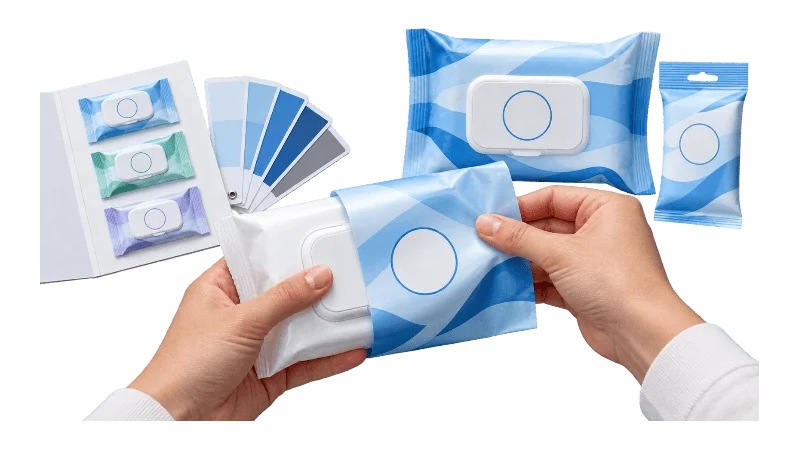
How to Choose Wet Wipes Packaging
Packaging is one of the most visible parts of a private label product.
Soft Pack
Soft packs are widely used for wet wipes because they are lightweight and relatively cost-effective.
They also provide a large printable surface for branding and product information.
Flip-Top Pack
A flip-top lid can make dispensing easier and help protect the remaining wipes after opening.
It is commonly used for baby wipes, personal care wipes, and other products intended for repeated use.
Travel Pack
Smaller resealable packs are suitable for portable and on-the-go products.
They can be useful for travel, handbags, cars, gyms, and other situations where portability is important.
Individual Sachets
Individual wipes can be useful for:
- Hotels
- Restaurants
- Airlines
- Gyms
- Healthcare
- Events
- Promotional products
Packaging should be selected according to the product positioning, usage scenario, sales channel, and target cost.
How to Create Your Private Label Wet Wipes Packaging Design
Your packaging should communicate the product’s main benefit quickly and clearly.
Important information may include:
- Brand name
- Product name
- Key product benefits
- Sheet count
- Wipe size where appropriate
- Ingredients
- Directions for use
- Warnings
- Regulatory information
- Responsible party information where required
Be careful with environmental, cosmetic, and antimicrobial claims.
Claims such as:
- Biodegradable
- Hypoallergenic
- Dermatologically tested
- Antibacterial
- Kills 99.9% of bacteria
may require appropriate supporting evidence depending on the market and product category.
It is better to review product claims before finalizing and printing the packaging artwork.
What Regulatory Requirements Apply to Private Label Wet Wipes?
Regulatory requirements depend on the product type, target market, ingredients, and claims.
Different markets may have different requirements, including:
- United States
- European Union
- United Kingdom
- Australia
- Canada
- Other international markets
For example, a cosmetic cleansing wipe can follow a different regulatory pathway from a disinfecting wipe.
Before finalizing your formulation and packaging, determine:
- Product classification
- Ingredient restrictions
- Required testing
- Labeling requirements
- Registration or notification requirements
- Required documentation
- Environmental claims
- Antimicrobial claims
Regulatory planning should begin before the final artwork is printed.
How to Evaluate Wet Wipes Samples
Before placing a mass production order, thoroughly evaluate the samples.
Check the Nonwoven Fabric
Evaluate:
- Softness
- Thickness
- Strength
- Texture
- Absorbency
Check the Formulation
Evaluate:
- Moisture level
- Odor
- Fragrance
- Skin feel
- Cleaning performance
Check the Packaging
Evaluate:
- Printing quality
- Seal integrity
- Lid performance
- Dispensing
- Resealability
Check the Finished Product
Evaluate:
- Overall appearance
- Pack dimensions
- Weight
- Dispensing experience
- Storage stability
If necessary, request different sample versions before selecting the final specification.
Do not evaluate only the appearance of the package. The finished wipe should also be tested under realistic usage conditions.
How to Determine Private Label Wet Wipes MOQ and Pricing
MOQ is an important consideration when starting a private label wet wipes brand.
MOQ can depend on:
- Product type
- Sheet count
- Packaging format
- Printing requirements
- Formula customization
- Production volume
- Production line requirements
When comparing quotations, do not look only at the unit price.
Compare the complete specification, including:
- Fabric composition
- GSM
- Formula
- Packaging material
- Sheet count
- Carton quantity
- Testing
- Certifications
- Lead time
- Payment terms
- Shipping terms
A lower unit price does not necessarily mean a lower total product cost.
What Testing Does a Private Label Wet Wipe Need?
Testing requirements depend on the product category, intended use, claims, and target market.
Potential testing may include:
- Microbiological testing
- Stability testing
- Preservative efficacy testing
- Skin compatibility testing
- Packaging compatibility testing
- Antimicrobial efficacy testing
- Biodegradability testing
- Flushability testing
Not every wet wipe requires every test.
The testing plan should be based on the intended use, product claims, and target market.
For example, a cosmetic baby wipe and a disinfecting wipe will have very different testing requirements.
How to Finalize Your Wet Wipes Product Specification
Before mass production, all important product details should be confirmed in writing.
The final specification can include:
- Product name
- Wipe dimensions
- Sheet count
- Fabric composition
- GSM
- Folding method
- Formula
- Fragrance
- Liquid loading
- Packaging
- Carton configuration
- Labeling
- Quality requirements
This specification becomes an important reference for future production orders and quality control.
A clear specification also helps ensure that future production remains consistent with the approved sample.
How Does Private Label Wet Wipes Production Work?
Once the product has been approved, the manufacturing process typically follows several stages:
Raw Materials → Liquid Preparation → Nonwoven Preparation → Wetting → Folding → Cutting → Packing → Sealing → Inspection → Cartoning → Shipment
Quality control should be performed throughout the production process.
The manufacturer should also maintain consistency between approved samples and mass production.
How Much Does It Cost to Start a Private Label Wet Wipes Brand?
There is no single startup cost for a private label wet wipes brand.
The total investment depends on:
- Product type
- Order quantity
- Nonwoven fabric
- Formula
- Packaging
- Printing
- Testing
- Certification or registration
- Carton packaging
- Freight
Smaller orders generally have a higher unit cost, while larger production volumes can improve manufacturing economics.
For a new brand, it is often better to begin with a focused product range rather than launching too many SKUs at once.
How Many Wet Wipes SKUs Should a New Brand Launch?
There is no universal number of SKUs that every new brand should launch.
A focused initial range is often easier to manage from an inventory, marketing, and product development perspective.
For example, a new baby care brand could start with:
- Sensitive Baby Wipes
- Water Baby Wipes
- Bamboo Baby Wipes
A pet care brand could start with:
- Pet Paw Wipes
- Pet Ear & Eye Wipes
- Pet Grooming Wipes
Once the best-performing products are identified, additional SKUs can be introduced.
How to Choose a Private Label Wet Wipes Manufacturer
Choosing the right manufacturer is one of the most important decisions when starting a wet wipes brand.
Consider the manufacturer’s product development capabilities, manufacturing capacity, quality control system, testing support, packaging capabilities, and communication.
Product Development Capabilities
Can the manufacturer customize formulas, fabrics, wipe sizes, packaging, and other product specifications?
Manufacturing Capacity
Can the manufacturer support both your initial order and future growth?
Quality Control System
Does the manufacturer have documented quality control procedures and appropriate production standards?
Testing and Compliance Support
Can the manufacturer help coordinate the testing and documentation required for your target market?
Packaging Capabilities
Can the manufacturer provide customized printing, packaging, cartons, and different packaging formats?
Communication and Technical Support
Can the manufacturer communicate efficiently and provide practical technical recommendations during product development?
The best manufacturing partner should function as a product development partner rather than simply a production supplier.
Private Label vs. Ready-Made Wet Wipes
There are two common approaches when starting a new wet wipes brand.
Ready-Made Formula
You select an existing formula and customize the packaging.
Advantages include:
- Faster development
- Lower development cost
- Simpler production
- Easier initial launch
This approach can be suitable for brands that want to enter the market quickly.
Customized Formula
You develop a formula specifically for your brand.
Advantages include:
- Greater product differentiation
- Customized ingredients
- Customized sensory experience
- More flexibility for specific market requirements
- Better control over product positioning
The right approach depends on your budget, timeline, product positioning, and target market.
Common Mistakes When Starting a Private Label Wet Wipes Brand
Choosing a Manufacturer Based Only on Price
A lower quotation may involve different fabric, GSM, formula, packaging specifications, or quality standards.
Always compare the complete product specification.
Launching Too Many SKUs
Too many products can increase inventory and marketing complexity.
Start with products that have a clear target market and strong commercial potential.
Ignoring Regulatory Requirements
Regulatory requirements should be considered before finalizing the formulation and packaging.
Changing the formula or packaging after production can be expensive.
Focusing Only on Packaging
Good packaging attracts customers, but the product itself needs to deliver consistent performance.
Not Testing Samples Thoroughly
Samples should be evaluated under realistic usage conditions before commercial production.
Failing to Document the Final Specification
Important details such as fabric GSM, formula, wipe size, liquid loading, and packaging should be clearly documented and approved before mass production.
Private Label Wet Wipes Launch Process
The complete process can be summarized as:
- Market Research
- Select Product Category
- Define Target Customer
- Create Product Specification
- Select Manufacturer
- Develop Nonwoven Fabric and Formula
- Design Packaging
- Produce Samples
- Test and Approve Samples
- Confirm Regulatory Requirements
- Finalize Artwork and Specifications
- Start Mass Production
- Quality Inspection
- Shipment
Following a structured process can reduce unnecessary revisions and provide a clearer path from product concept to finished product.
How QIMEI Supports Private Label Wet Wipes Development
QIMEI provides OEM and private label wet wipes manufacturing for international brands, distributors, retailers, and businesses developing new wipe products.
Our capabilities include:
- Customized wet wipes formulations
- Nonwoven material selection
- Baby wipes
- Personal care wipes
- Adult wipes
- Makeup remover wipes
- Pet wipes
- Cleaning wipes
- Disinfecting wipes
- Biodegradable wipes
- Flushable wipes
- Customized packaging
- Product testing support
- OEM and private label production
From the initial product concept to finished production, QIMEI can support the development process across formula, nonwoven fabric, packaging, testing, and manufacturing.
Final Thoughts
Starting a private label wet wipes brand does not require building your own factory.
With the right OEM manufacturing partner, you can develop customized wet wipes while focusing your resources on branding, marketing, sales, and distribution.
The key is to treat private label manufacturing as a complete product development process rather than simply putting your logo on an existing product.
The basic process is:
Choose the market → Define the product → Select the materials → Develop the formula → Design the packaging → Complete testing → Confirm compliance → Start production.
A clear product specification and an experienced manufacturing partner can help you build a wet wipes brand that is consistent, scalable, and ready for long-term growth.
Looking for a private label wet wipes manufacturer? Contact QIMEI to discuss your product concept, target market, and packaging requirements.