 Meet Qimei at PLMA Chicago 2026 · November 15–17, 2026 · Booth #H3029
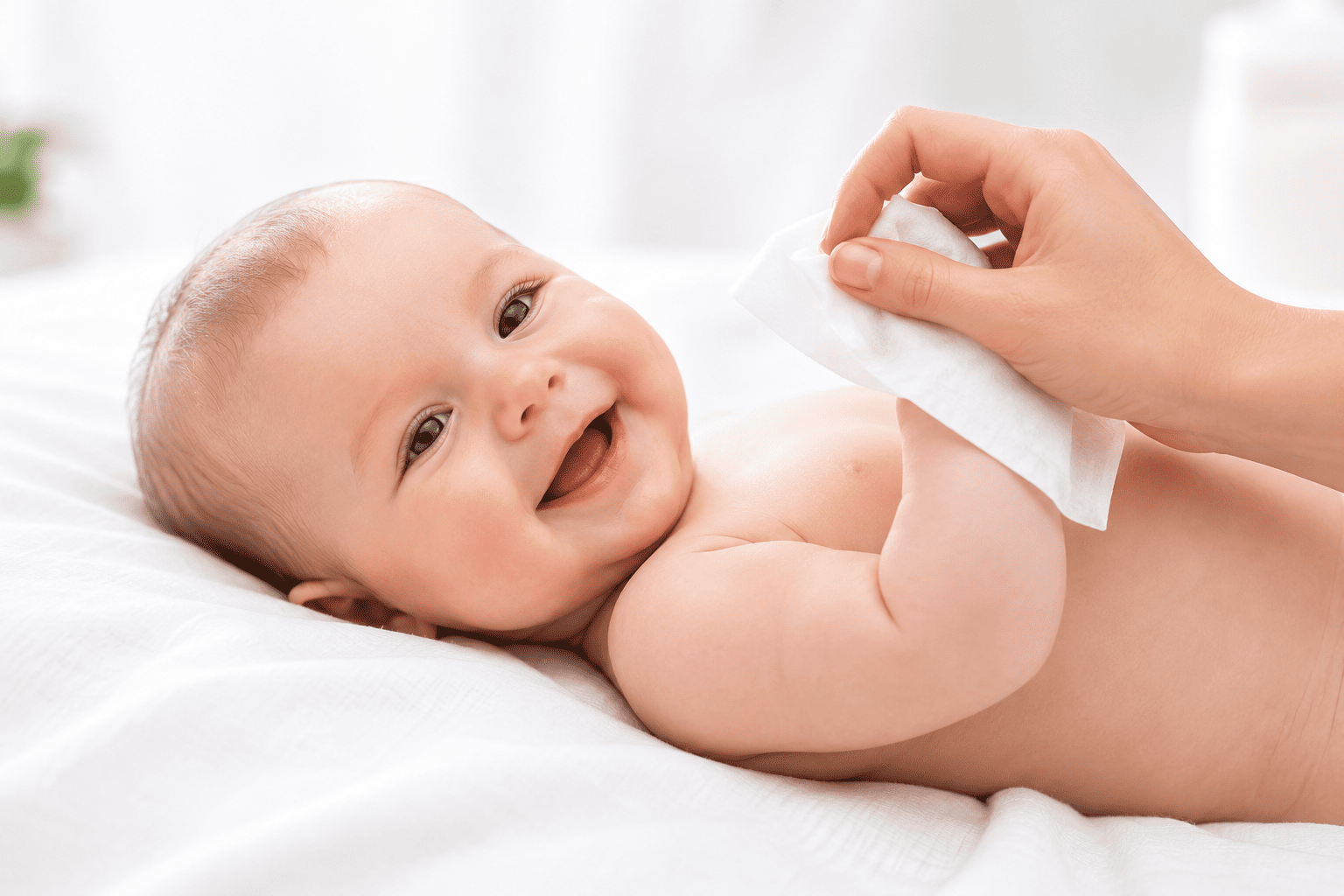



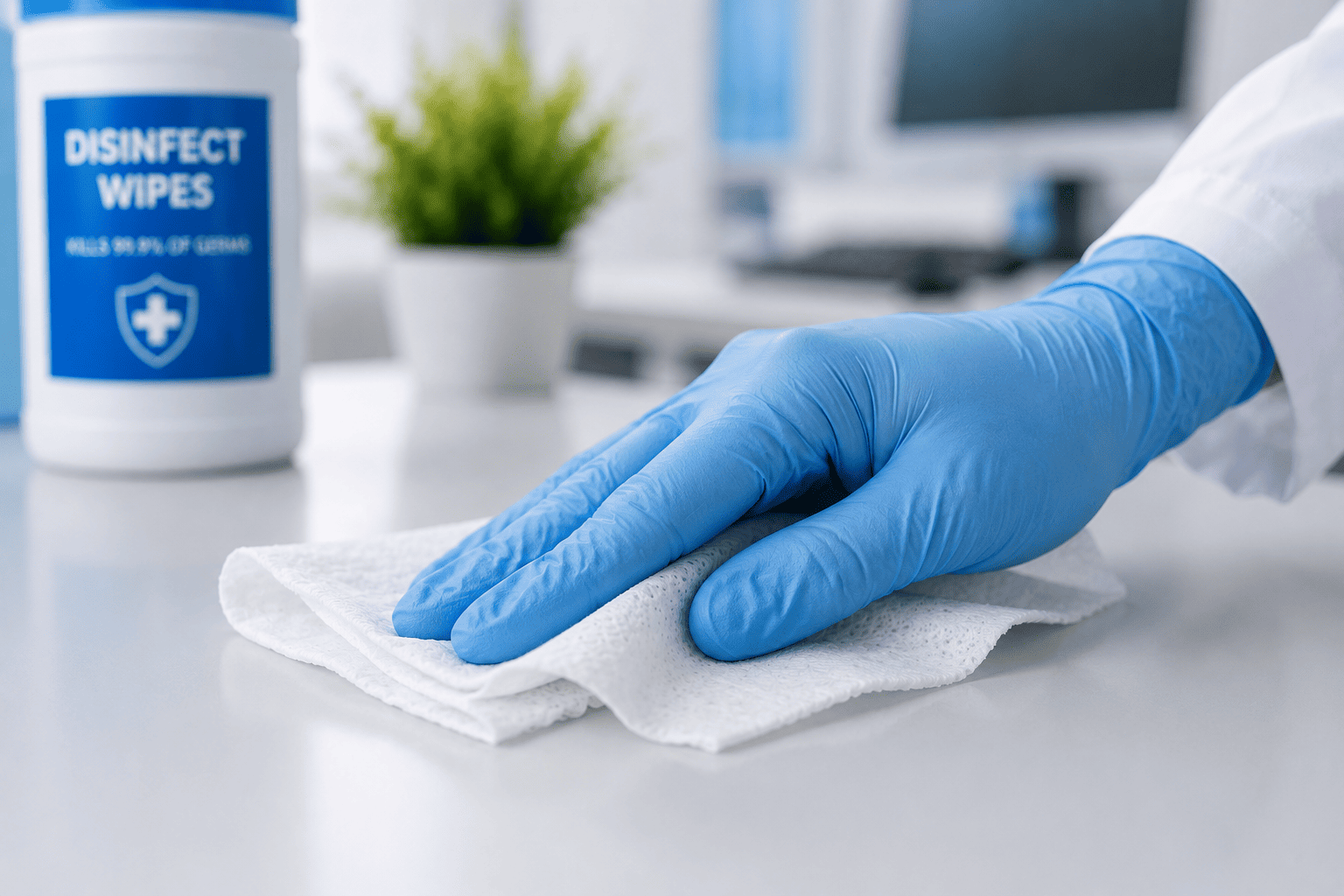
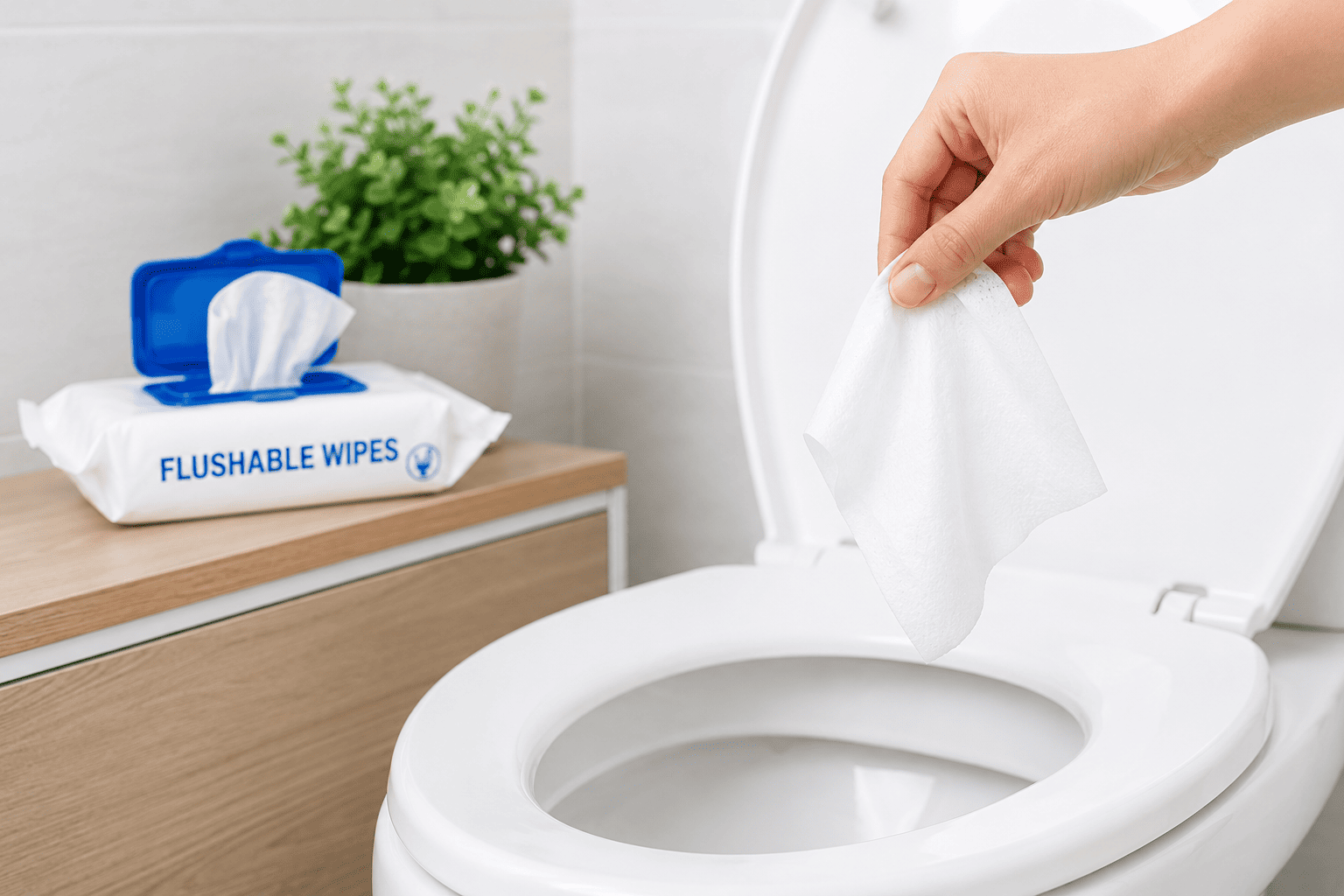

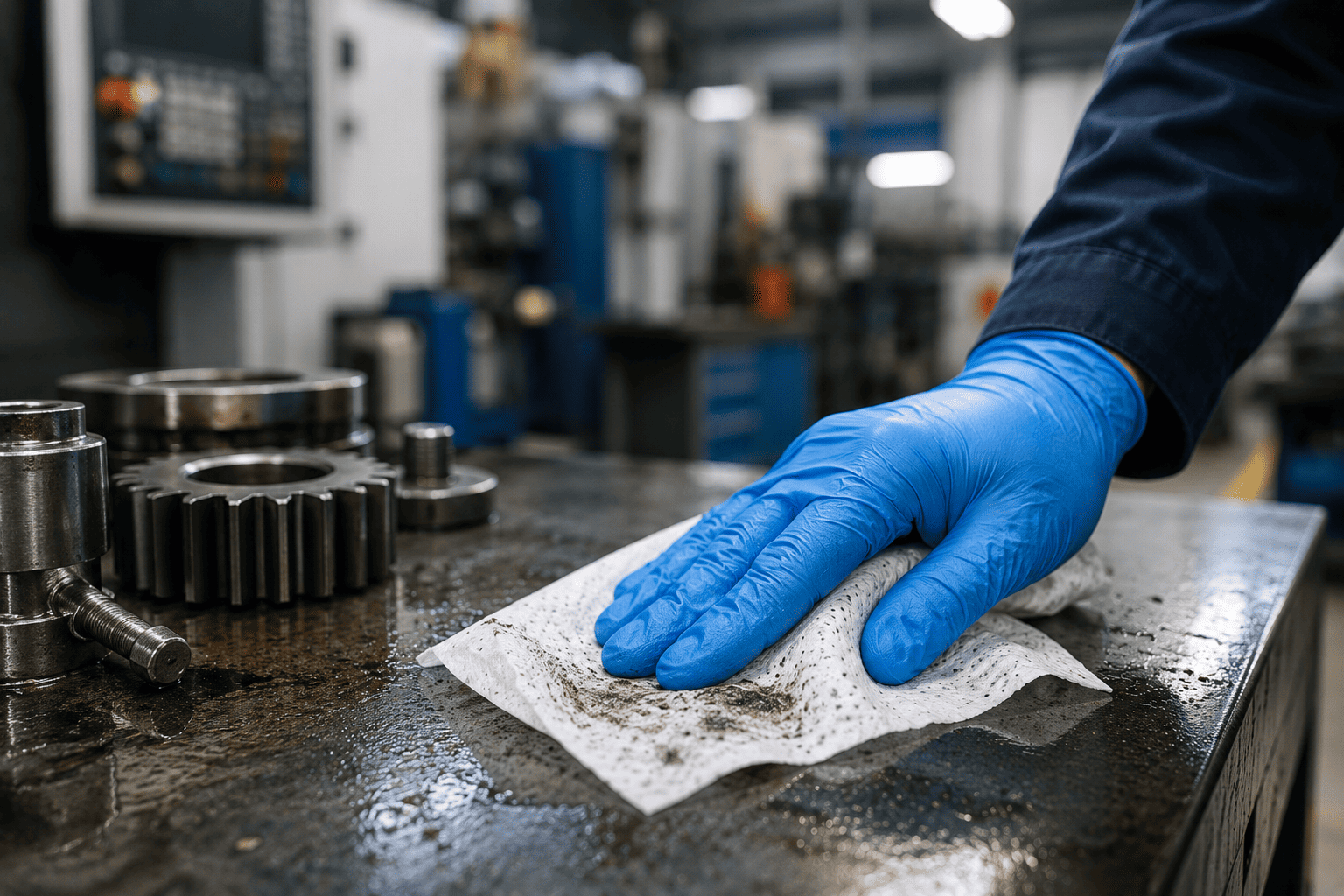


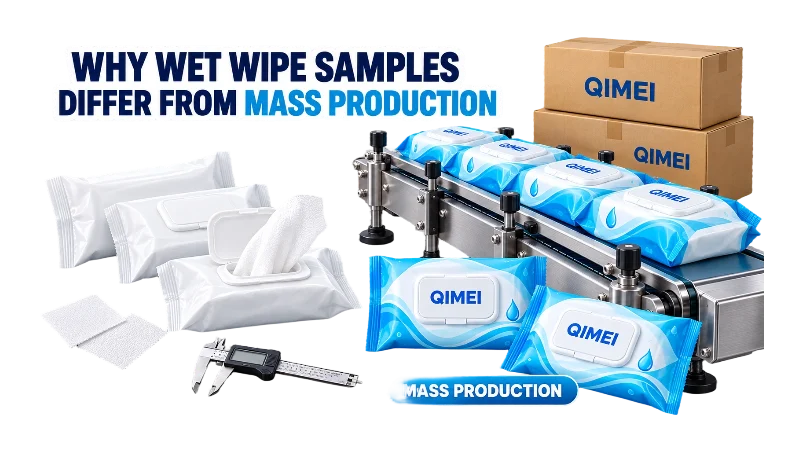
A wet wipe sample is an essential part of product development, but it is not always identical to the final mass-produced product. Buyers may receive a sample that feels softer, wetter, thinner, stronger or easier to dispense than the wipes delivered after production.
This does not automatically mean that the wet wipes manufacturer has made a mistake. Samples and mass production are produced under different conditions, with different material quantities, equipment settings, packaging components and storage timelines. However, significant differences should never be ignored. They must be understood, measured and controlled before a private label project moves into production.
For importers, retailers, wet wipes distributors and companies planning wet wipes wholesale, the goal is not to expect every early sample to be perfect. The goal is to know which sample represents the final product and which specifications must remain consistent during mass production.
Not Every Wet Wipe Sample Has the Same Purpose
The word “sample” can describe several different stages of development. Buyers should confirm which type of sample they are receiving before approving it.
| Sample Type | Typical Purpose | Can It Represent Mass Production? |
|---|---|---|
| Existing stock sample | Shows a factory’s available material, format or formula direction | Not always |
| Hand-made sample | Demonstrates a proposed size, fabric or formula concept | Limited |
| Pre-production sample | Uses approved materials and real packaging before full production | Most representative |
| Production retention sample | Confirms the actual product made during the order | Yes |
A stock sample may use a different wipe size, GSM, formula or packaging from the buyer’s final requirement. A hand-made sample may not have the same stack compression or one-at-a-time dispensing as a machine-packed product.
For wet wipes purchase decisions, the most important approval point is usually the pre-production sample. It should use the approved fabric, formula, fold, sheet count, packaging film, closure and artwork version whenever possible.
Formula Batches Behave Differently at Production Scale
A laboratory sample may be prepared in a small vessel, while mass production requires a larger batch mixed in industrial equipment. The ingredients may be the same, but mixing time, temperature, order of addition and batch size can influence how the lotion performs.
Formula differences can affect:
- Fragrance intensity
- Foam level
- Wet feel and slip
- Liquid clarity
- pH
- Absorption into the nonwoven
- Sheet-to-sheet separation
- Preservative performance
A wet wipes manufacturer should use controlled procedures for water treatment, ingredient weighing, mixing and batch release. The final formula must be tested using the actual selected fabric and package because nonwoven materials can affect liquid absorption and ingredient availability.
Buyers should avoid approving a formula only by its ingredient list. The finished wipe, not the bulk lotion alone, is what the end customer will use.
Lotion Loading Changes the Feel of the Wipe
Lotion loading is the amount of liquid applied to the dry nonwoven. Even when the formula itself remains unchanged, a variation in lotion loading can change the product experience.
A wipe with higher loading may feel wetter, heavier and smoother. It may also drip, stick to adjacent sheets or make the package look swollen. A wipe with lower loading may feel dry, less comfortable and less effective for cleaning.
Small hand-made samples are often saturated manually. This can create a different moisture level from an automated production line, where lotion dosing is controlled according to weight, speed and pack configuration.
The final product should be checked for moisture distribution from the first wipe to the last. Lotion may move during storage, especially when packs are stacked, transported over long distances or stored in warm conditions.
Folding and Compression Are Different on a Production Line
Wet wipe samples are sometimes folded by hand or assembled in very small stacks. Mass production uses converting equipment that cuts, folds, interfolds, compresses and transfers wipes at commercial speed.
This can affect:
- Final folded dimensions
- Stack height
- Sheet alignment
- Interfold overlap
- Ease of unfolding
- One-at-a-time dispensing
- Pulling resistance at the opening
A hand-folded sample may look neat but may not reflect the exact tension and compression created by a machine. Likewise, an uncompressed loose stack may dispense smoothly, while the finished package becomes more difficult to pull once it is sealed.
Fold type alone does not guarantee pop-up dispensing. Fabric friction, lotion loading, stack compression and opening dimensions must all work together. A wet wipes distributor should therefore test the finished pack rather than approving only loose sheets.
Packaging Materials Can Change Moisture and Appearance
The packaging used for a sample may not be the same as the final printed packaging. Early samples are often packed in plain bags, temporary labels or manually sealed pouches. These are useful for evaluating the wipe, but they may not represent final moisture retention or opening performance.
Mass-produced packaging must be evaluated for:
- Film barrier performance
- Seal integrity
- Leakage resistance
- Label resealing performance
- Flip-top lid fit
- Opening size and position
- Pack shape and stack compression
- Printing quality and color consistency
A different film structure can affect how tightly the package holds the wipe stack. A larger opening can make the next wipe fall back, while a smaller opening may create excessive pulling resistance.
For wet wipes wholesale projects, packaging is not only a visual decision. It directly affects consumer experience, shelf life and the number of complaints a distributor may receive.
Storage and Transport Can Make Samples Feel Different
A sample may be evaluated immediately after it is made, while mass-produced wipes may be stored for weeks before reaching a buyer. During this time, the lotion can distribute through the stack, fragrance can settle, the package can experience compression and temperature changes can affect the product’s appearance.
Shipping also exposes cartons to vibration, stacking pressure and changing temperatures. These conditions may change dispensing behavior, pack shape or moisture distribution.
A finished-pack evaluation should include both fresh samples and samples that have been stored for an agreed period. Where relevant, the wet wipes supplier can also arrange stability, transport simulation or packaging checks based on the product’s sales market and distribution route.
Some Differences Are Acceptable, but Some Require Action
Minor variation within agreed tolerances is normal. For example, wipes from different production lots may have slight differences in softness, fragrance perception or packaging color.
However, the following differences should be investigated before shipment:
- A different nonwoven composition or GSM
- A noticeable change in wipe size
- A different fold or stack arrangement
- Major changes in moisture level
- Leakage or poor resealing
- Significant dispensing problems
- A formula change without approval
- Packaging that does not match the approved artwork
- Missing sheets or incorrect pack count
- Microbiological or physical results outside specification
The key question is whether the final product matches the approved specification and intended consumer experience. A product should not be rejected only because it is not visually identical to a hand-made sample, but it should not be accepted when it fails agreed performance requirements.
Why a Clear Specification Matters More Than a “Perfect” Sample

A sample is a reference point, but a written specification is what allows the factory to reproduce the product consistently.
A complete wet wipe specification should include:
- Product application and target consumer
- Nonwoven composition, GSM and surface pattern
- Open and folded wipe dimensions
- Fold type and interfold arrangement
- Formula ingredient requirements and exclusions
- Lotion loading or finished pack-weight target
- Sheet count and pack dimensions
- Packaging film, label or lid details
- Artwork and printing requirements
- Test methods, tolerances and acceptance criteria
- Approved sample date and change-control process
Without this information, the buyer and wet wipes manufacturer may both believe they are producing the same product while working from different assumptions.
For a private label order, it is useful to keep a signed specification, approved artwork file and retained sample. These records provide a practical reference if questions arise during repeat orders.
The Importance of a Pre-Production Sample
A pre-production sample is the strongest bridge between development and mass production. It should be made after the key specifications are confirmed but before the full order is produced.
Ideally, the pre-production sample uses:
- The approved formula
- The approved nonwoven material
- The correct GSM and wipe dimensions
- The final fold and sheet count
- The intended lotion loading
- Real packaging film and closure
- Final artwork or a close production equivalent
The buyer should inspect the full pack, not only one wipe. Check the first wipe, middle wipes and final wipes. Review moisture, softness, odor, sheet strength, fold consistency, dispensing, seal quality, pack dimensions and carton packing.
If the sample uses temporary packaging, the buyer should clearly understand which parts remain to be validated during production.
How Buyers Can Reduce Sample-to-Production Risk
The most effective way to prevent misunderstandings is to treat sampling as a controlled approval process rather than an informal exchange of swatches.
Before confirming a wet wipes purchase, buyers should:
- Confirm the exact sample type received.
- Compare the sample against a written specification.
- Ask the wet wipe supplier to identify the fabric composition and GSM.
- Confirm whether the formula is a stock formula or a customized version.
- Test the finished package, not only loose wipes.
- Approve packaging artwork only after pack dimensions are confirmed.
- Request a pre-production sample for customized projects.
- Define acceptable tolerances for size, weight, moisture and dispensing.
- Agree on any required laboratory testing or inspection.
- Retain an approved reference sample for repeat orders.
These steps are especially important for a new wet wipes distributor, a brand entering wet wipes wholesale or a buyer changing factory partners.
What to Expect from a Reliable Wet Wipes Manufacturer
A reliable wet wipes manufacturer should not promise that every early hand-made sample will be identical to a finished commercial pack. Instead, the supplier should explain the limitations of each sample stage and provide a clear route toward production approval.
A capable manufacturer should offer transparent specifications, controlled raw materials, documented formula procedures, production checks and change-control communication. If the factory needs to replace a material or adjust a process, the buyer should be informed before the change affects mass production.
The strongest supplier relationship is built on technical clarity. When the buyer understands what is being approved, and the factory understands which requirements cannot change, sample-to-production consistency becomes much easier to manage.
Final Thoughts
Wet wipe samples and mass-produced wipes can differ because they are made under different conditions. Raw-material tolerances, batch scale, lotion loading, machine folding, packaging and storage all influence the finished product.
The practical solution is not to rely on an early sample alone. Private label buyers should approve a complete specification, test finished packs and request a pre-production sample when the project is customized.
QIMEI supports private label, OEM, wet wipes wholesale and distributor projects with specification-based sampling, material selection, packaging development and mass-production quality control. Share your product brief to discuss a suitable wet wipes solution.
Wanna discuss your private label wet wipes project with QIMEI and get free sample for evaluation? Contact us!