 Meet Qimei at PLMA Chicago 2026 · November 15–17, 2026 · Booth #H3029
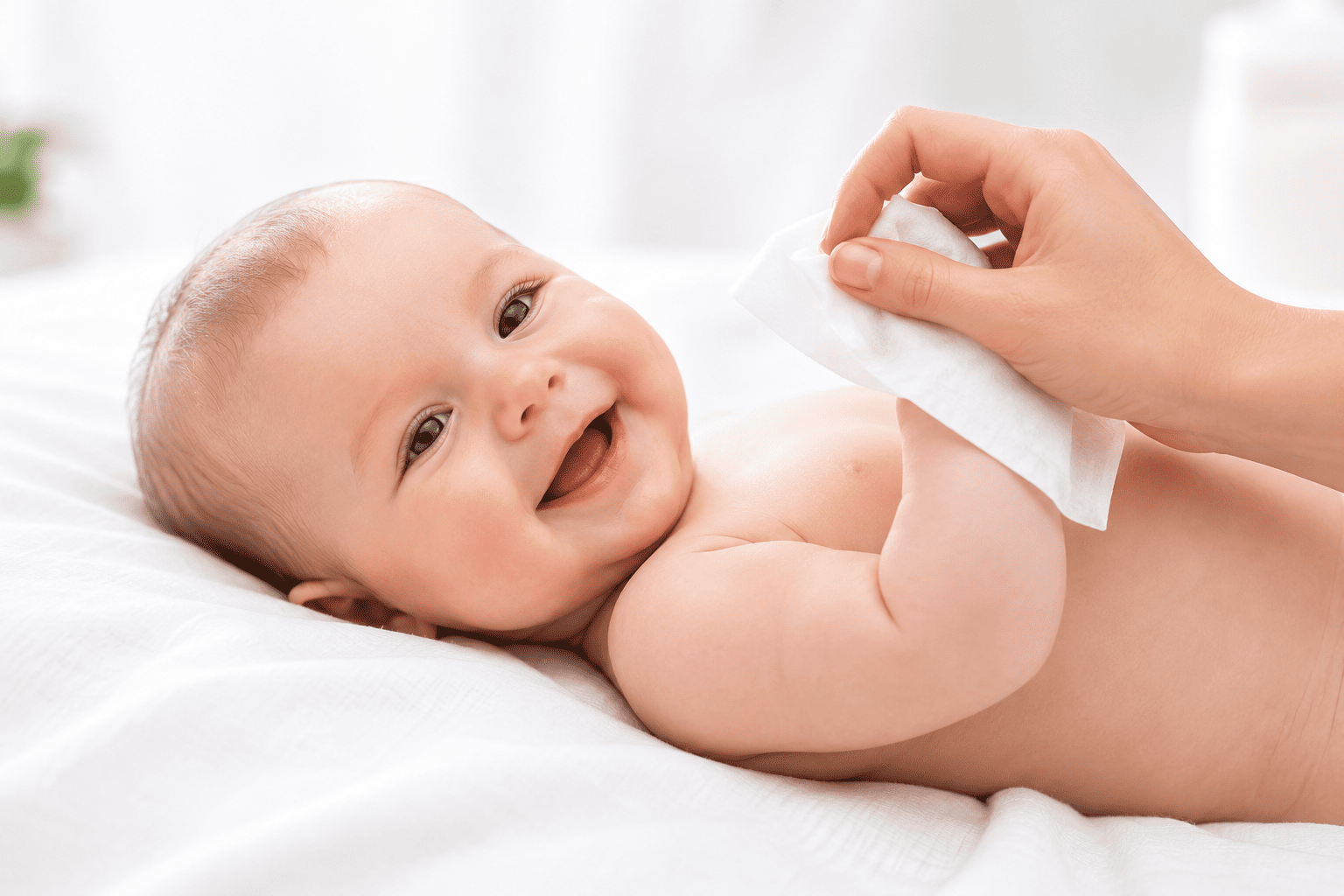


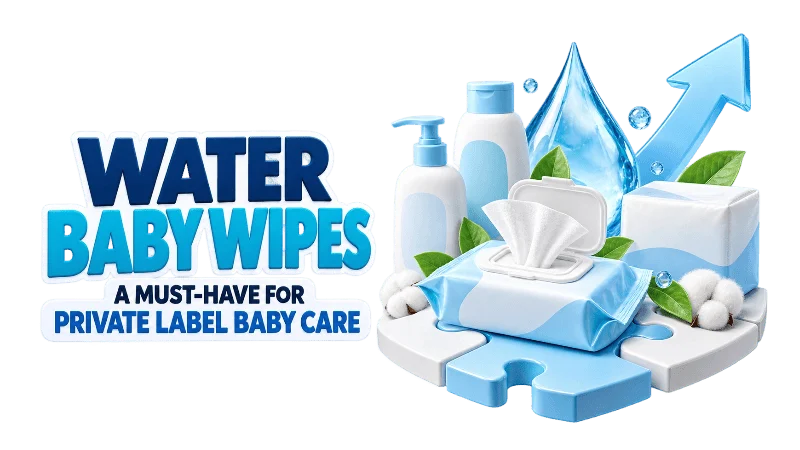
Parents are becoming more selective about what touches their baby’s skin. They read ingredient lists, compare nonwoven materials and look closely at claims such as fragrance-free, plant-based and water-based. This shift has made water baby wipes one of the most important product opportunities for private label baby care brands.
A water baby wipe is not simply a standard baby wipe with “water” added to the packaging. It is a product built around a water-led formula, gentle material selection and careful microbiological control. For a retailer, distributor or new brand, this category can create a clear point of difference—but only when the product is developed with the right wet wipe manufacturer.
The growing demand for simpler baby-care products is changing how private label baby wipes are specified, sampled and sold.
Why Are Water Baby Wipes Gaining Market Attention?
Traditional baby wipes may include fragrance, botanical extracts, moisturizers and a longer ingredient list. These products still have a place in the market, but many parents now prefer a simpler option for newborns, sensitive skin and daily diaper changes.
Water baby wipes usually focus on purified water as the main component, paired with a carefully selected cleansing and preservation system. The final product should feel moist, soft and gentle while remaining stable throughout its intended shelf life.
For private label brands, water baby wipes can support several market positions:
- Newborn and sensitive-skin baby care
- Fragrance-free baby wipes
- Minimal-ingredient product ranges
- Premium supermarket or pharmacy brands
- Eco-conscious baby-care collections
- Subscription and direct-to-consumer baby brands
A clear water-based proposition is easy for consumers to understand. However, a simple message on the pack requires careful work behind the scenes. The formula, fabric, packaging and manufacturing environment must all support the claim.
A “Pure Water” Positioning Still Requires Technical Control
One common mistake is to assume that a water-led wipe is easier to make than a conventional baby wipe. In reality, a high-water formula can require more attention to preservation, filling hygiene and packaging integrity.
Water is an ideal environment for microbial growth if the formula and production process are not properly controlled. A professional wet wipe factory must manage purified-water quality, raw-material hygiene, formula preparation, dosing accuracy and finished-product testing.
The selected formula should be developed according to the target market, product claim and applicable safety requirements. Some brands want a very short ingredient list, while others want to include gentle skin-conditioning ingredients such as glycerin or aloe. Neither direction is automatically better. The right formula is the one that delivers the intended consumer experience and can be supported by stability and microbiological testing.
For this reason, buyers should not choose a water baby wipes supplier based only on a “99% water” or “water-based” claim. They should ask how the supplier controls product safety over the full shelf life.
The Nonwoven Material Defines Much of the User Experience
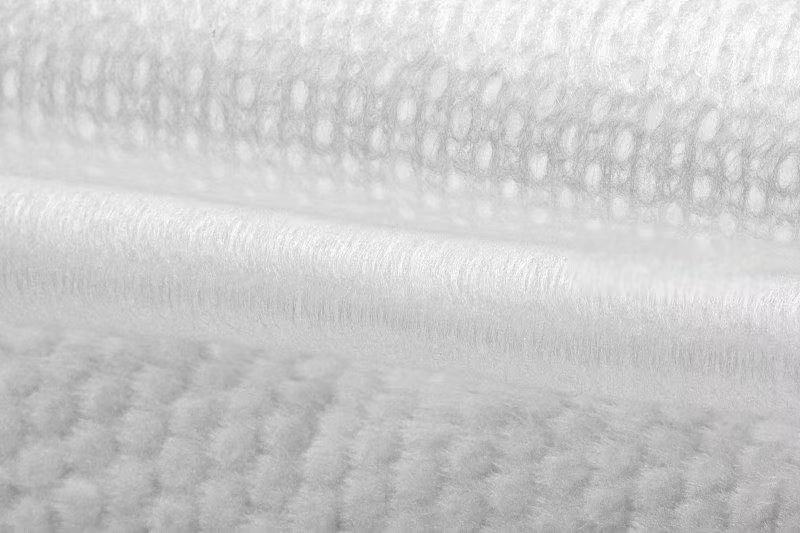
The liquid formula receives most of the attention, but the wipe material plays an equally important role. A water baby wipe must be soft enough for delicate skin while strong enough to remain intact during use.
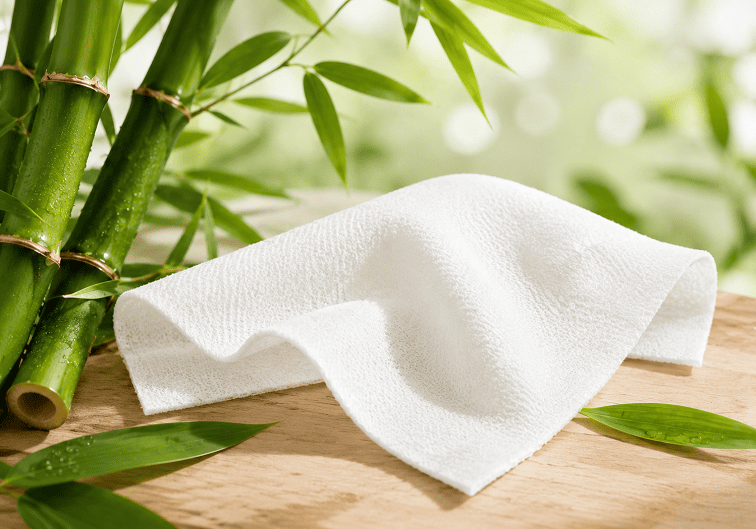
Common substrate options include viscose, polyester blends, lyocell, bamboo-derived fibers and plant-based nonwoven materials. Each option has different properties relating to softness, absorbency, wet strength, texture and cost.
A softer material may improve the premium feel of the product, but it may also absorb liquid differently or require changes to lotion loading. A stronger substrate may improve durability, but excessive stiffness can make the wipe feel less suitable for newborn care.
When developing private label baby wipes, brands should compare samples using the intended formula rather than only dry fabric swatches. A material that feels soft when dry may behave differently after it is saturated, folded and packed under pressure.
The material should also match the product’s environmental positioning. If a brand plans to market biodegradable or plastic-free water baby wipes, the fiber composition and any related claims should be checked carefully before artwork is approved.
Why Private Label Brands Need More Than a Standard Product
Private label wet wipes are not just products with a customer logo printed on the pack. A competitive private label baby wipes project should begin with a specification that reflects the target market.
The specification should cover:
- Intended consumer group, such as newborn, sensitive skin or everyday baby care
- Formula direction and ingredient preferences
- Fabric composition, GSM and surface texture
- Wipe size and folded dimensions
- Pack count and packaging format
- Fragrance-free, water-based or biodegradable positioning
- Required testing and documentation
- Label language and destination-market requirements
- Expected order quantity and launch timeline
A capable baby wipes OEM can use this brief to recommend practical options rather than simply offering one standard formula and one standard pack.
For example, a premium pharmacy brand may prefer a larger, thicker wipe with a water-led formula and a flip-top pack. A value retail brand may choose a practical sheet size, a soft-pack label closure and a more cost-focused material. Both can be successful, but they should not use exactly the same specification.
How to Choose a Water Baby Wipes Manufacturer
The right Water baby wipes manufacturer should be able to explain how each production decision affects the final product. Buyers should look beyond a low quotation and evaluate whether the supplier can consistently deliver the approved specification.
A professional wet wipe manufacturer should be able to support product development from material selection to finished-pack testing. This includes formula discussion, nonwoven recommendations, packaging customization, artwork review and production quality control.
When comparing a wet wipe supplier, buyers should consider the following questions:
- Can the supplier produce water-based and fragrance-free baby wipes?
- What nonwoven materials are available for the required softness and sustainability position?
- Can the supplier customize wipe size, GSM, fold type and pack count?
- How are water quality and microbiological risks controlled during production?
- Can the supplier provide samples using the intended fabric and packaging?
- What testing is available before and during mass production?
- Can the supplier support branded packaging and export documentation?
- Is the MOQ suitable for the planned launch and future growth?
The strongest supplier relationship is based on a clear approved specification. This reduces the risk of sample-to-production differences and makes pricing comparisons more meaningful.
A Wet Wipe Factory Must Balance Quality, Cost and Scalability
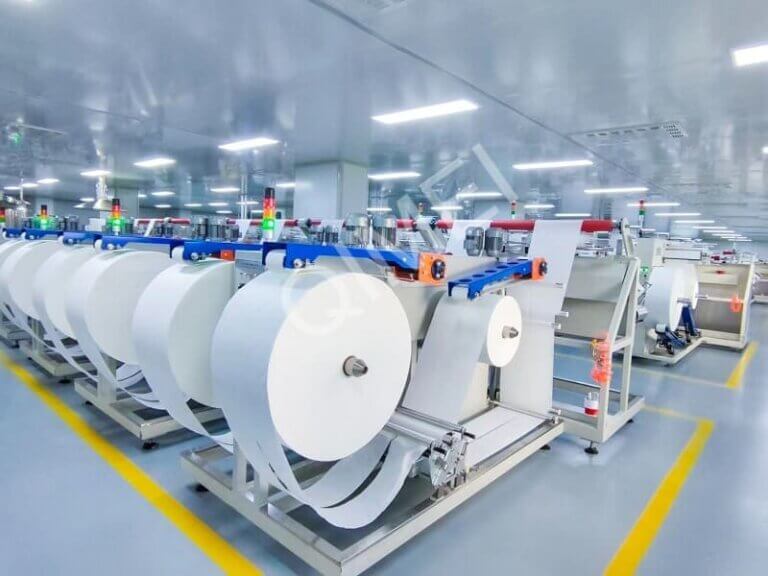
A product that performs well as a hand-made sample may not always behave the same way during large-scale production. The wet wipe factory must be able to maintain the same fabric, formula, folding, lotion loading and packing performance from the first production run to repeat orders.
This is especially important for private label wet wipes because brand owners depend on product consistency. A change in substrate texture, lotion level or packaging film can affect how the wipe feels, smells, dispenses and retains moisture.
A reliable wipe manufacturer should use approved raw-material specifications and quality-control procedures to monitor key points during production. Buyers should request finished-pack samples whenever there is a meaningful change to material, formula, dimensions or packaging.
Cost also needs to be considered as part of the full product design. The price of water baby wipes depends on many factors, including:
- Fabric composition and GSM
- Open wipe size
- Lotion loading and formula complexity
- Pack count and folding method
- Packaging film and closure type
- Printing requirements
- Carton configuration
- Order quantity
- Testing and compliance requirements
The lowest-cost option may not provide the right shelf appeal or consumer experience. At the same time, a higher-cost specification is not automatically better if the consumer cannot feel or understand the added value. The goal is to develop a product that fits the brand’s price point and target customer.
Water Baby Wipes Can Strengthen a Private Label Portfolio
For retailers and distributors, water baby wipes can work as both a core product and a premium upgrade within a wider baby-care range.
A brand may launch a simple three-tier structure:
- Everyday baby wipes for value-focused customers
- Fragrance-free baby wipes for sensitive-skin positioning
- Water baby wipes for newborn and premium clean-label positioning
This allows the brand to meet different price points without confusing consumers. It also gives buyers more flexibility when discussing private label wet wipes with retailers, wholesalers and online sales channels.
A water-based range can also lead to related products, such as water baby wipes with plant-based material, travel packs, refill packs or extra-large wipes for toddlers. The most practical expansion strategy depends on consumer demand, target pricing and the capabilities of the selected baby wipes manufacturer.
Why OEM Experience Matters for Water Baby Wipes
A wet wipe OEM partner should understand that baby-care wipes require more than attractive packaging. Product safety, material suitability and repeatable manufacturing are fundamental.
The supplier must be able to translate a brand concept into a production-ready specification. This includes confirming what can realistically be achieved at the proposed MOQ, which claims need supporting evidence and whether the selected packaging can protect the product during shipping and storage.
For a new brand, working with an experienced wet wipe manufacturer can reduce costly revisions before launch. For an established brand, the right wet wipe supplier can provide more options for product upgrades, cost optimization and market expansion.
The best private label baby wipes are developed through collaboration. The buyer defines the target consumer and market position; the manufacturer helps convert that vision into a stable, scalable and commercially practical product.
Final Thoughts
Water baby wipes are becoming a must-have category because they respond to a clear consumer preference: gentle baby care with straightforward product positioning.
For private label brands, success depends on more than a water-based message. The fabric, formula, packaging, testing and wet wipe factory controls must work together.
QIMEI supports private label wet wipes and baby wipes OEM projects with customizable materials, water-led formulas, packaging options and export-focused production support. Contact our team to develop water baby wipes that fit your brand, market and target price point.
Contact QIMEI to to launch your own wet wipes brand.