 Meet Qimei at PLMA Chicago 2026 · November 15–17, 2026 · Booth #H3029
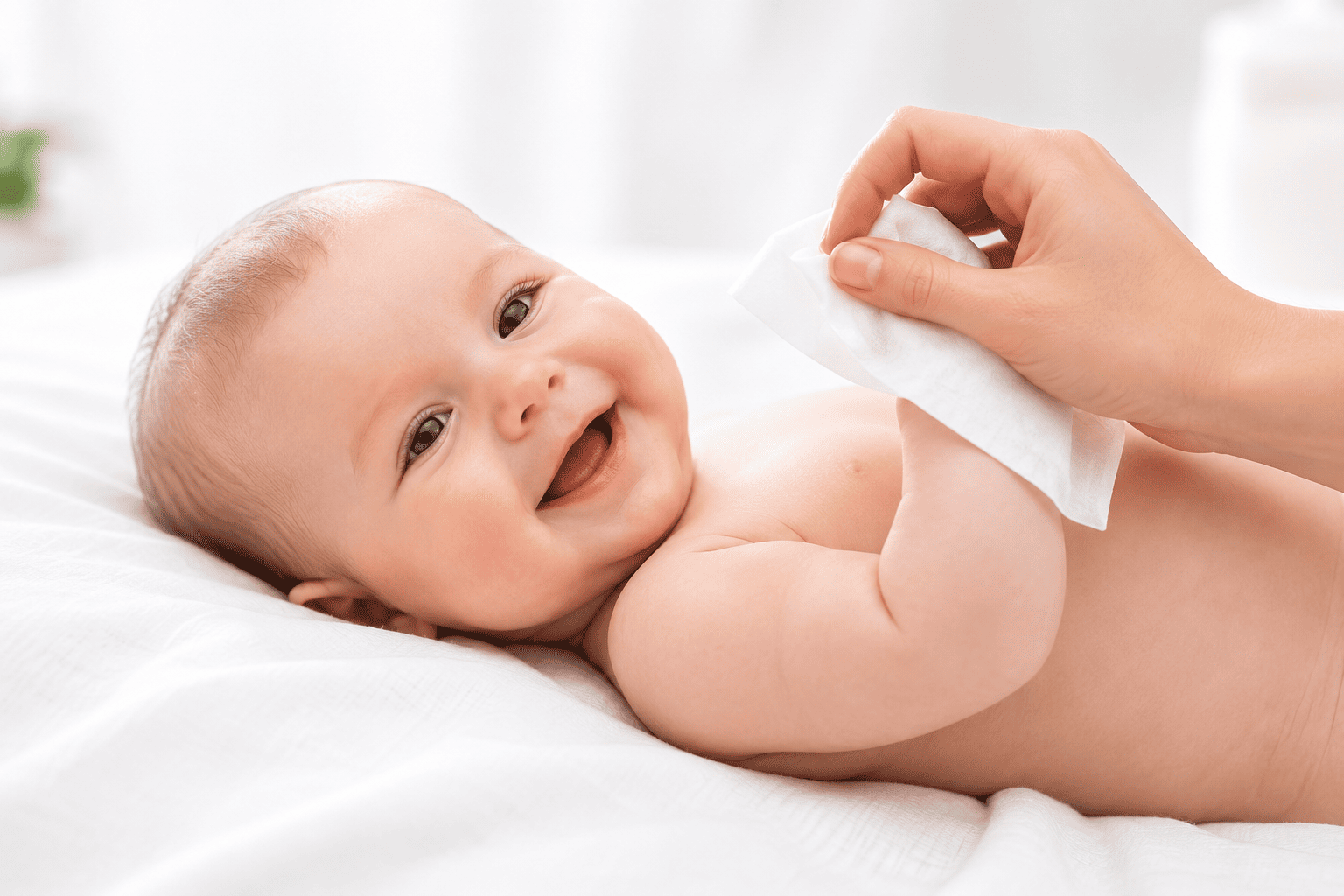
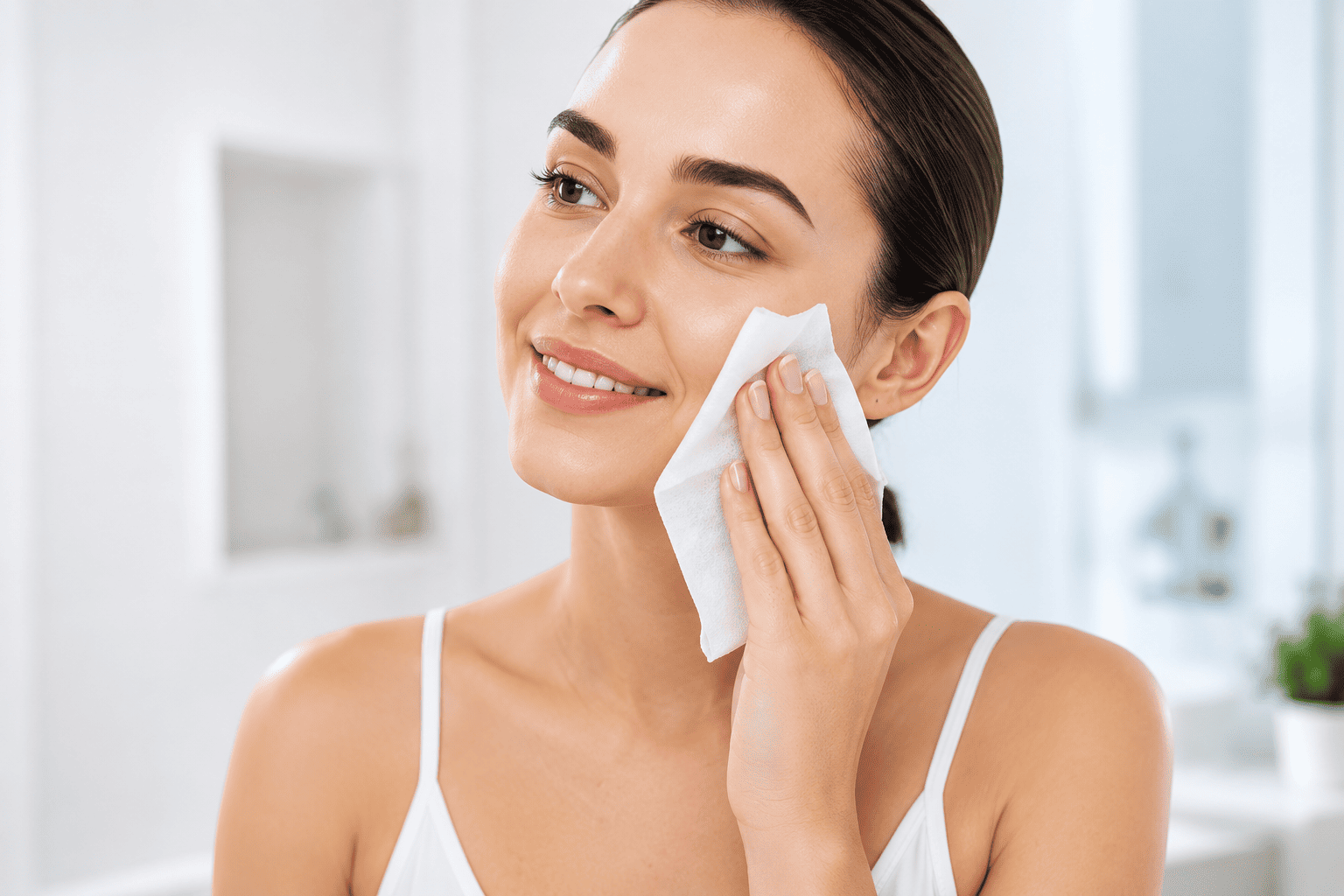
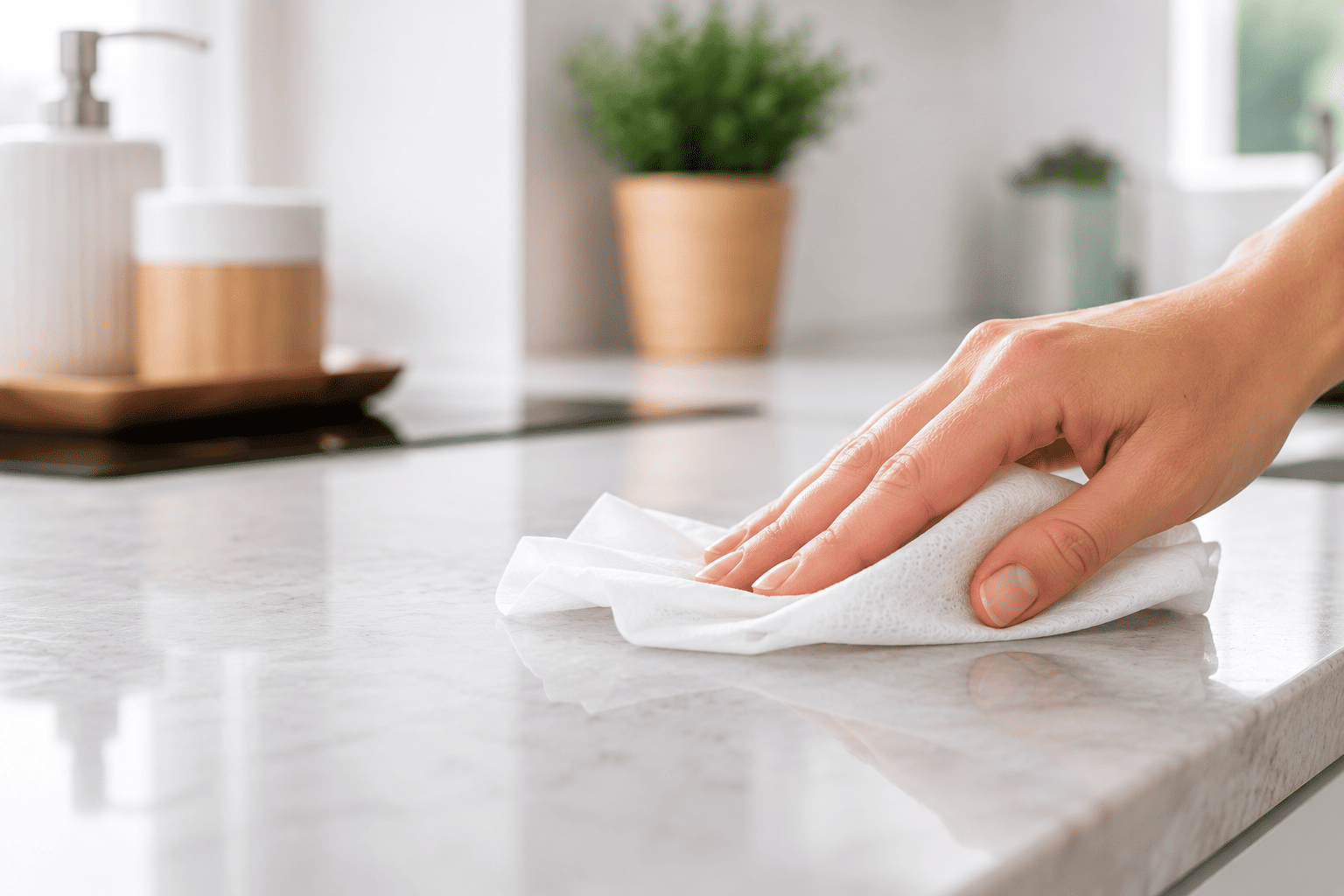
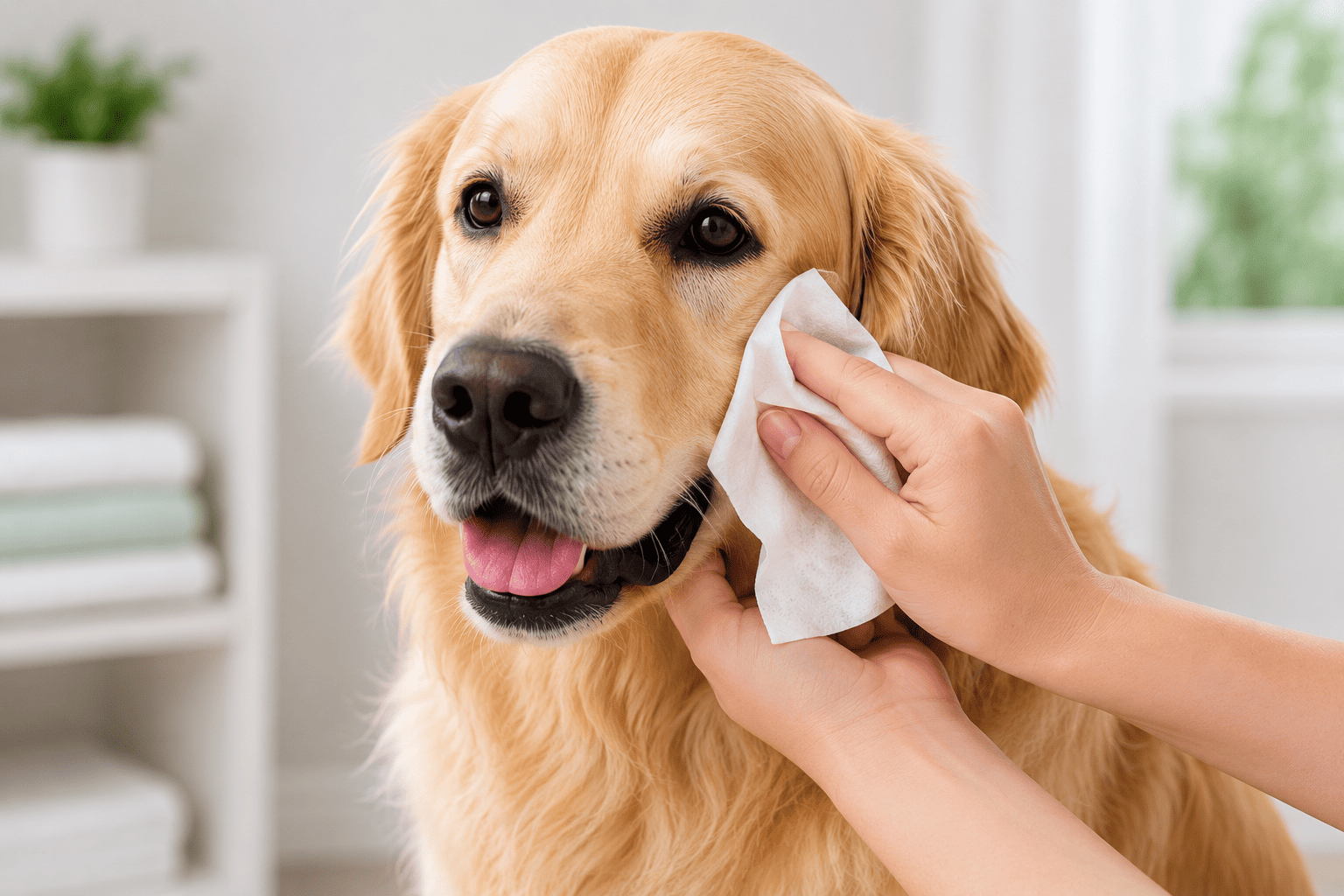
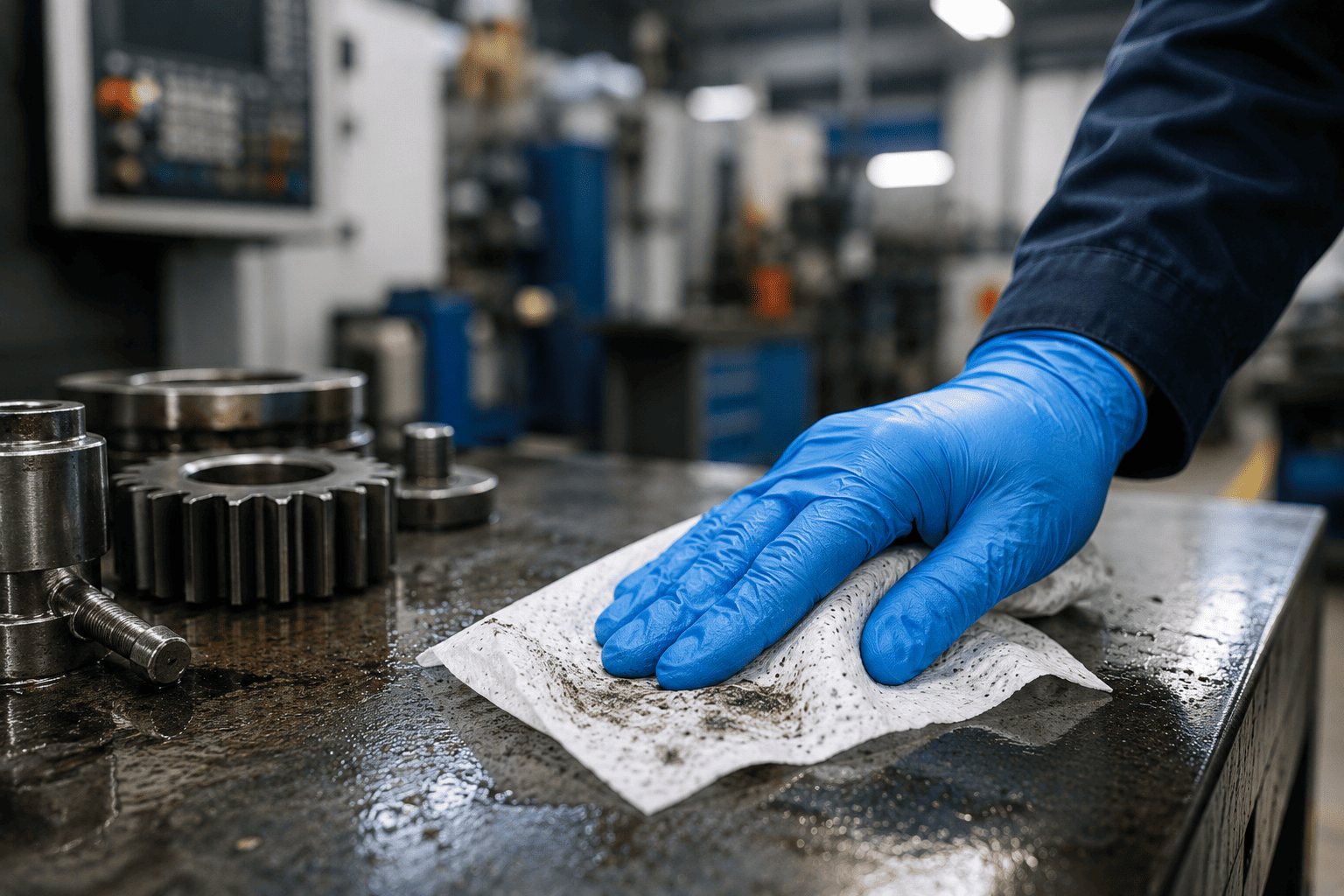



A wet wipe can feel strong when it is dry but stretch, tear or lose shape after it absorbs lotion. This is why dry strength alone is not enough to judge wipe quality.
For wet wipes manufacturers, wet strength is a key part of product development. It affects how the wipe performs during use, how it pulls from the pack and how consumers judge the product. For private label wet wipes, the goal is simple: the finished wipe should stay intact for its intended task without feeling unnecessarily stiff or heavy.
This article explains the difference between wet strength and dry strength, what affects both properties and what buyers should include in a wet wipe specification.
What Is Dry Strength in Wet Wipes?
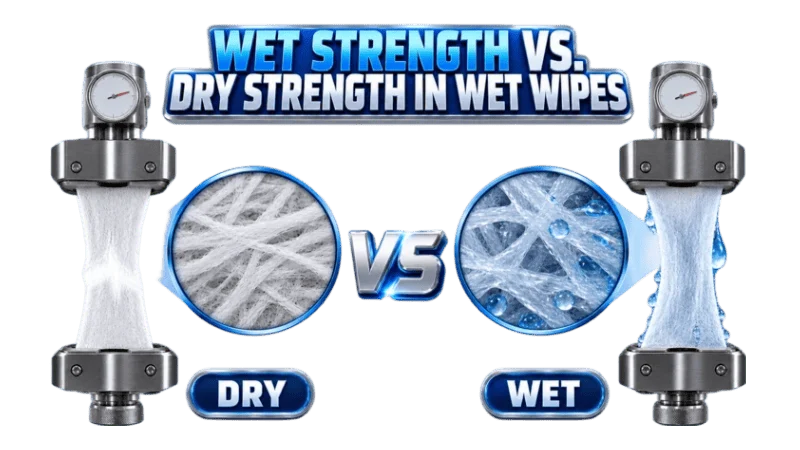
Dry strength describes how much force a nonwoven material can withstand before it breaks when tested in a dry condition.
Tensile testing is commonly used to measure this property. A fabric strip is pulled in a controlled direction until it breaks. The result may include breaking force and elongation, which shows how much the material stretches before failure.
In wet wipes manufacturing, dry strength helps evaluate the basic integrity of the nonwoven. It can show whether the web formation, fiber blend and bonding process are creating a stable material.
However, a dry wipe is not how consumers use the product. A baby wipe, body wipe or cleaning wipe is normally saturated with a water-based formula. That is why dry results need to be considered together with wet-state performance. EDANA defines wet strength as a fabric’s resistance to tearing when wet, usually compared with its dry strength.
What Is Wet Strength?
Wet strength describes how well a wipe resists tearing, stretching or breaking after it has been wetted.
For a wet wipe, this is often the more practical result. The wipe must hold together while it is pulled from the package, unfolded, pressed against a surface and moved across skin, furniture, tools or equipment.
Wet strength does not mean that every wipe needs to be extremely strong. A facial wipe, baby wipe and industrial wipe have different performance targets. The right level depends on the intended application.
A gentle baby wipe may need soft handling and moderate strength. A kitchen or industrial wipe may need more resistance to pulling and scrubbing. The important point is that the wipe should meet its agreed performance requirement after being loaded with the final formula.
Why Can a Strong Dry Wipe Become Weak When Wet?
Nonwoven fabric is made from fibers arranged into a web and then bonded or entangled to create integrity. When the material becomes wet, the relationship between fibers, liquid and bonding structure changes.
This does not mean all wet wipes become weak. It means that the material must be designed and tested for the wet state.
Fiber type, fiber length, web structure, bonding method and liquid exposure can all influence the result. Research on hydroentangled nonwovens has found that wet tensile performance is affected by raw-fiber selection, fiber length and water-jet processing conditions.
A dry test may confirm that the base substrate looks acceptable. But it cannot fully predict how the wipe will behave after lotion loading, folding, stack compression and consumer use.
That is why a wet wipes supplier should provide samples that reflect the final product, not only a dry nonwoven swatch.
Fiber Composition Is the Starting Point
Wet wipes raw material has a major influence on both dry and wet strength.
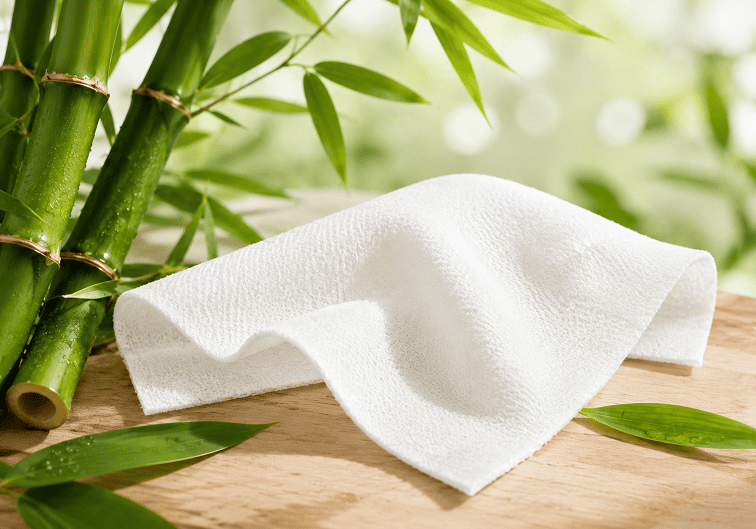
Common wipe substrates may use viscose, polyester, lyocell, wood pulp, cotton or blended fibers. Each option has different absorbency, hand feel, structure and wet-use behavior. The final result depends on the full material design, not only the name of one fiber.
For example, a blend may be selected to balance softness, liquid absorption and durability. A cellulose-rich material may support a soft, absorbent feel, while synthetic fibers can contribute structural stability. But the exact wet performance should always be confirmed through testing of the actual substrate and formula.
Research on biodegradable hydroentangled wipes has shown that physical and mechanical properties can vary with fiber composition, fabric mass, thickness and density.
For buyers comparing bulk wet wipes, the material description should be more detailed than “spunlace” or “60 GSM.” Ask for the fiber composition, blend ratio, material code, embossing pattern and relevant strength targets.
How Hydroentanglement Affects Strength
Many wet wipes use spunlace, also called hydroentangled nonwoven fabric. In this process, fine high-pressure water jets entangle fibers and consolidate the web.
Hydroentanglement is a mechanical bonding method. The final strength depends on how the web is formed, how fibers are arranged and how the water-jet process is controlled. EDANA notes that web formation and consolidation are central to achieving the desired integrity and strength of a nonwoven fabric.
Changes in hydroentanglement conditions can affect tensile strength, thickness, softness, absorbency and elongation. Research has shown that water-jet pressure and fiber length can change the wet tensile strength of hydroentangled nonwovens.
This is one reason why two materials with the same basis weight can perform differently. They may have the same GSM on paper but use different fibers, web structures or bonding settings.
Machine Direction and Cross Direction Matter
A nonwoven wipe may perform differently depending on the direction in which it is pulled.
Machine direction refers to the direction the material travels during production. Cross direction runs across the width of the web. Fiber orientation can influence tensile strength and elongation in each direction.
For example, EDANA explains that a parallel-laid carded web can have good tensile strength in the machine direction but different elongation and tear behavior in the cross direction.
This matters in wet wipes production because consumers do not always pull a wipe in the same direction. A wipe may be extracted from a pack, stretched during unfolding or used with force at different angles.
For this reason, a complete specification should state whether strength requirements apply in the machine direction, cross direction or both.
Why GSM Does Not Define Wet Strength
GSM means grams per square meter. It describes the dry mass of material across a given area.
A higher GSM can mean more fiber is present. But it does not automatically guarantee higher wet strength.
Two 60 GSM materials can feel and perform very differently. One may be lofty and soft. Another may be compact and dense. One may use a different fiber blend, longer fibers, stronger bonding or a different embossing pattern.
The same principle applies to wet strength. A higher-GSM wipe may still perform poorly after wetting if its fiber blend or bonding structure is not suitable for the intended use.
Buyers should therefore avoid approving a wipe based only on GSM, price per pack or dry hand feel. A reliable wet wipes manufacturer should compare the complete material performance: dry tensile strength, wet tensile strength, thickness, absorbency, lotion compatibility and finished-pack dispensing.
The Formula Can Change Real-World Performance
The lotion inside the pack is part of the product system.
A water-based formula may contain humectants, surfactants, preservatives, skin-conditioning ingredients or other functional components. These ingredients are selected for the intended product, but they can also affect how the substrate feels and behaves after wetting.
A dry tensile result does not show the effect of the final formula. Testing with plain water can be useful during early material screening, but the final approval sample should use the intended lotion, loading level and storage condition.
This is especially important for branded wet wipes with sensitive-skin, cosmetic, cleaning or industrial-use positioning. The formula, substrate and packaging should be developed together.
Packaging and Dispensing Can Reveal Strength Problems
A wipe may pass a laboratory tensile test and still perform poorly in a finished pack.
The consumer experience starts when the first wipe is removed. If the stack is tightly compressed, the wipe may stretch at the opening. If the interfold overlap is too aggressive, multiple wipes may pull together. If the package opening is too narrow, the material may tear during extraction.
This is why custom printed wet wipes manufacturers and suppliers should not treat packaging as a separate step. Pack dimensions, opening size, closure type, folding method, lotion loading and wipe strength all affect dispensing.
Finished-pack testing should cover the first, middle and final wipes. It should also include repeated opening and resealing, storage checks and transport simulation where relevant.
How Are Wet and Dry Strength Tested?
A wet wipe project does not need one universal test target. It needs a clear, repeatable method that matches the product’s use.
EDANA and INDA publish Nonwovens Standard Procedures to help the industry describe and test nonwoven properties consistently. These methods cover the structure and performance of nonwoven materials and are used alongside relevant ISO or CEN methods.
A practical test plan may include the following:
| Test Area | What It Helps Evaluate |
|---|---|
| Dry tensile strength | Basic material integrity before lotion loading |
| Wet tensile strength | Resistance to breaking after defined wetting |
| Elongation | How much the wipe stretches before it breaks |
| Tear resistance | Resistance to a tear starting or continuing |
| Absorbency and liquid release | How the wipe handles the formula during use |
| Dispensing test | Whether wipes pull smoothly from the finished pack |
| In-use evaluation | Whether the wipe remains intact for the intended task |
The supplier and buyer should agree on the sample size, conditioning method, wetting liquid, testing direction, machine settings, number of samples and acceptance limits before mass production begins.
Without this detail, two test reports may use different conditions and be difficult to compare.
What Should Private Label Buyers Put in the Specification?
A purchase order that says only “soft spunlace wipes” leaves too much room for interpretation.
For private label wet wipes and OEM wet wipes, a practical specification should include:
- Fiber composition and blend ratio
- Nominal GSM and tolerance
- Wipe dimensions and tolerance
- Embossing or surface pattern
- Dry tensile-strength requirement
- Wet tensile-strength requirement
- Required machine-direction and cross-direction results
- Wetting medium or final formula used for testing
- Lotion loading level
- Fold type and stack arrangement
- Pack count, closure and packaging format
- Inspection method and acceptance criteria
- Approved material and packaging references
- Change-control process for material, formula or production settings
This level of detail helps wet wipes manufacturers in China and international buyers compare like for like. It also helps prevent a common problem: approving one sample, then receiving a bulk order made from a technically different material with the same nominal GSM.
Why Strength Balance Matters for Brand Wipes
More strength is not always better.
An overly strong wipe may feel stiff, thick or less comfortable for a delicate application. A wipe that is too weak may tear, stretch excessively or create a poor user experience.
The best result is a balanced one. The substrate should be strong enough in the wet state for its intended use while maintaining the softness, absorbency and appearance the brand needs.
For baby wipes, personal care wipes and cosmetic products, that balance often centers on softness and gentle handling. For household, kitchen or industrial products, it may place more emphasis on scrubbing durability and wet tear resistance.
The product category should guide the test standard—not the other way around.
Final Thoughts
Dry strength is useful, but wet strength is what many consumers actually feel.
A good wet wipe should remain intact after it absorbs its final formula, passes through the packing process and is removed from the finished pack. Fiber composition, web structure, hydroentanglement, lotion, fold and packaging all contribute to that result.
When comparing wet wipes suppliers, do not ask only for GSM or a dry fabric sample. Ask how the product performs wet, how it is tested and whether the test conditions match the final wipe.
QIMEI supports OEM wet wipes and private label wet wipes development from wet wipes raw material selection through finished-pack testing. Contact our team to discuss a wipe specification built around the real performance your market expects.
References
- EDANA. Glossary of Nonwovens — definitions for tensile strength, wet strength, tear resistance and related terms. https://www.edana.org/glossary
- EDANA. How Are Nonwovens Made? — web formation, fiber orientation and bonding methods. https://www.edana.org/nw-related-industry/how-are-nonwovens-made
- EDANA. Nonwovens Standard Procedures (NWSP). https://www.edana.org/knowledge-hub/resources/publications/nonwovens-standard-procedures
- Deng, C., Gong, R. H., Huang, C., Zhang, X., & Jin, X.-Y. (2019). Tensile Strength and Dispersibility of Pulp/Danufil Wet-Laid Hydroentangled Nonwovens. Materials, 12(23), 3931. https://doi.org/10.3390/ma12233931
- Soukupova, P., Boguslavsky, L., & Anandjiwala, R. D. (2007). Studies on the Properties of Biodegradable Wipes Made by the Hydroentanglement Bonding Technique. Textile Research Journal, 77(5), 301–308. https://doi.org/10.1177/0040517507078239
- Long, Y., et al. (2018). Environmentally Friendly and Breathable Wet-Laid Hydroentangled Nonwovens for Personal Hygiene Care with Excellent Water Absorbency and Flushability. Royal Society Open Science, 5, 171486. https://doi.org/10.1098/rsos.171486