 Meet Qimei at PLMA Chicago 2026 · November 15–17, 2026 · Booth #H3029
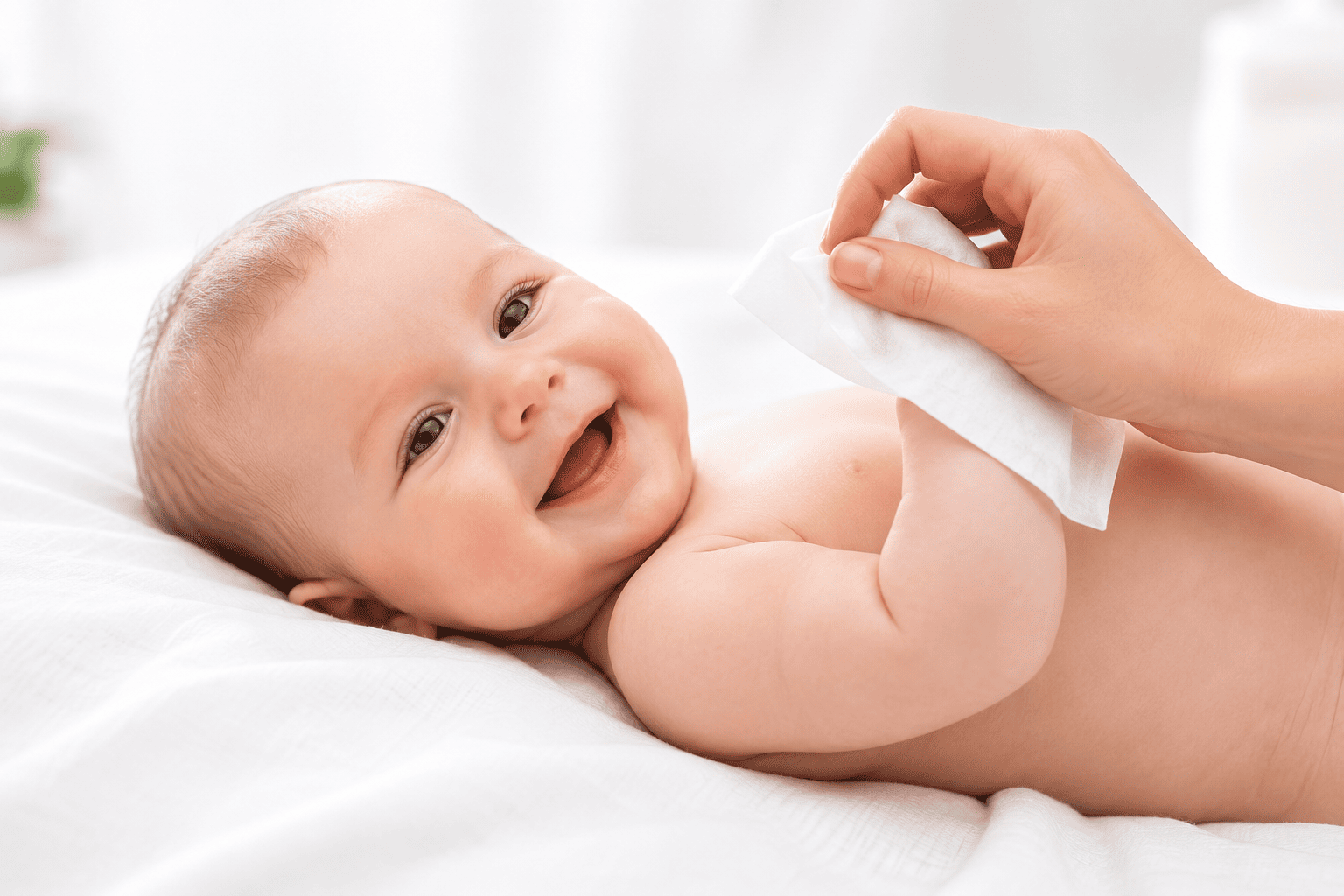
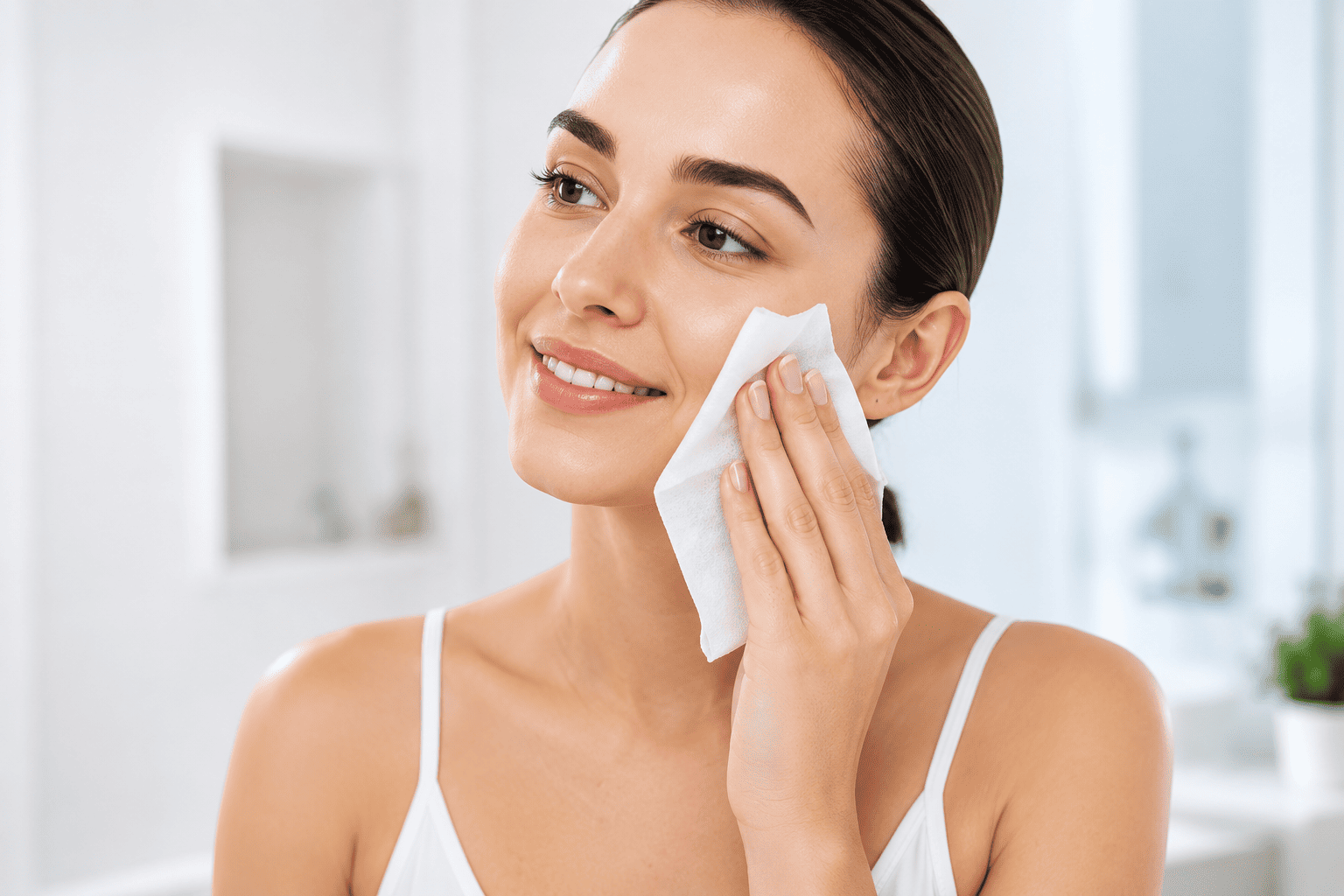
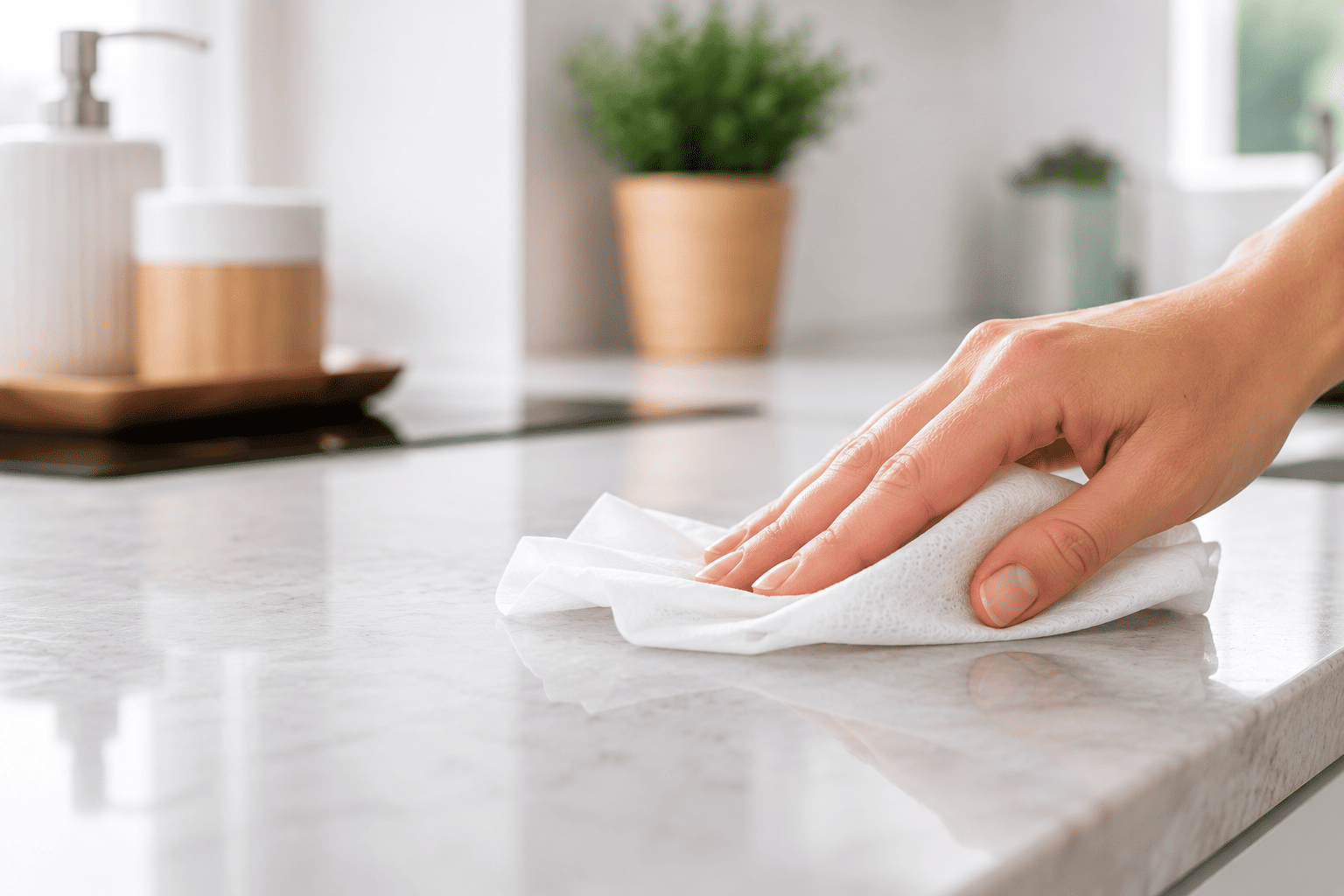
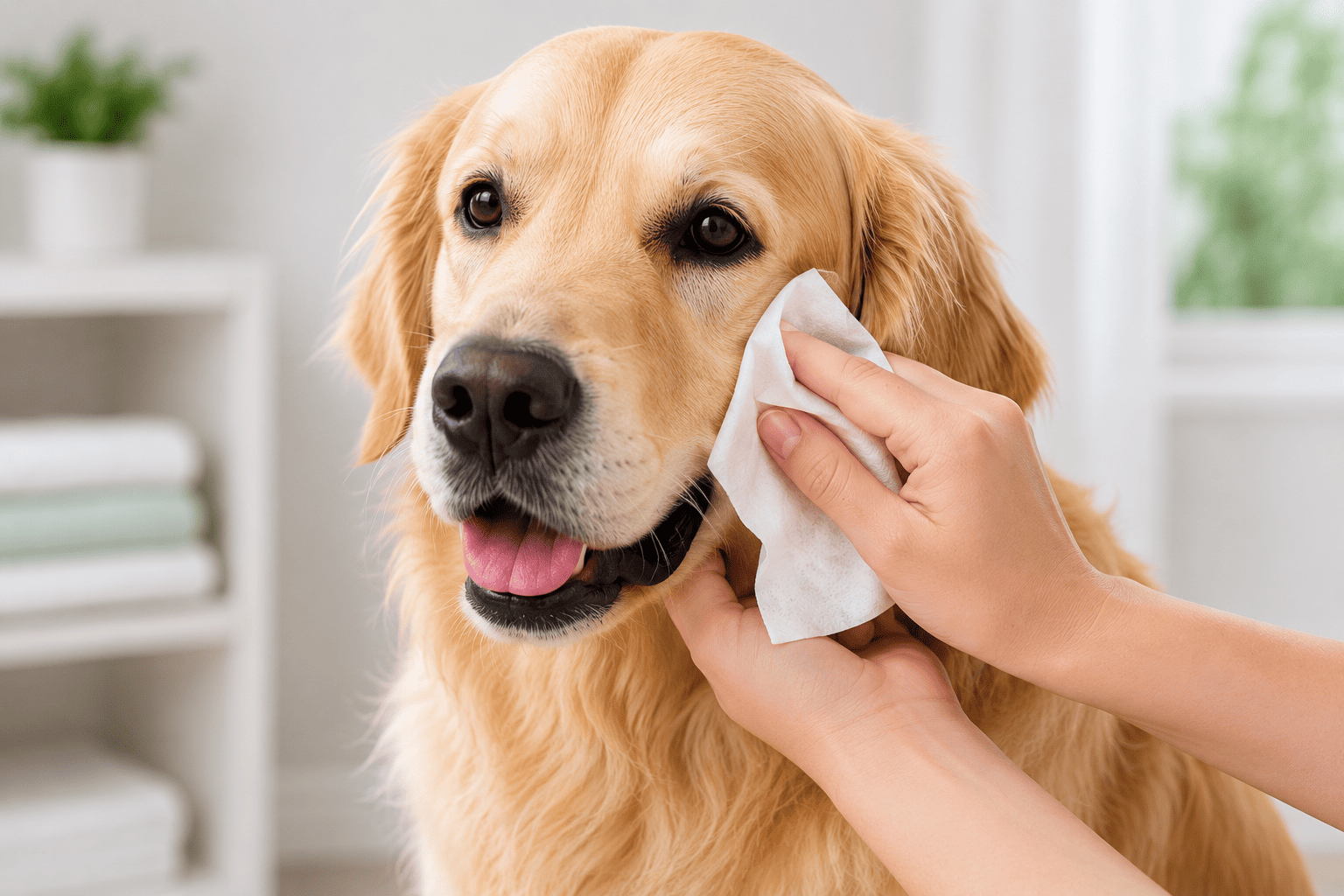
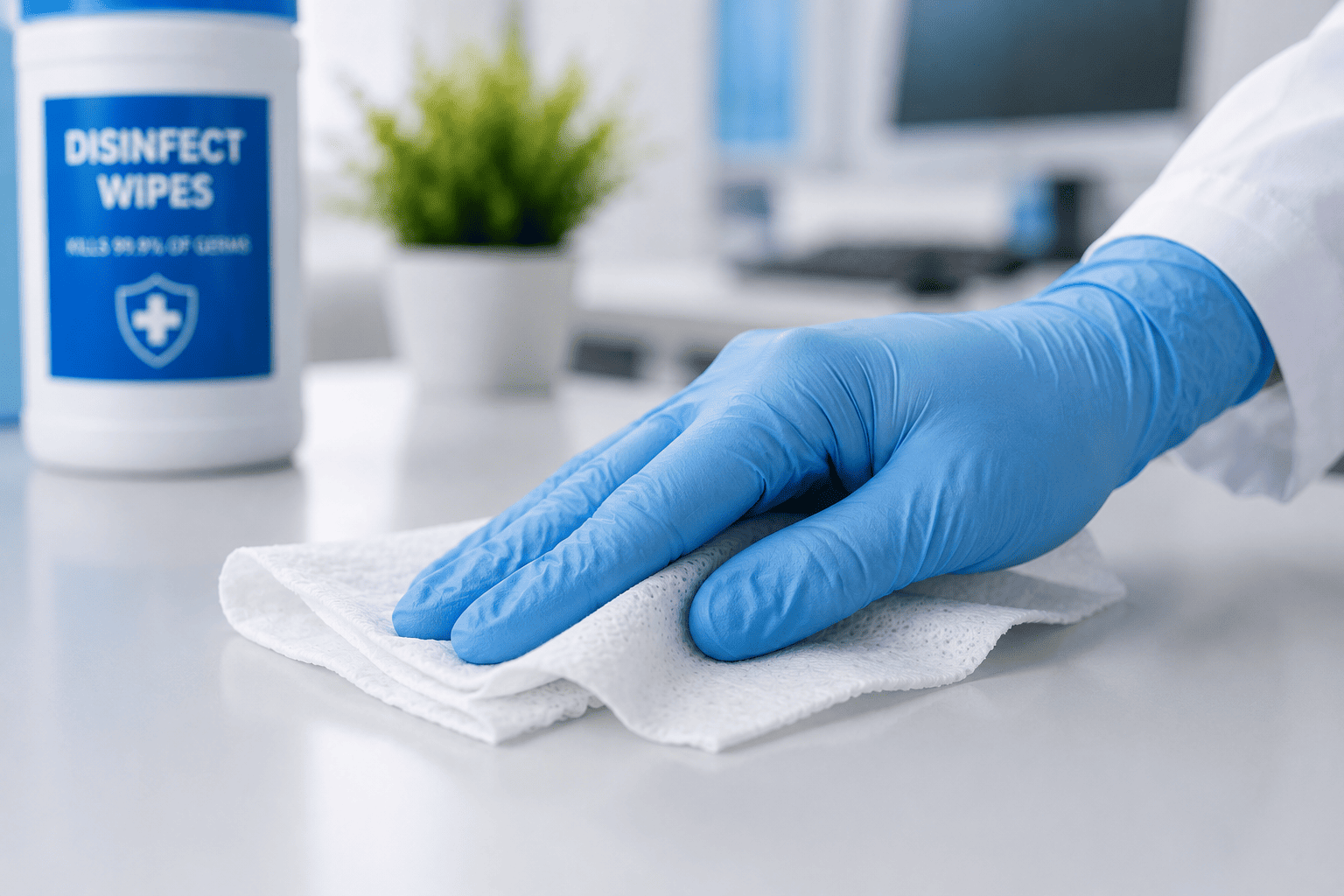
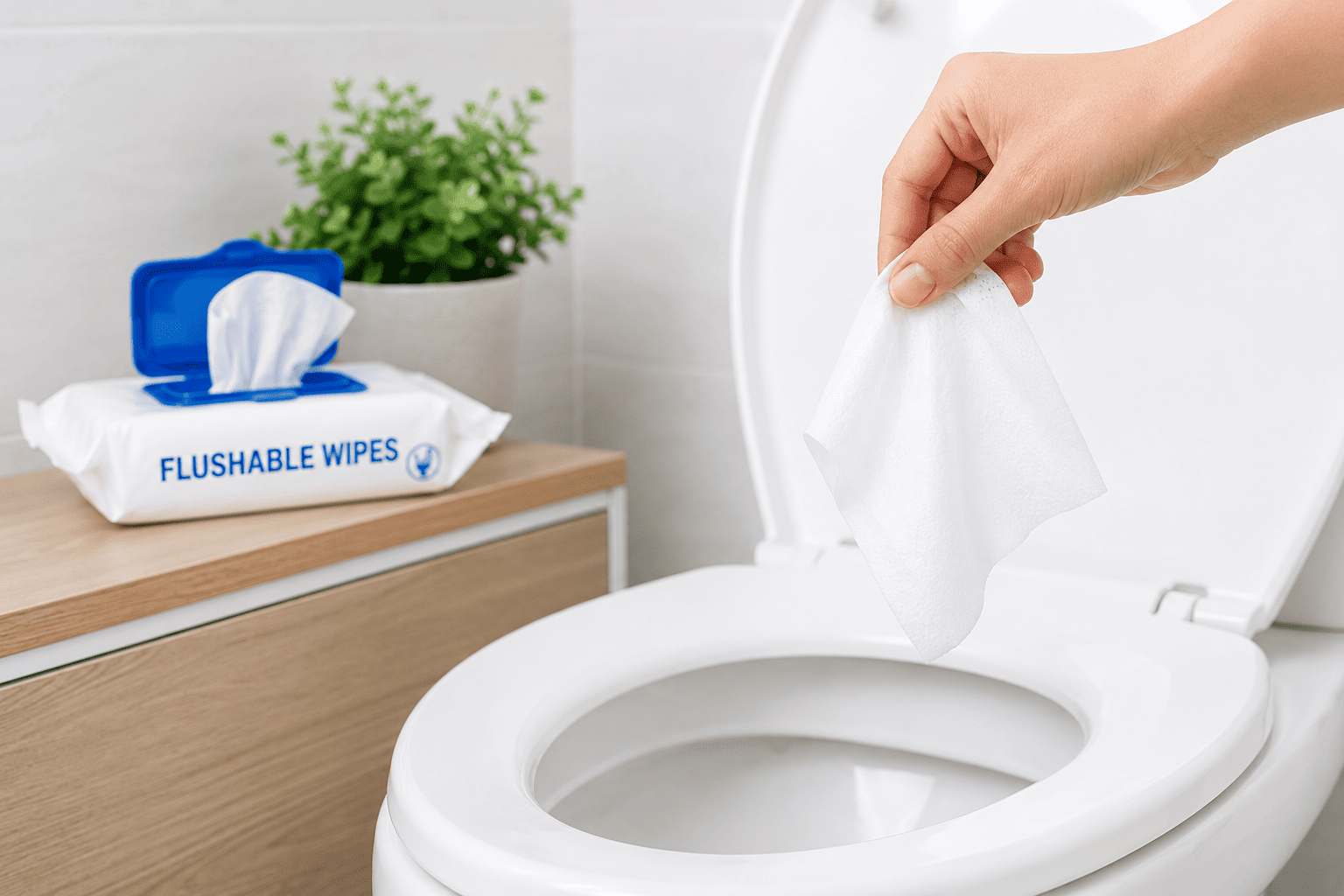
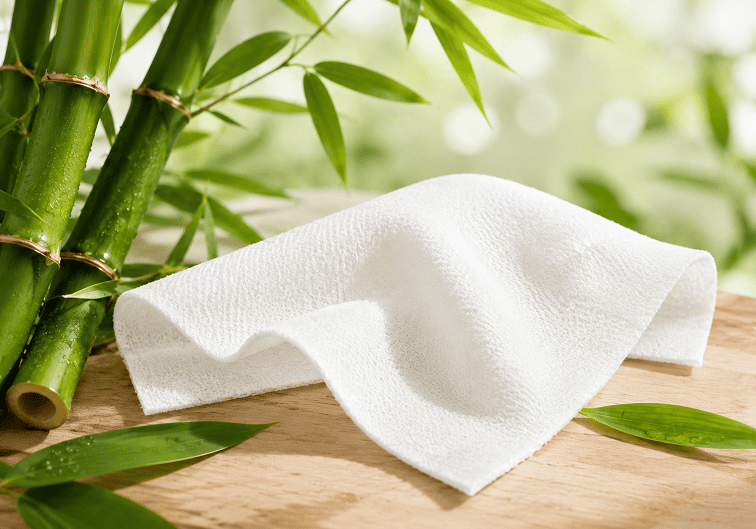




Spunlace nonwoven fabric is one of the most widely used materials in wet wipes. It can be soft enough for baby care, strong enough for household cleaning, and flexible enough for many private label wet wipes formats.
For buyers, it is useful to understand that spunlace is not one single material. It is a manufacturing method. The final fabric can vary greatly depending on the fibers, basis weight, web structure, water-jet process and finishing method.
That is why two wipes with the same GSM can still feel very different in the hand. One may feel soft and cloth-like. Another may be stronger, denser or more textured. For wet wipes manufacturers, the goal is to match the material to the product’s intended use, price point and packaging format.
What Is Spunlace Nonwoven Fabric?
Spunlace is another name for hydroentangled nonwoven fabric. It is made by using fine, high-pressure water jets to entangle loose fibers into a stable fabric.
Unlike woven fabric, spunlace does not require yarns to be woven together. Unlike some bonded nonwovens, it can be made with little or no added binder. The water jets mechanically interlock the fibers and create the finished web structure.
INDA defines spunlacing as a method that bonds a web by interlocking fibers with high-velocity streams of water. It also notes that spunlace is synonymous with hydroentangling.
This process is widely used for wet wipes because it can produce a soft, absorbent and relatively strong material. The exact result depends on the selected wet wipes raw material and the settings used during production.
Step 1: Selecting the Fibers
The process begins with fibers. A spunlace fabric may use one fiber type or a blend of several fibers.
Common options include:
- Viscose
- Polyester
- Lyocell
- Cotton
- Wood pulp
- Cellulose-based fibers
- Blended fiber systems
Each option brings different properties. Viscose and lyocell are often selected for softness and liquid absorbency. Polyester can add wet strength and dimensional stability. Cotton can support a natural-fiber product position. Wood pulp may be included in selected wipe structures.
There is no universal “best” fiber. A baby wipe, a kitchen wipe and an industrial wipe have different requirements. A soft facial wipe may need a different blend from a durable surface-cleaning wipe.
For example, research on hydroentangled wipes has compared different fiber blends by mass, thickness, dry and wet tensile properties, elongation, liquid absorption and simulated-use durability. The results show why fiber selection should be evaluated as part of the complete wipe specification, not as a marketing claim alone.
When sourcing material, buyers should request the exact fiber composition. Terms such as “plant-based,” “bamboo,” “biodegradable” or “plastic-free” should be confirmed against the actual fabric construction and the claims planned for the destination market.
Step 2: Opening, Blending and Carding the Fibers
Most spunlace production begins with staple fibers supplied in bales. The fibers are opened, cleaned and blended before they are formed into a loose web.
In a dry-laid carding process, the fibers move through opening and blending equipment and then enter a carding machine. The card uses wire-covered rollers to comb and arrange the fibers into a thin web.
EDANA explains that carding starts with fiber bales that are opened and blended before being combed into a web. The machine settings, fiber mix and web arrangement can all be adjusted to create different fabric properties.
The web can be laid mainly in the machine direction, cross-lapped, or arranged in a more randomized structure. This affects the balance between machine-direction and cross-direction strength.
For some products, manufacturers may use wet-laid or air-laid web formation instead. Wet-laid systems form a web from a water-and-fiber slurry, while air-laid systems use an air stream to distribute short fibers. The route depends on the material structure and the finished product target.
Step 3: Building the Web to the Required Weight
A single carded web is very light and fragile. Several layers may be combined to reach the required basis weight, usually stated as GSM.
GSM means grams per square meter. It tells buyers the dry weight of the nonwoven fabric, but it does not describe every performance property.
A higher GSM may create a heavier or fuller wipe, but it may also increase stack height and material cost. A lower GSM can reduce cost and create a slimmer pack, but the wipe still needs enough wet strength for its intended task.
At this stage, the manufacturer considers:
- Fiber blend
- Fiber length and fineness
- Target GSM
- Web orientation
- Required softness
- Required wet strength
- Absorbency target
- Surface texture
- Finished wipe size
For branded wet wipes, these choices should match the brand position. A value-range wipe, a premium baby wipe and a bulk wet wipes product for commercial use may all require different material structures.
Step 4: Hydroentanglement With Water Jets
This is the key spunlace stage.
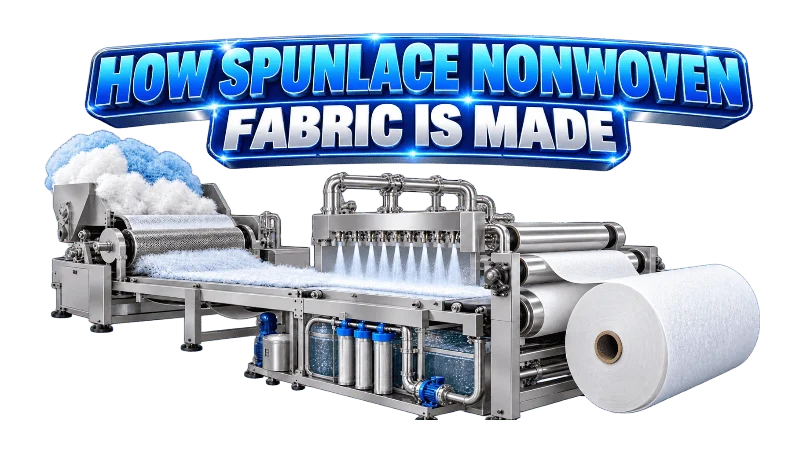
The loose fiber web passes under rows of fine, high-pressure water jets. The jets push fibers into and around one another, creating mechanical entanglement. As the web moves across a support belt or drum, the water pressure and surface pattern help form the final fabric structure.
EDANA describes hydroentanglement as a mechanical bonding method commonly applied to carded or wet-laid webs. Fine, high-pressure water jets cause the fibers to interlace, and the water-jet arrangement can also create visual or textural effects.
The support surface matters. A smooth belt can create a more uniform wipe surface. A patterned belt or drum can create apertures, dots, mesh effects or other textures.
The hydroentanglement settings affect several final properties:
| Process Factor | Effect on the Finished Spunlace Fabric |
|---|---|
| Fiber composition | Influences softness, absorbency and wet strength |
| Water-jet energy | Affects fiber entanglement and fabric strength |
| Web weight | Influences bulk, strength and final wipe cost |
| Support-belt pattern | Creates texture, apertures or surface appearance |
| Fiber orientation | Changes directional strength and stretch |
| Finishing method | Can alter hand feel, absorbency or surface behavior |
Water-jet pressure has a direct effect on web strength, but stronger is not always better. The material must still feel appropriate for its end use. A wipe intended for sensitive skin usually needs a different balance from a heavy-duty cleaning wipe.
Step 5: Removing Water and Drying the Fabric
After hydroentanglement, the fabric contains a large amount of process water. It must be dewatered and dried before it can be wound into rolls.
The exact drying system varies by production line. The goal is to remove water efficiently while keeping the fabric structure stable and consistent.
At this point, the material begins to show its final hand feel. A soft, lofty fabric can become denser if it is over-compressed. A textured material needs to retain its pattern. The fabric must also remain uniform across the full roll width.
Good process control matters here. If the material weight, appearance or strength varies too much from one section of a roll to another, it can create problems later during wet wipes manufacturing.
Step 6: Finishing, Inspection and Roll Winding
Once dry, spunlace fabric may receive additional finishing according to the product requirement. Some materials are left untreated. Others may be mechanically treated, perforated, embossed, coated or otherwise modified.
EDANA notes that finishing can tailor a nonwoven’s surface and performance, while conversion normally begins with large rolls of finished material.
Before winding, the material is typically inspected for key properties such as:
- Fiber composition
- GSM and thickness
- Fabric width
- Surface appearance
- Pattern consistency
- Tensile strength
- Elongation
- Absorbency
- Linting behavior
- Roll defects
The finished fabric is then slit and wound into rolls. These parent rolls become the starting material for wet wipes production.
How Spunlace Fabric Becomes Finished Wet Wipes
Spunlace production and wet wipe converting are connected, but they are not the same process.
A wet wipes manufacturer receives or produces nonwoven rolls, then converts the fabric into finished packs. This typically includes unwinding, cutting, folding, lotion loading, stacking and packaging.
The basic wet wipes manufacturing flow is:
- Unwind the spunlace roll.
- Cut the fabric into the required wipe dimensions.
- Apply the approved formula or lotion.
- Fold and stack the sheets.
- Pack the wipes into soft packs, canisters, sachets or refill packs.
- Seal, inspect, carton and prepare the product for shipment.
The formula, fold and packaging design must work with the fabric. A highly absorbent material may require a different lotion-loading level. A thicker fabric can increase pack height. A textured material can change how wipes separate during dispensing.
This is why buyers should evaluate the full finished pack rather than judging only a dry fabric swatch.
Why Material Choice Matters for Private Label Wet Wipes
For private label wet wipes, spunlace material is part of the product identity.
A brand may want a wipe that feels extra soft. Another may prioritize strong cleaning performance. A retailer selling value packs may focus on stable quality and competitive cost. A distributor may need bulk wet wipes with reliable carton packing and consistent lead times.
The material specification should support that goal.
When working with wet wipes manufacturers in China or other sourcing markets, buyers should provide a clear brief that includes:
- Product application
- Target country or sales channel
- Fiber preference
- Target GSM
- Wipe dimensions
- Formula requirements
- Fragrance or fragrance-free preference
- Pack count
- Packaging type
- Required claims
- Target price range
This helps the wet wipes supplier recommend a suitable spunlace option before sampling begins.
For example, custom printed wet wipes manufacturers and suppliers need to coordinate the fabric, formula, fold and packaging film together. A change in fabric thickness or wipe size after artwork approval can affect pack dimensions, sealing performance and printed-film layout.
What Buyers Should Ask About Spunlace Raw Material
A quotation that simply says “spunlace, 50 gsm” leaves too much room for interpretation.
A better specification should include the details that affect real performance:
- Exact fiber composition and blend ratio
- Nominal GSM and tolerance
- Plain, mesh, apertured or embossed surface
- Material color and visual standard
- Finished roll width
- Dry and wet strength requirements
- Absorbency or lotion-loading target
- Linting expectations
- Approved material code or supplier, if required
- Change-control procedure for material substitutions
This level of detail helps OEM wet wipes projects move more smoothly from sample approval to mass production.
It also makes quotations easier to compare. Two suppliers may offer the same wipe size and pack count, but the wet wipes raw material may be very different. A lower price can reflect a lighter GSM, a different fiber blend, a different fabric structure or a lower lotion loading.
Spunlace Fabric and the Final Consumer Experience
Consumers may never ask whether a wipe is hydroentangled. But they notice the results.
They notice whether the wipe feels soft. They notice whether it tears during use. They notice whether it is too dry, too thin, too rough or difficult to pull from the pack.
For this reason, wet wipes production should not focus on one number alone. GSM matters, but so do fiber selection, web formation, hydroentanglement, formula compatibility and pack design.
A reliable wet wipes supplier should help buyers compare several finished samples with clear specifications. This is the practical way to choose a material for baby wipes, personal care wipes, household wipes or commercial cleaning wipes.
Final Thoughts
Spunlace nonwoven fabric is made by forming a loose fiber web and bonding it through hydroentanglement. Fine water jets entangle the fibers, creating a soft and stable nonwoven fabric without traditional weaving.
The final wipe depends on much more than the word “spunlace.” Fiber blend, GSM, web structure, water-jet settings, surface pattern and finishing all shape the material’s feel and performance.
For private label and brand wet wipes projects, the best approach is simple: define the intended use, compare representative finished packs and confirm the full material specification before bulk production.
Planning a private label or bulk wet wipes project? Contact QIMEI to compare spunlace material options and develop a finished wipe that fits your market, packaging and budget.
References
- EDANA. How Are Nonwovens Made? Explains web formation, bonding, finishing and conversion, including carding and hydroentanglement.
- INDA. Nonwovens Glossary of Terms. Defines spunlacing as hydroentanglement and describes bonding by high-velocity water streams.
- Soukupova, V., Boguslavsky, L., & Anandjiwala, R. D. (2007). Studies on the Properties of Biodegradable Wipes Made by the Hydroentanglement Bonding Technique. Textile Research Journal, 77(5), 301–311. https://doi.org/10.1177/0040517507078239
- Long, Y., et al. (2018). Environmentally Friendly and Breathable Wet-Laid Hydroentangled Nonwovens for Personal Hygiene Care with Excellent Water Absorbency and Flushability. Royal Society Open Science, 5, 171486. https://doi.org/10.1098/rsos.171486