 Meet Qimei at PLMA Chicago 2026 · November 15–17, 2026 · Booth #H3029
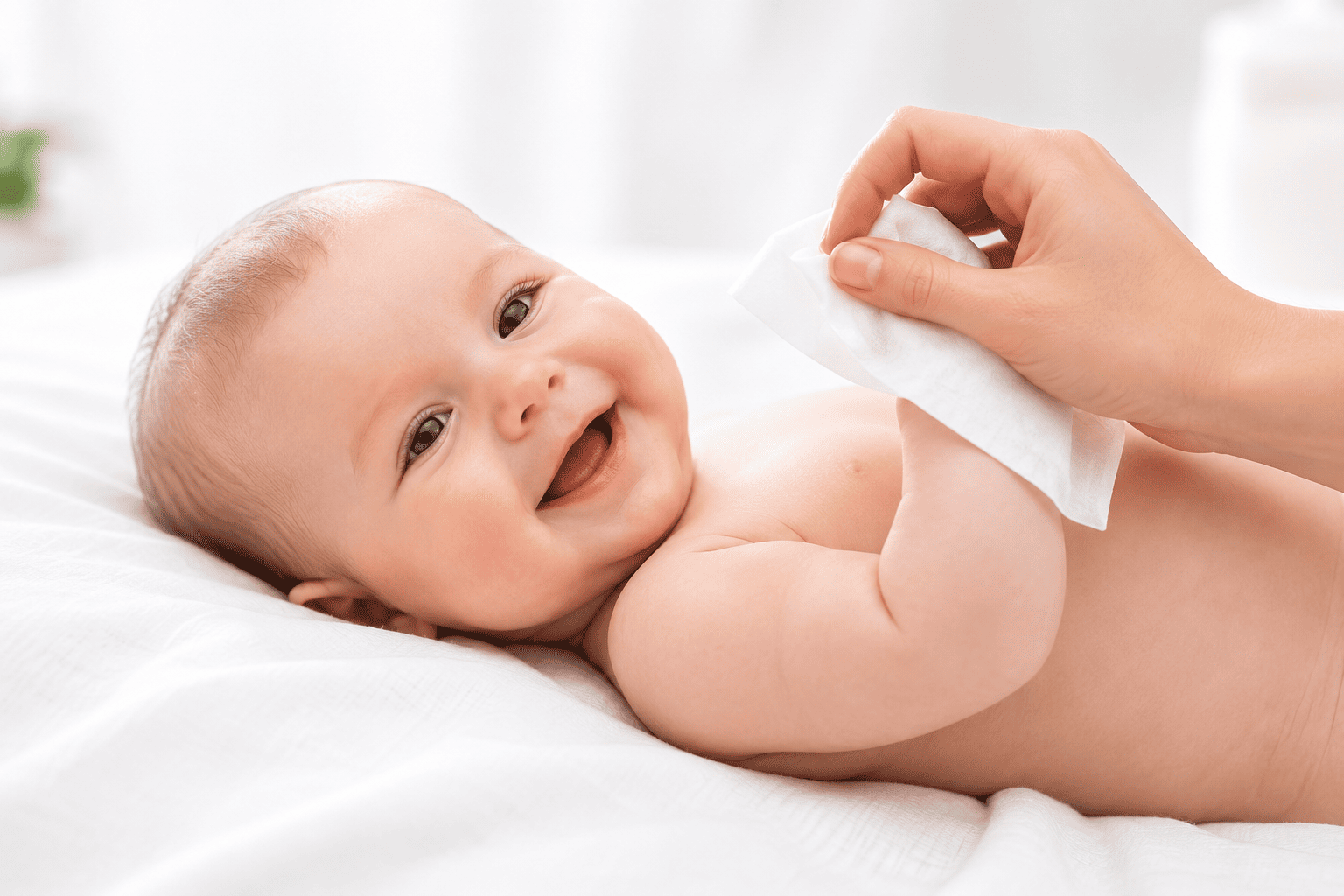
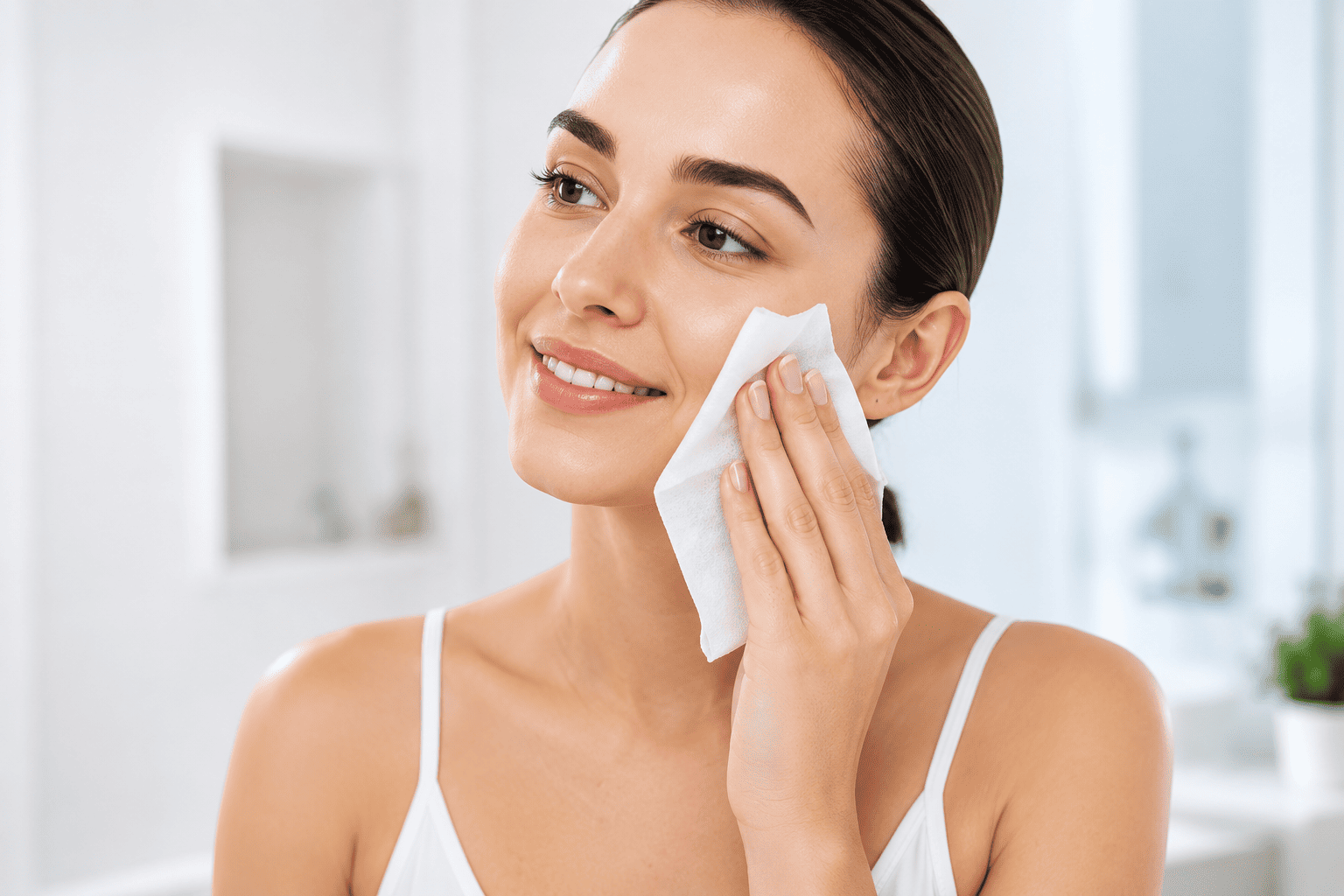
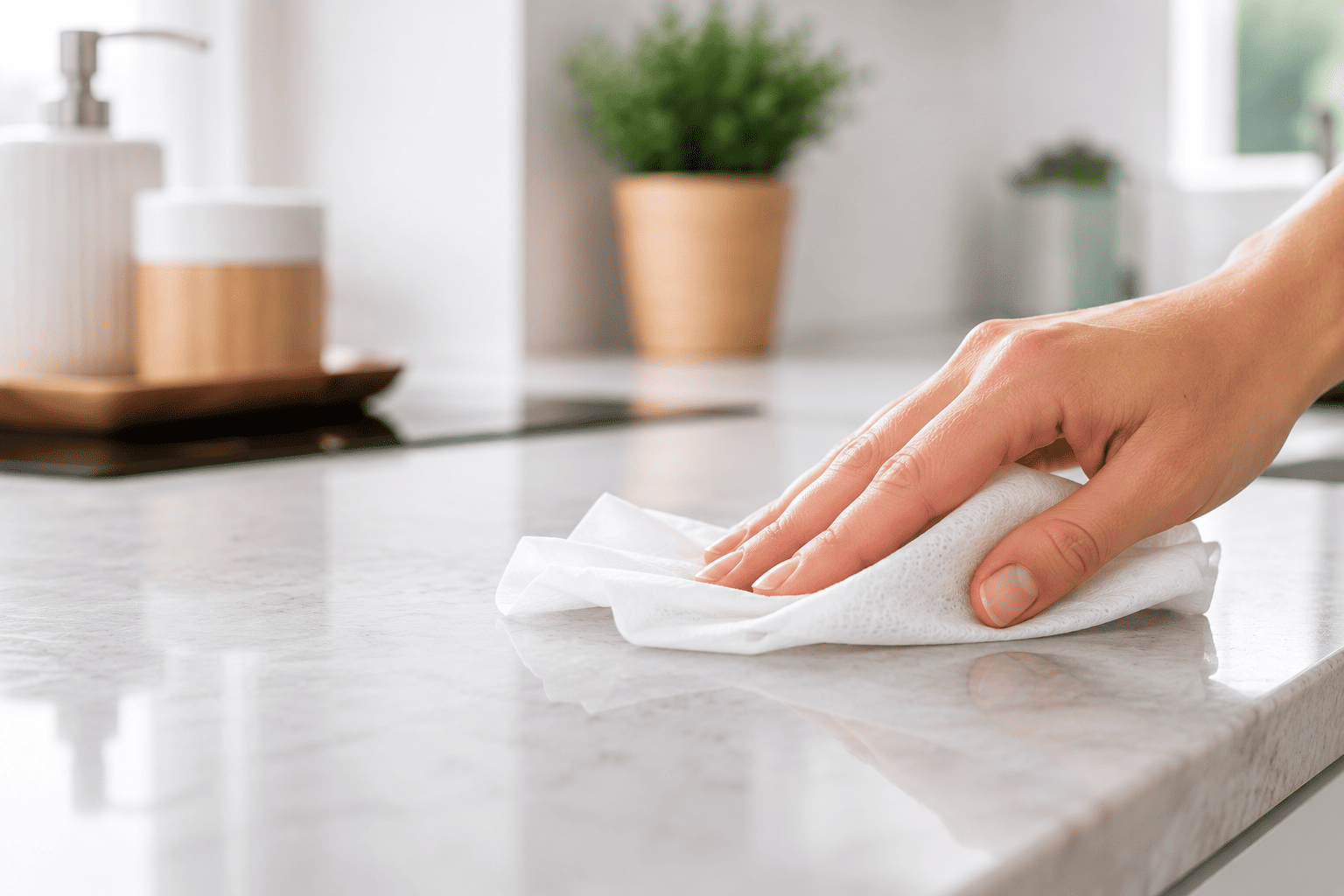
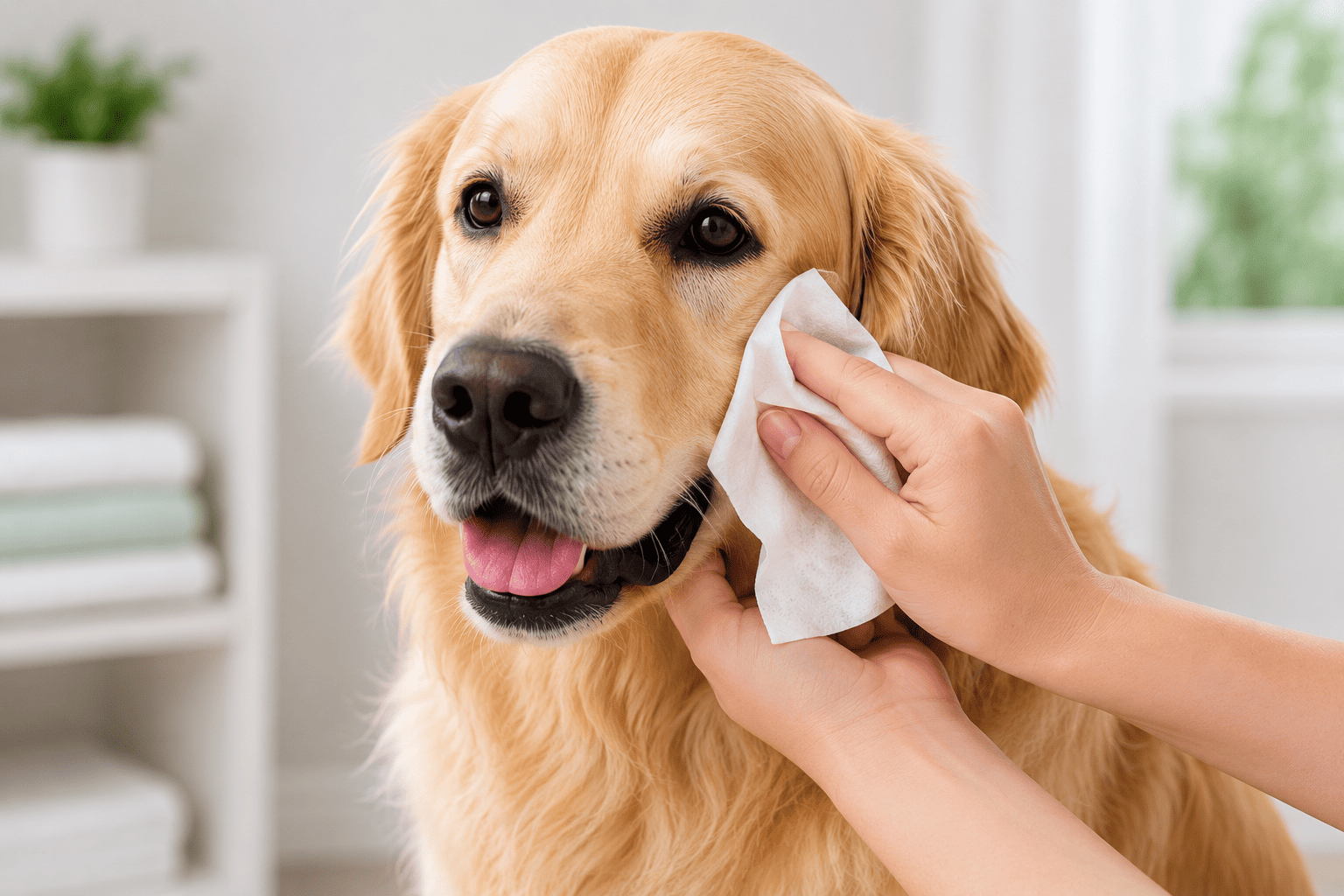
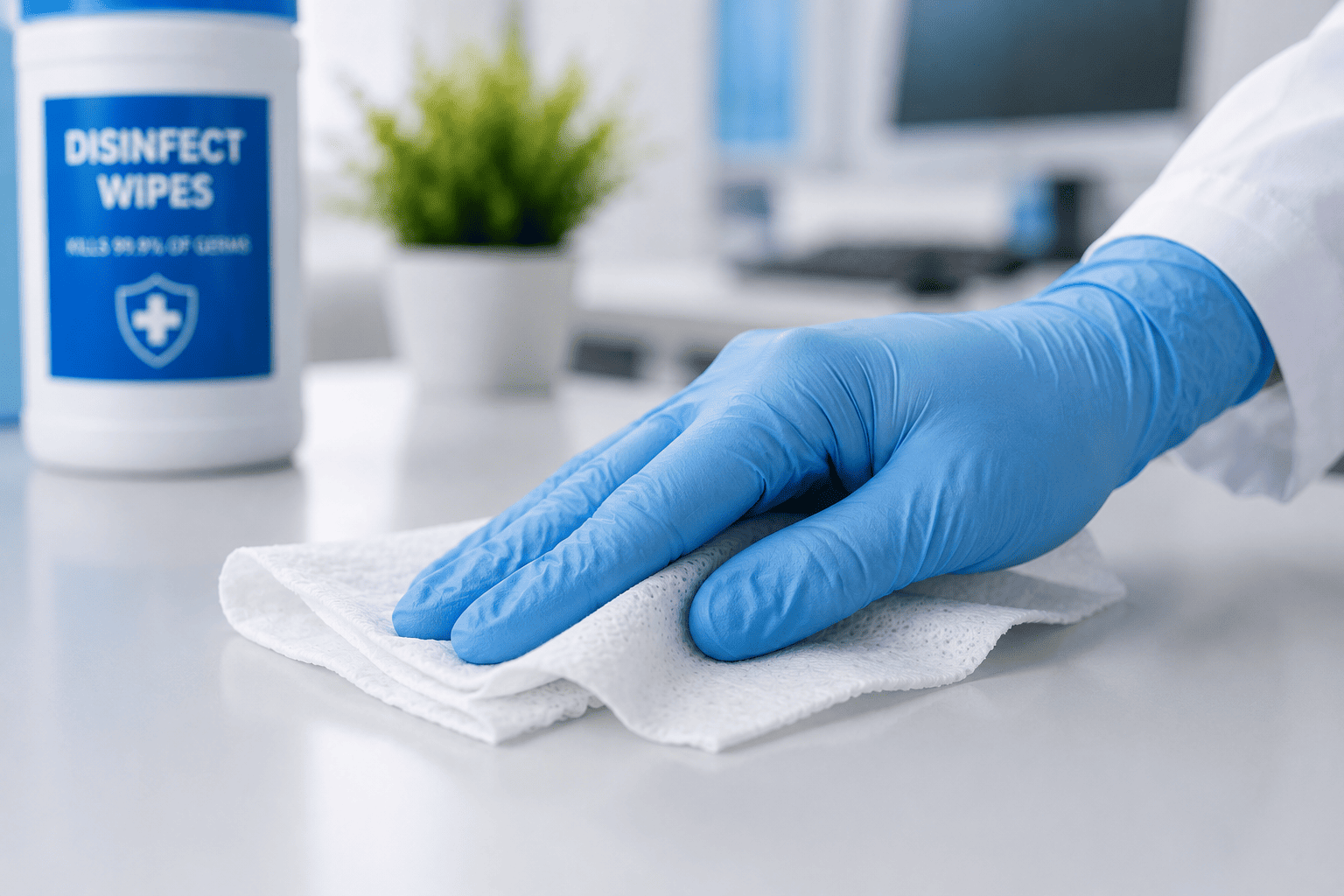
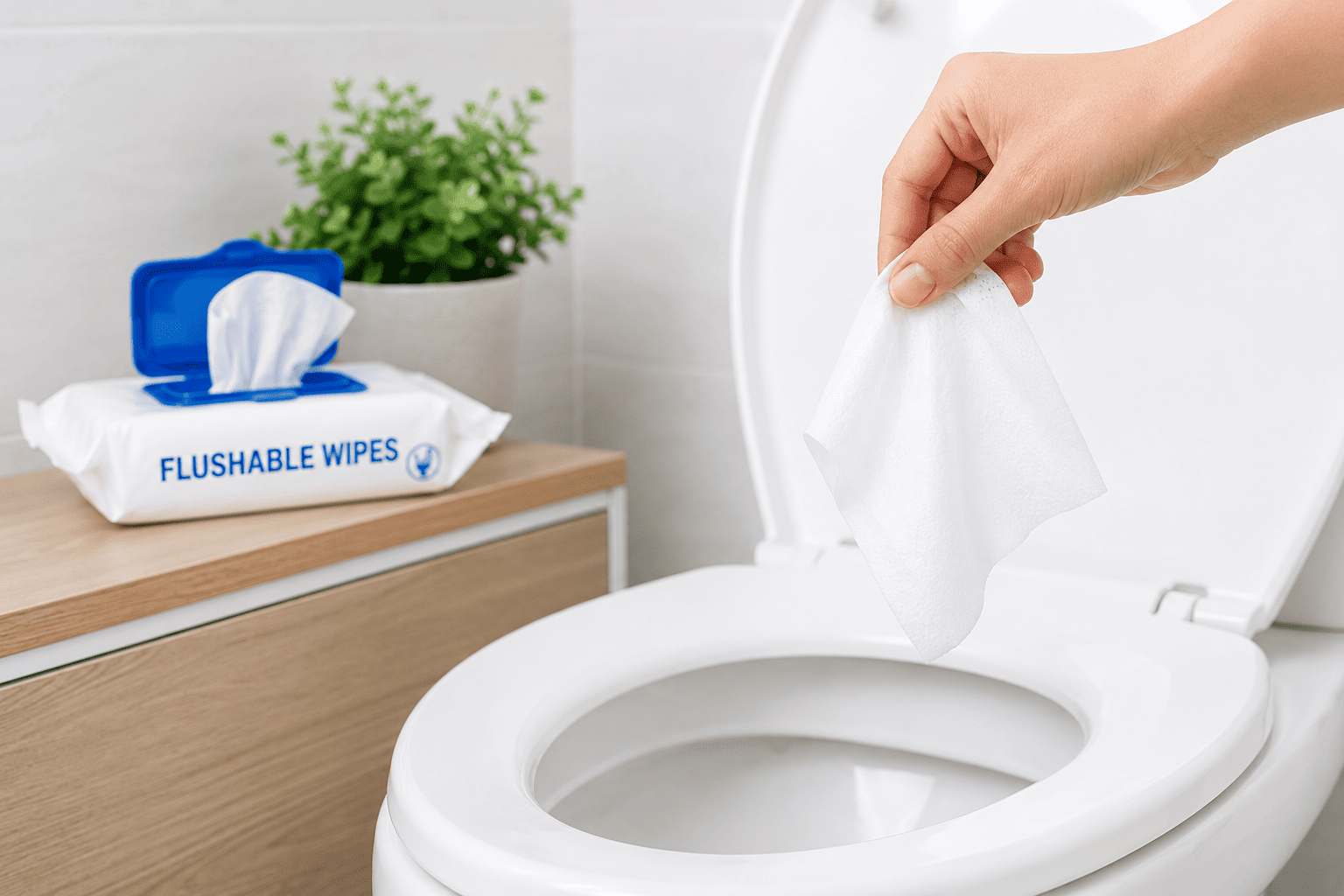
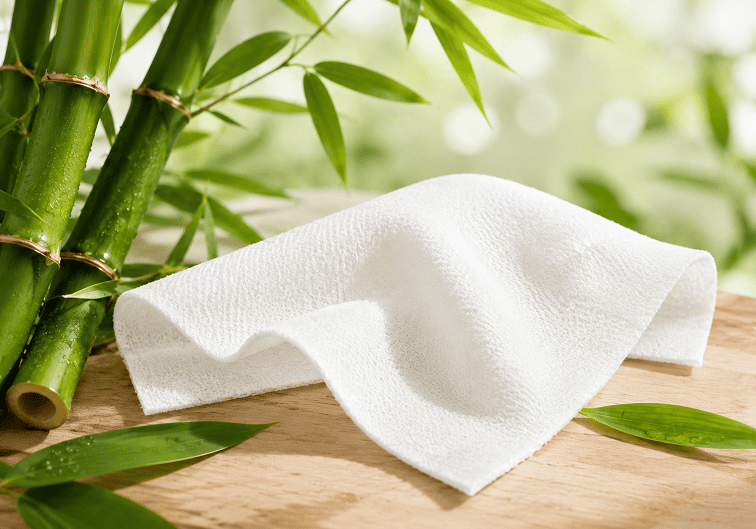
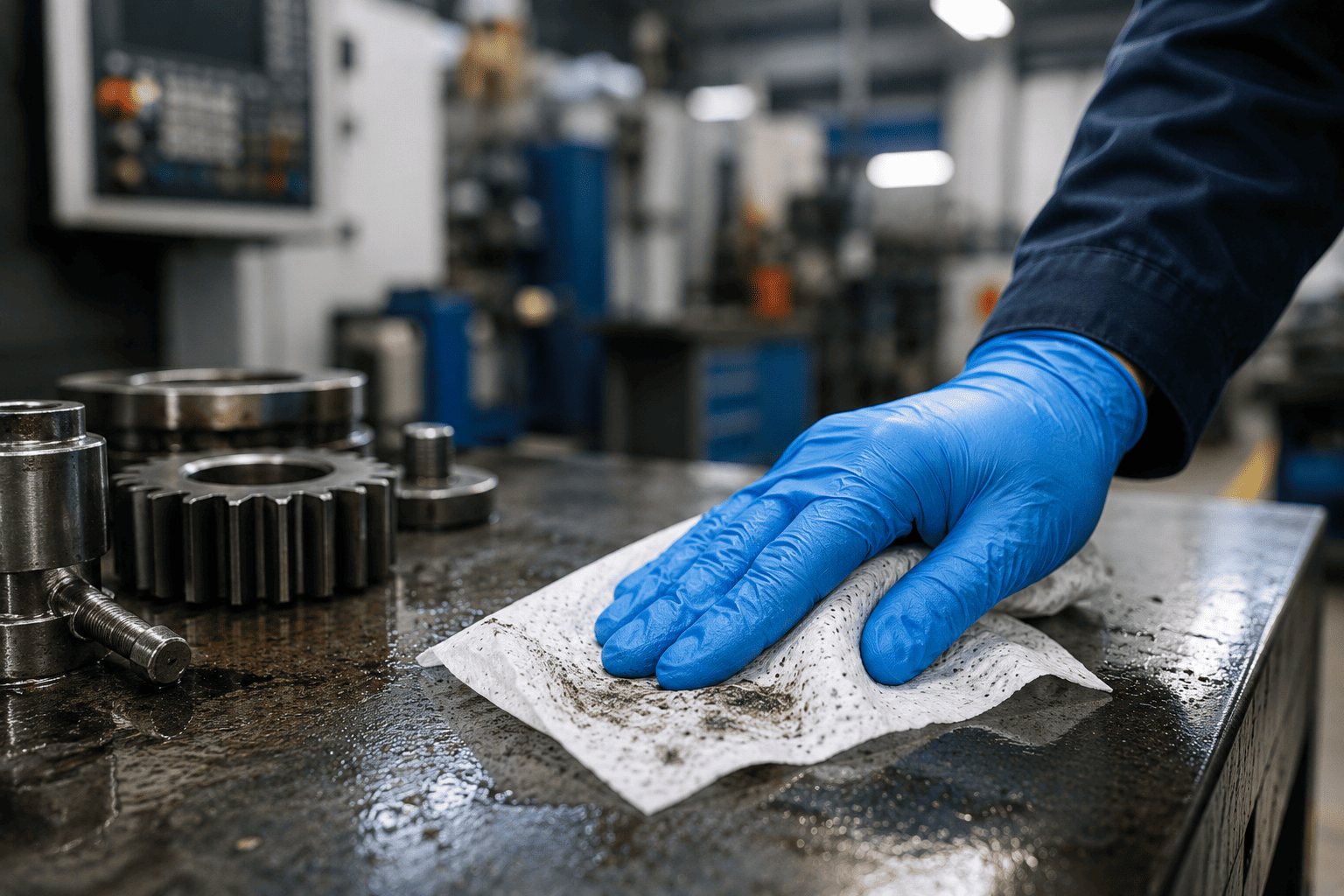
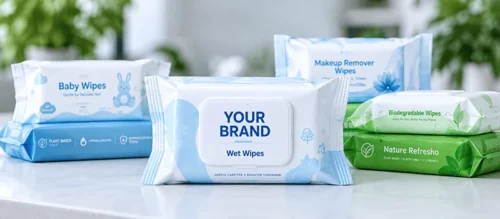


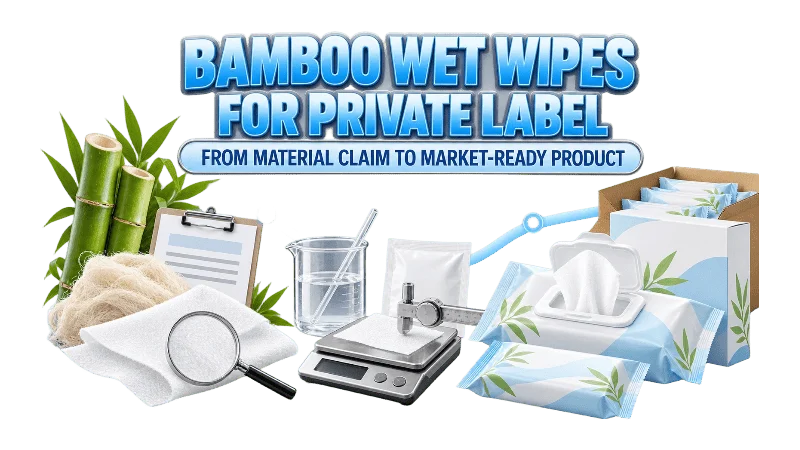
Bamboo wet wipes have become a popular option for private label brands looking to move beyond conventional wipes. The appeal is clear: the product can support a more plant-based, premium-looking story while still fitting familiar categories such as baby care, personal care, body wipes and household wipes.
However, a bamboo claim alone does not create a better wet wipe. Buyers still need to confirm what the substrate is made of, how it performs when wet, which formula it will carry and whether the packaging supports the final product.
For retailers, importers and new brand owners, the most successful bamboo wet wipes projects start with a clear product brief—not a vague request for an “eco wipe.”
What Does “Bamboo Wet Wipe” Actually Mean?
The term “bamboo wet wipe” can describe different material constructions. Some substrates use bamboo-derived fibers, while others are blended with viscose, polyester or other fibers. The exact composition affects softness, wet strength, absorbency, thickness and the claims a brand can make.
That is why private label buyers should ask for a written material specification rather than relying on a product name or a fabric appearance.
Important questions include:
- What is the fiber composition and blend ratio?
- Is the fabric plastic-free?
- What is the GSM and finished wipe thickness?
- Does the material contain bamboo-derived fiber only, or a blend?
- What test evidence supports biodegradability or compostability claims?
- Does the material work with the intended lotion and packaging?
“Bamboo,” “plant-based,” “biodegradable” and “compostable” should not be used as interchangeable marketing words. In the United States, environmental claims need competent and reliable scientific evidence, and a claim about one component should not imply the same benefit applies to the complete product.
Clear specifications protect both the buyer and the brand.
Why Bamboo Can Be a Good Private Label Option
When selected carefully, bamboo wet wipes can fit well into several market positions.
A baby-care brand may want a soft, fragrance-free wipe with a more natural-looking material story. A personal-care brand may use bamboo wipes for facial cleansing, intimate care or travel packs. A body-care range may use a larger bamboo wipe with a refreshing formula for gym, travel or summer use.
Bamboo can also support premium visual branding. Natural tones, simple graphics and clear material information often work well for branded wet wipes in pharmacies, baby stores, health-focused retailers and e-commerce channels.
Still, the product needs to perform first. Consumers will notice immediately if a wipe tears too easily, feels rough, dries out in the pack or releases too much liquid.
Start with the Application, Not the Fabric Name
The same bamboo substrate will not suit every product category. A private label project should begin with how the consumer will use the wipe.
For example:
- Baby wipes need softness, reliable wet strength and a mild formula.
- Facial wipes may require a smooth surface and low-linting performance.
- Body wipes usually benefit from a larger sheet and good liquid release.
- Deodorizing wipes need a formula designed for freshening and odour control; the material supports the experience but does not create the deodorizing effect by itself.
- Household wipes need enough durability for surface wiping and cleaning tasks.
A deodorizing wipes manufacturer or deodorizing wet wipe manufacturer should therefore develop the formula, substrate and pack as one system. A strong fragrance cannot fix a poor material choice, and a premium bamboo substrate cannot compensate for a formula that feels sticky or dries too quickly.
Formula and Material Must Be Tested Together
Wet wipes raw material behaves differently once it absorbs lotion. The fabric may become softer, more flexible or less resistant to pulling. Its surface friction can also change, which affects one-at-a-time dispensing.
For bamboo wet wipes production, the selected formula should be tested with the intended material, not with a temporary substitute fabric.
A standard water-based formula may include purified water, humectants, skin-conditioning ingredients, preservatives and pH-adjusting ingredients. The final formulation depends on the application and market position.
Buyers can consider options such as:
- Fragrance-free or lightly fragranced formulas
- Alcohol-free personal-care wipes
- Aloe or botanical ingredient positioning
- Cooling body-wipe formulas
- Deodorizing wipes for travel, gym or daily freshening
- Sensitive-skin product concepts
The best approach is simple: approve finished-pack samples. Do not approve a loose fabric swatch and assume the mass-produced wipe will feel the same.
Packaging Is Part of the Sustainable Story
A bamboo wipe inside conventional packaging may still be the right commercial choice for many markets. But brands should assess the complete pack when building a sustainability-led product.
Common options include:
- Soft packs with resealable labels
- Flip-top packs for repeated opening
- Slim travel packs
- Refill packs
- Multipacks
- Single-use sachets
Packaging needs to protect moisture, support smooth dispensing and carry clear product information. A poorly sealed pack can cause moisture loss and damage the consumer experience long before the final wipe is used.
This is where experienced custom printed wet wipes manufacturers and suppliers add value. The wipe size, fold, pack count, film structure and closure should be confirmed before final artwork is approved.
What Affects Cost in Bamboo Wet Wipe Manufacturing?
Bamboo wet wipes are not priced by material name alone. The total cost depends on the complete specification.
The main cost drivers include:
- Fiber composition and fabric GSM
- Wipe dimensions and sheet count
- Formula and lotion loading
- Pack format and closure type
- Printed-film colors and finish
- Order volume
- Required testing and documentation
- Carton configuration and shipping destination
A thicker wipe or a larger pack may look more premium, but it also increases fabric consumption, stack height and transport weight. Buyers should compare quotations on the same basis instead of looking only at the price per pack.
For a fair comparison, request the material composition, GSM, wipe size, formula position, pack count, packaging format and carton details from each wet wipes supplier.
Choosing a Bamboo Wet Wipes Manufacturing Partner
A reliable wet wipes manufacturer should help the buyer turn a product idea into a stable specification.
When evaluating wet wipes manufacturers or a wet wipes manufacturer in China, ask whether they can support:
- Private label wet wipes and OEM wet wipes development
- Material specifications and available bamboo substrate options
- Formula development for the intended application
- Finished-pack samples before mass production
- Packaging design and printed-film coordination
- Quality control during wet wipes manufacturing
- Moisture retention, dispensing and stability checks
- Export packing and documentation support
For buyers sourcing deodorizing wipes, the same questions apply. A deodorizing wipes supplier should be able to explain how the formula, fragrance level, material and packaging work together, rather than simply offering a standard wipe with a new label.
The goal is not only to launch a product. It is to create a wipe that consumers will repurchase.
Final Thoughts
Bamboo wet wipes can be a strong addition to a private label range when the product is built around real performance and clear claims.
Start with the intended use. Confirm the exact material. Test the final formula and pack together. Then build the branding around what the finished product can genuinely deliver.
QIMEI supports bamboo wet wipe manufacturing for private label brands, retailers and distributors.
Contact our team to discuss bamboo wet wipes production, material options, custom formulas and packaging for your next project.