 Meet Qimei at PLMA Chicago 2026 · November 15–17, 2026 · Booth #H3029
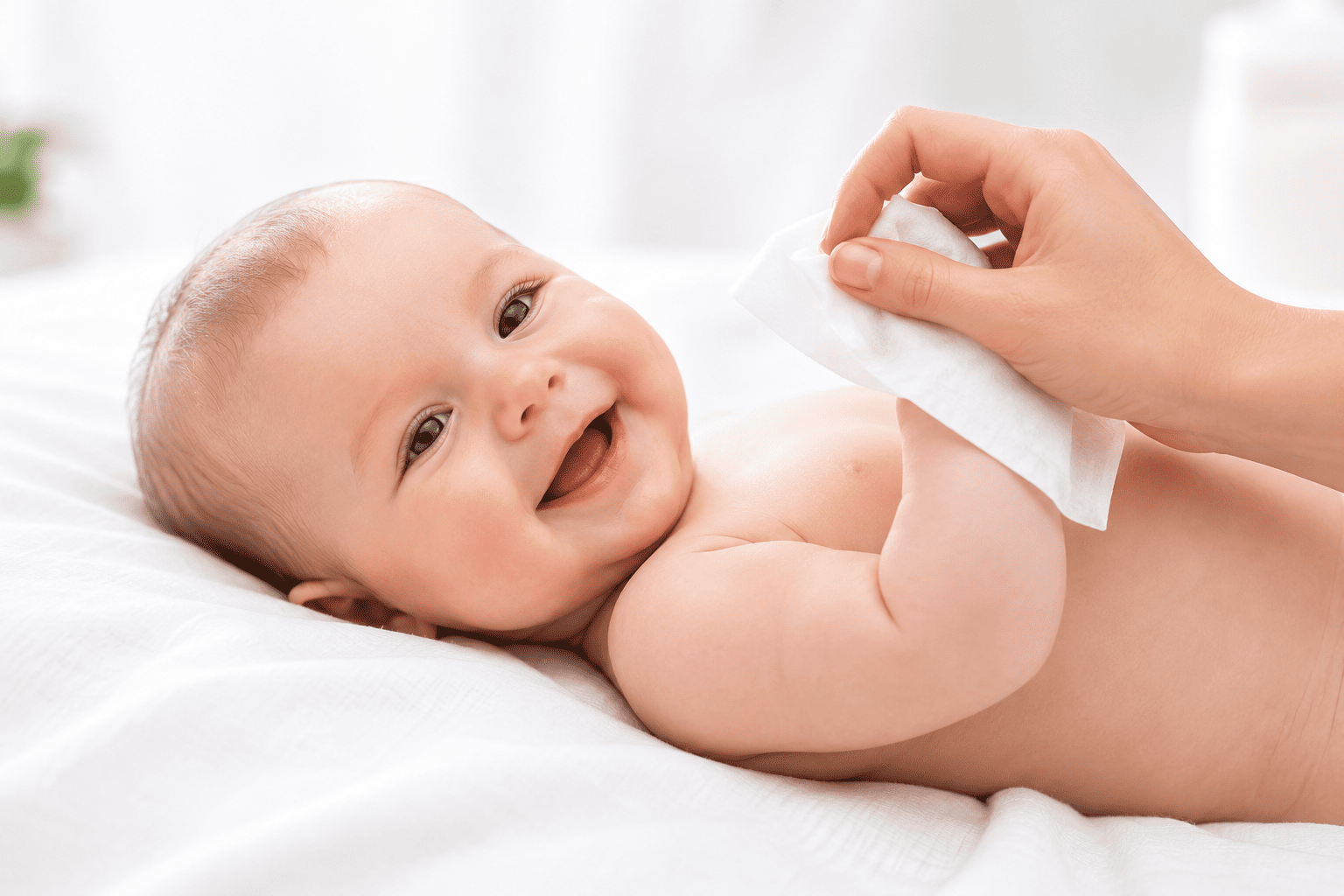
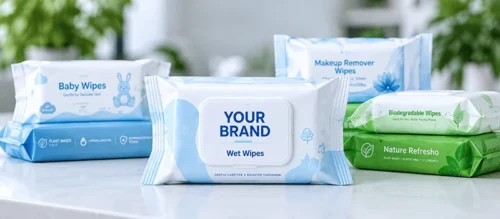


Launching baby wipes under your own brand looks straightforward at first. Choose a pack design, select a wipe size and place an order.
In reality, baby wipes are a sensitive product category. Parents expect them to be soft, clean, gentle and consistently moist from the first wipe to the last. Retailers expect reliable supply, stable quality and accurate documentation. Brand owners need a product that matches their price point and market position.
That is why choosing a baby wipes manufacturer is one of the most important decisions in a private label project.
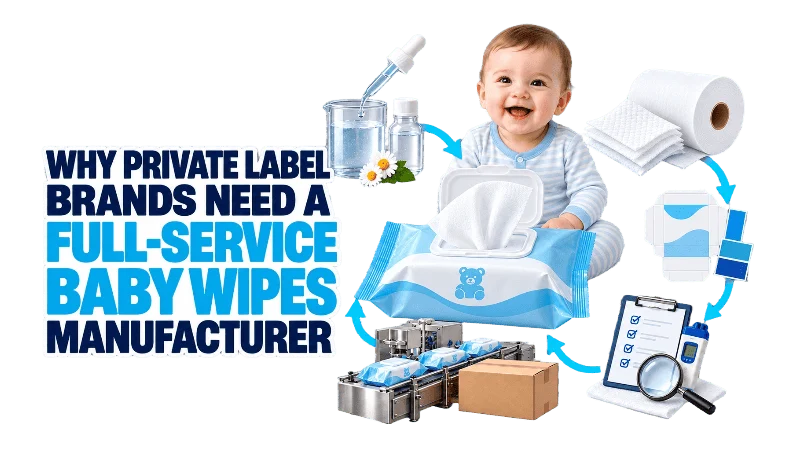
A supplier can offer a low price for a standard product. But a full-service wet wipes manufacturer can help you develop the formula, select materials, test samples, confirm packaging and control production before your brand reaches the market.
A Baby Wipes Manufacturer Does More Than Produce Wipes
Not every supplier offers the same level of support.
Some wet wipes suppliers focus mainly on supplying existing products. This may work for a simple purchasing project. However, it can be limiting when your brand needs a customized formula, specific material, different pack count or new printed packaging.
A full-service baby wipes manufacturer supports more steps in the process. This normally includes:
- Product concept discussion
- Formula selection or development
- Wet wipes raw material options
- Wipe size, GSM and fold selection
- Packaging design support
- Sampling and finished-pack testing
- Quality checks during wet wipes manufacturing
- Export packing and shipping support
This does not mean every project needs a highly complex formula. Many successful baby wipes use a simple, gentle formula. The key is that the supplier understands how each part of the product works together.
Formula Is the Starting Point
For baby wipes, the formula is not just liquid inside a pack. It affects the wipe’s skin feel, odor, moisture level, preservation and product claims.
A basic water-based baby wipe formula may include purified water, mild humectants, gentle skin-conditioning ingredients, preservatives and pH-adjusting ingredients. Some brands may also request botanical extracts or a fragrance-free formula.
The right choice depends on the target market and the intended product position.
For example, a value-range baby wipe may need a simple and reliable formula. A premium private label baby wipes range may focus on high water content, fragrance-free positioning, plant-based ingredients or a soft premium substrate.
A good OEM wet wipes partner should explain what each ingredient does and whether it fits the product concept. The factory should also be clear about what claims can reasonably be made on the packaging.
Words such as “sensitive,” “hypoallergenic,” “99% water,” “plant-based” and “biodegradable” should not be treated as design ideas only. They should be linked to the actual product specification and supporting evidence.
Wet Wipes Raw Material Changes the Consumer Experience
Parents notice the material immediately. They can feel whether the wipe is soft, thick, rough, dry or too thin.
Wet wipes raw material affects:
- Softness and comfort
- Wet strength
- Absorbency
- Thickness and bulk
- Linting performance
- Pack size and final cost
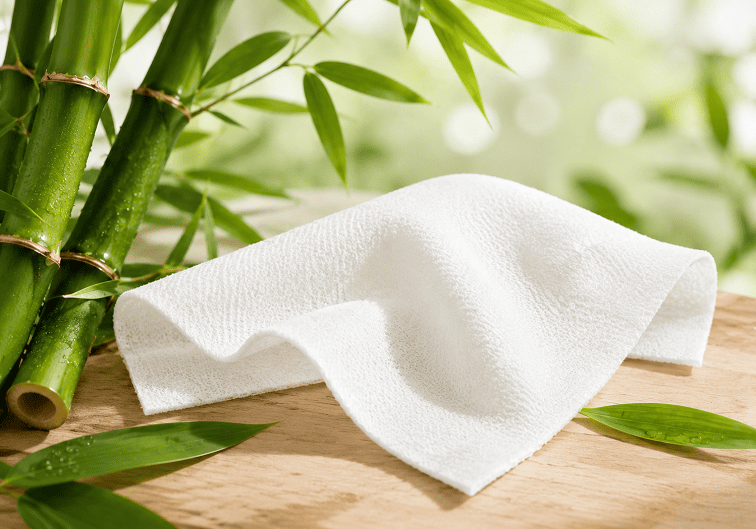
Common materials for baby wipes include viscose, polyester and viscose blends, cellulose-based substrates, cotton-based options and selected bamboo-derived materials.
There is no single best material for every baby wipe. A higher GSM may make the wipe feel thicker, but it also increases material use and stack height. A lighter wipe may reduce cost, but it still needs enough strength for normal use.
The material must be tested with the final formula. A fabric sample may feel soft when dry but behave differently after lotion loading, folding and storage.
For this reason, buyers should compare finished packs instead of judging only loose nonwoven samples.
Consistency Matters More Than One Perfect Sample
A sample is important, but it is only the beginning.
One of the biggest risks in private label wet wipes is approving a good-looking sample without confirming how the product will perform in mass production. The final production run may use different material batches, a different packaging film or a larger-scale production setting.
This is where strong wet wipes manufacturing control becomes important.
A reliable baby wipes manufacturer should manage key production points, including:
- Incoming wet wipes raw material inspection
- Formula preparation and batch control
- Lotion loading
- Wipe cutting and folding
- Pack sealing
- Microbiological checks
- Finished-pack appearance
- Carton packing and shipment preparation
The goal is simple: the bulk order should match the approved sample as closely as possible.
Brands should keep an approved product specification. It should state the material composition, wipe dimensions, GSM, formula, lotion loading, fold type, pack count, packaging details and quality requirements.
A clear specification reduces misunderstandings between the buyer and the wet wipes supplier.
Packaging Is Part of the Product
For baby wipes, packaging is not only a place for branding. It protects the product, helps keep wipes moist and affects how easily consumers can remove each sheet.
Common baby wipes packaging formats include:
- Soft packs with resealable labels
- Soft packs with plastic flip-top lids
- Multipacks
- Canisters
The pack opening should be large enough for the consumer to pull out a wipe. At the same time, it should help keep the next wipe accessible and reduce moisture loss.
The wipe fold, stack arrangement, material friction and lotion loading all affect dispensing. If these details are not tested together, consumers may pull out two wipes at once or struggle to find the next sheet.
This is why custom printed wet wipes manufacturers and suppliers should coordinate packaging development with the product specification. Printed film should not be approved too early. A later change to wipe size, fold, pack count or lid style may require a new pack layout.
Private Label Baby Wipes Need a Clear Market Position
Baby wipes are sold in many price ranges. Some buyers focus on a competitive retail price. Others want a premium product for e-commerce, pharmacies, baby stores or subscription brands.
Before starting an OEM wet wipes project, define the product position clearly.
Ask these questions:
- Who will buy the product?
- Is the product for newborns, sensitive skin or everyday family use?
- Is fragrance-free important?
- What pack count is suitable for the retail channel?
- Should the wipe feel thick, soft or extra-large?
- Is sustainability part of the brand message?
- What is the target retail price?
- Which country will the product be sold in?
A clear answer helps the factory recommend the right balance of material, formula and packaging.
For branded wet wipes, the most successful products are usually consistent. The formula, pack design, price point and product claims should all support the same brand story.
Why Quality and Compliance Should Be Discussed Early
Baby wipes are used on delicate skin. Quality control should therefore be part of product development, not an afterthought.
Before production, buyers should discuss the quality standards required for the target market. Depending on the product and destination, this may include microbiological testing, stability testing, preservative efficacy testing, ingredient documentation and packaging compliance checks.
The required documents depend on the market and the claims made on the pack. A baby wipe sold as a cosmetic or personal-care product may have different requirements from a disinfecting wipe or a medical-use product.
The most practical approach is to confirm the target market at the beginning. This allows the baby wipes manufacturer to prepare the right formula, packaging wording and supporting documents.
It also helps avoid a common mistake: printing a claim first and checking whether it is suitable later.
Communication Makes Product Development Faster
A good product-development process depends on clear communication.
The buyer should provide as much information as possible, including reference samples( if there is), target wipe size, expected pack count, market destination, fragrance preference and packaging idea. The manufacturer should explain what is technically feasible and identify possible risks before sampling begins.
For example, a buyer may want a large, thick wipe in a compact travel pack. A wet wipes supplier should explain how this may affect stack height, pack size and dispensing. It is better to solve this during sampling than after printed packaging has been ordered.
The same approach applies when a buyer sources different product categories. A company may work with a baby wipes manufacturer today and later need a pet wipes supplier for a pet-care range. The products are different, but the sourcing principles are similar: define the use, confirm the formula, approve the material and test the finished pack.
What to Ask Before Choosing a Supplier
When comparing wet wipes manufacturers, do not focus only on the quotation. Ask questions that show how the supplier manages the full project.
Useful questions include:
- Do you offer private label wet wipes and OEM wet wipes?
- Can you customize the baby wipes formula?
- Which wet wipes raw material options are available?
- Can you provide fragrance-free and sensitive-skin options?
- What pack formats and closures can you offer?
- Can you support printed-film development?
- How do you control quality during wet wipes production?
- What samples will be provided before mass production?
- What are the MOQ, lead time and payment terms?
- Can you support export packing and required documents?
A supplier that answers these questions clearly is more likely to be a reliable long-term partner.
Final Thoughts
Choosing a baby wipes manufacturer is not only about finding a factory that can make wipes. It is about finding a partner that can turn your brand idea into a stable, market-ready product.
Formula, material, packaging and production control all matter. A small change in one area can affect the final wipe, the pack cost and the consumer experience.
For private label brands, the best approach is to start with a clear product brief, test representative finished packs and work with a wet wipes supplier that can support the full development process.
QIMEI provides OEM wet wipes and private label baby wipes solutions for brands, retailers, importers and distributors. We support material selection, formula development, custom packaging and controlled wet wipes production for global markets.
Have a baby wipes idea in mind? Send us your target market, pack concept or reference sample, and QIMEI will help turn it into a sample-ready private label product.