 Meet Qimei at PLMA Chicago 2026 · November 15–17, 2026 · Booth #H3029
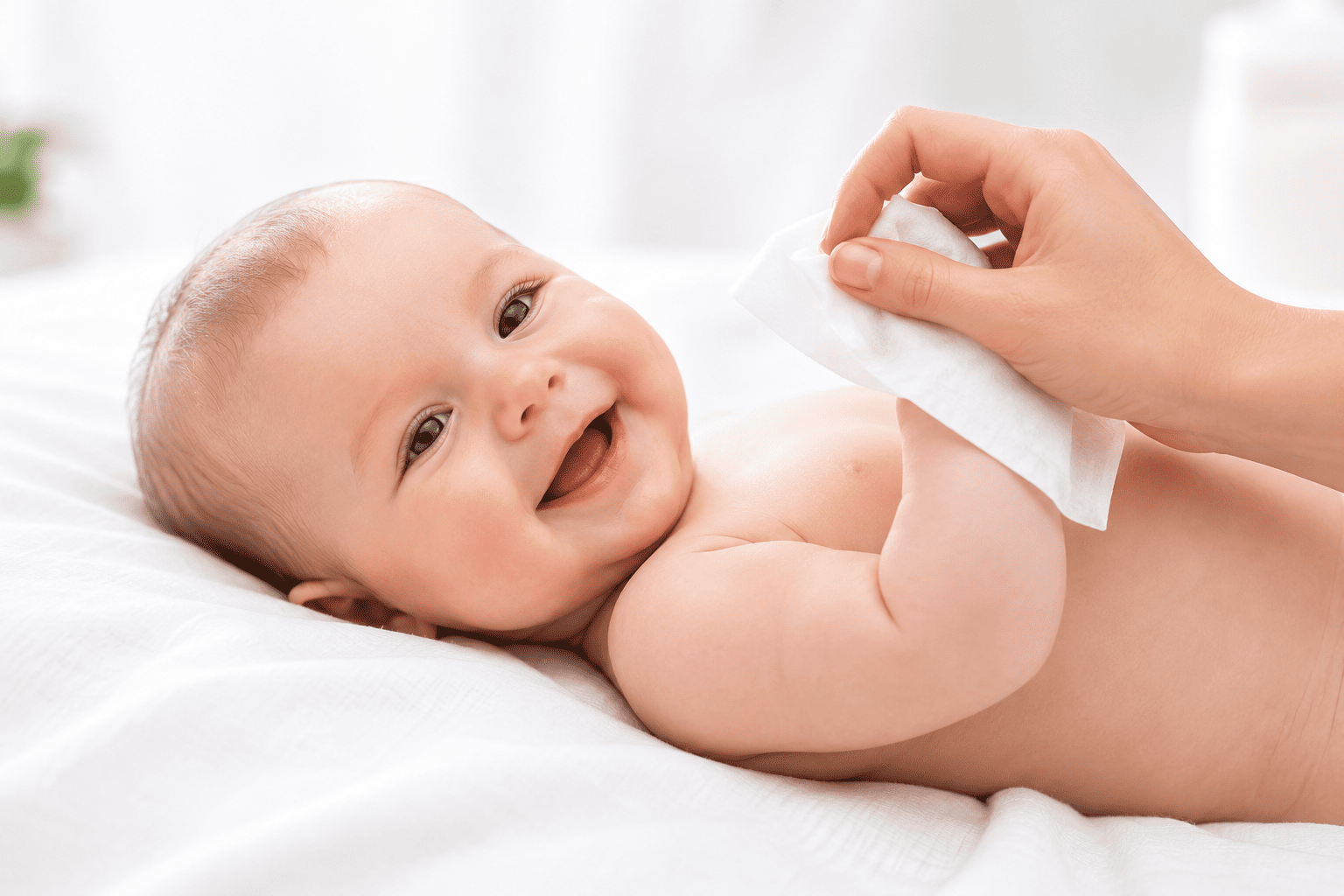
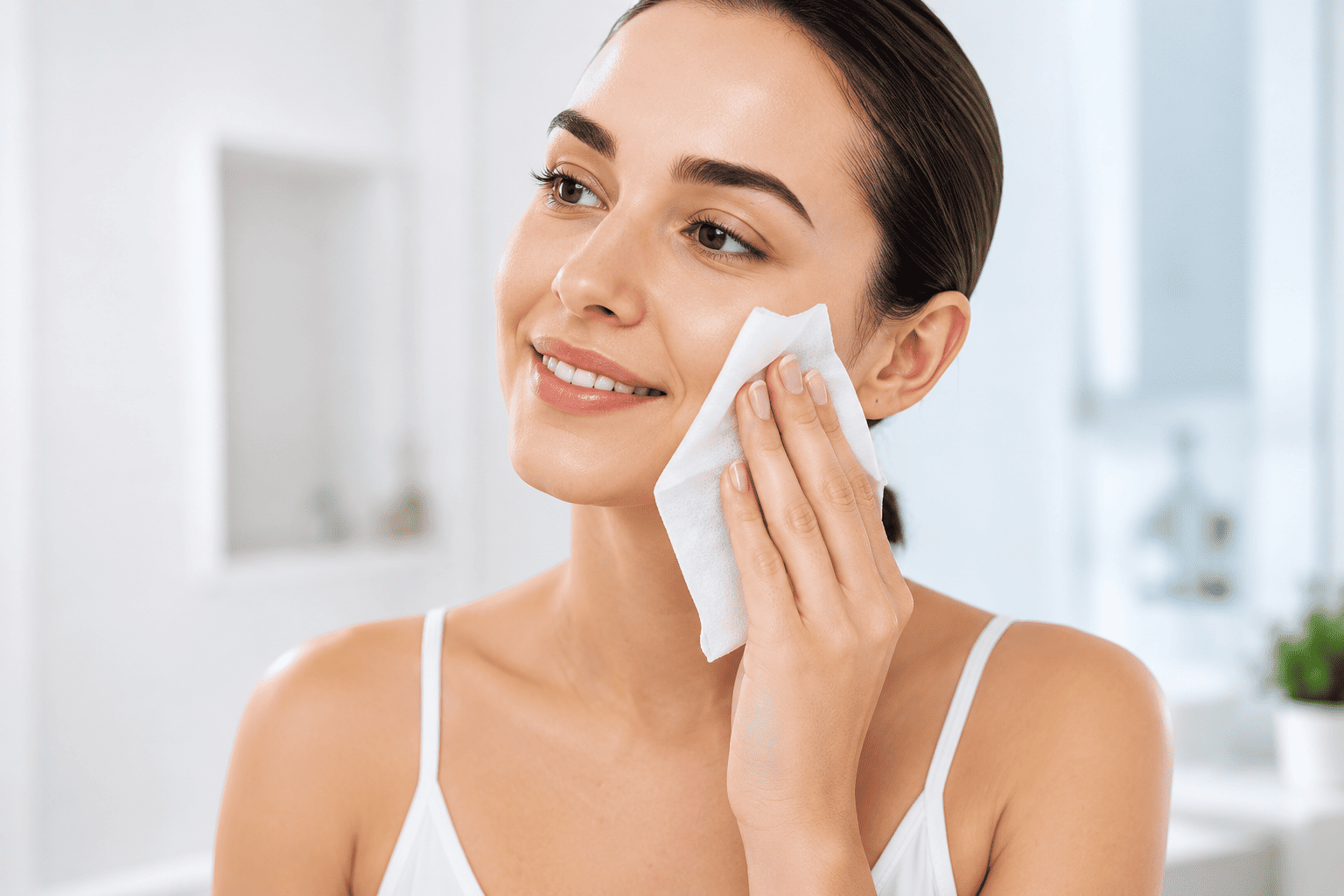
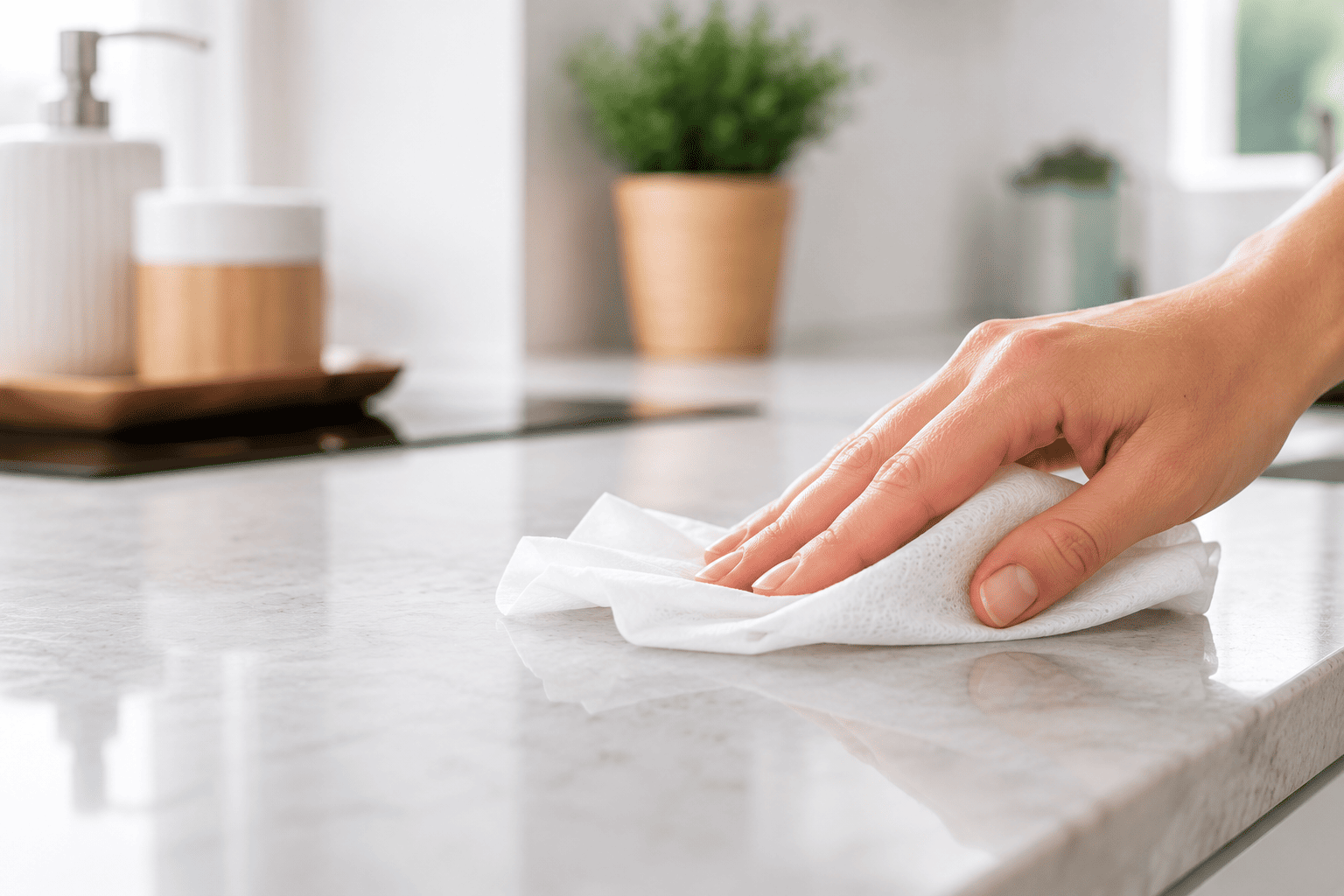
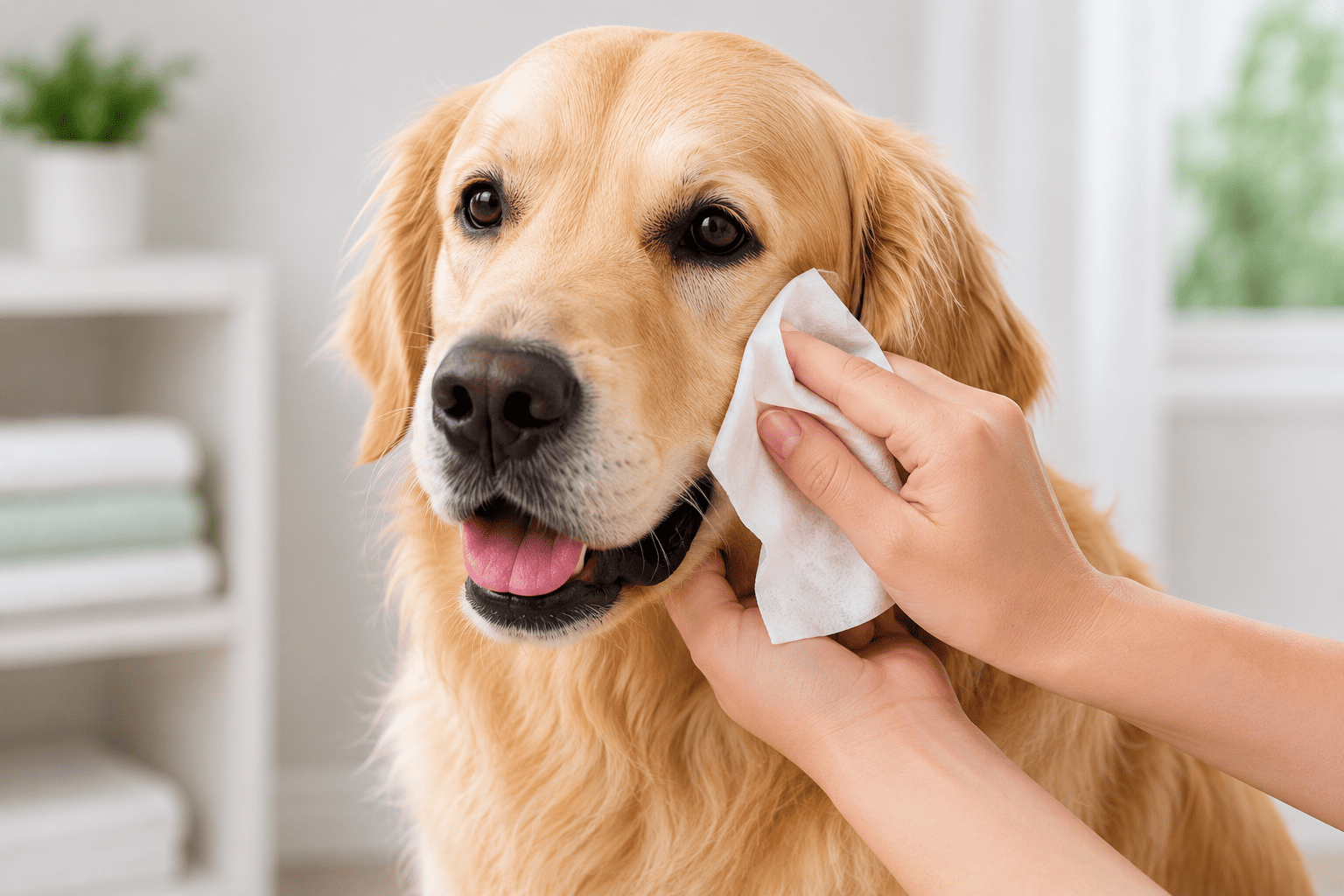
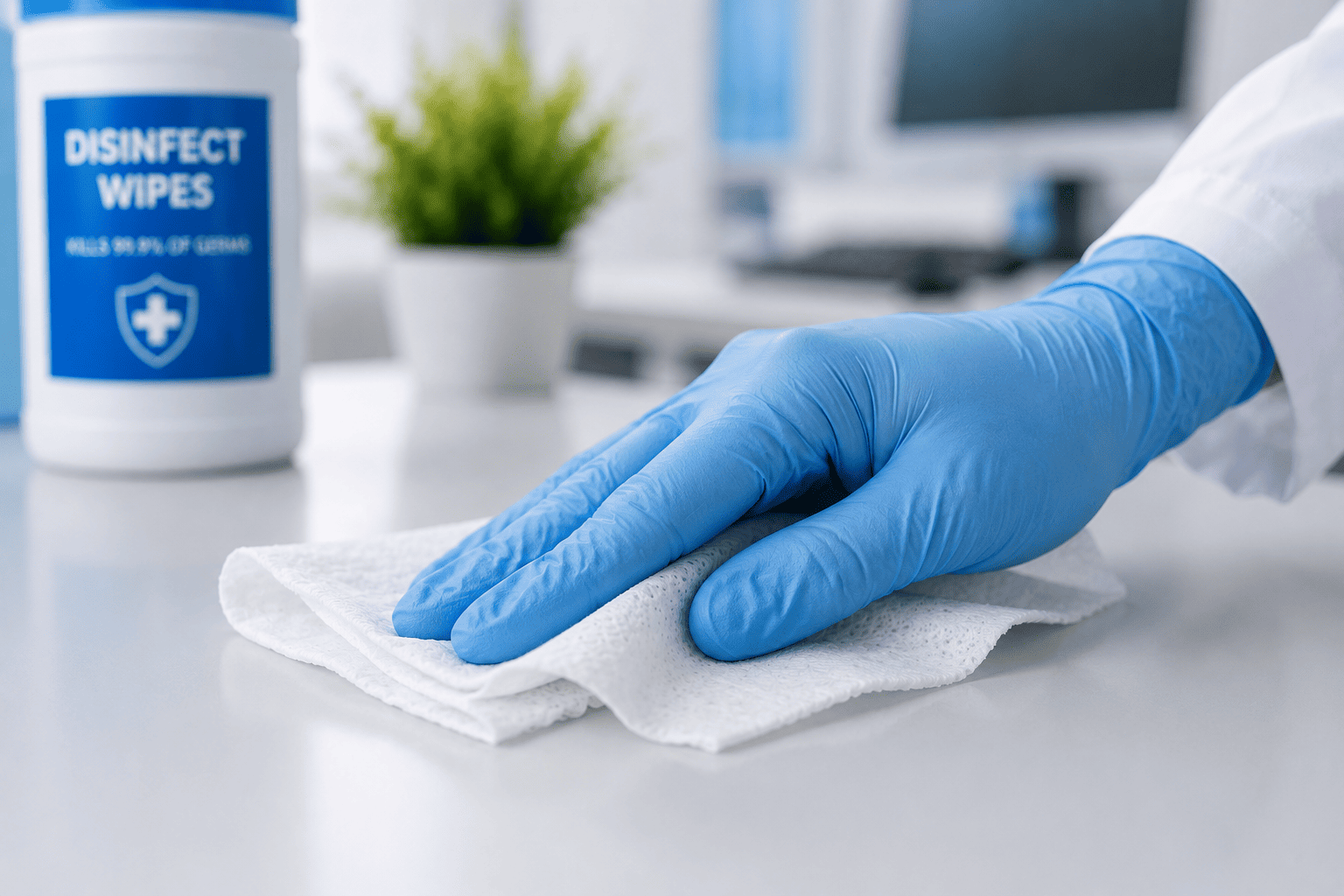
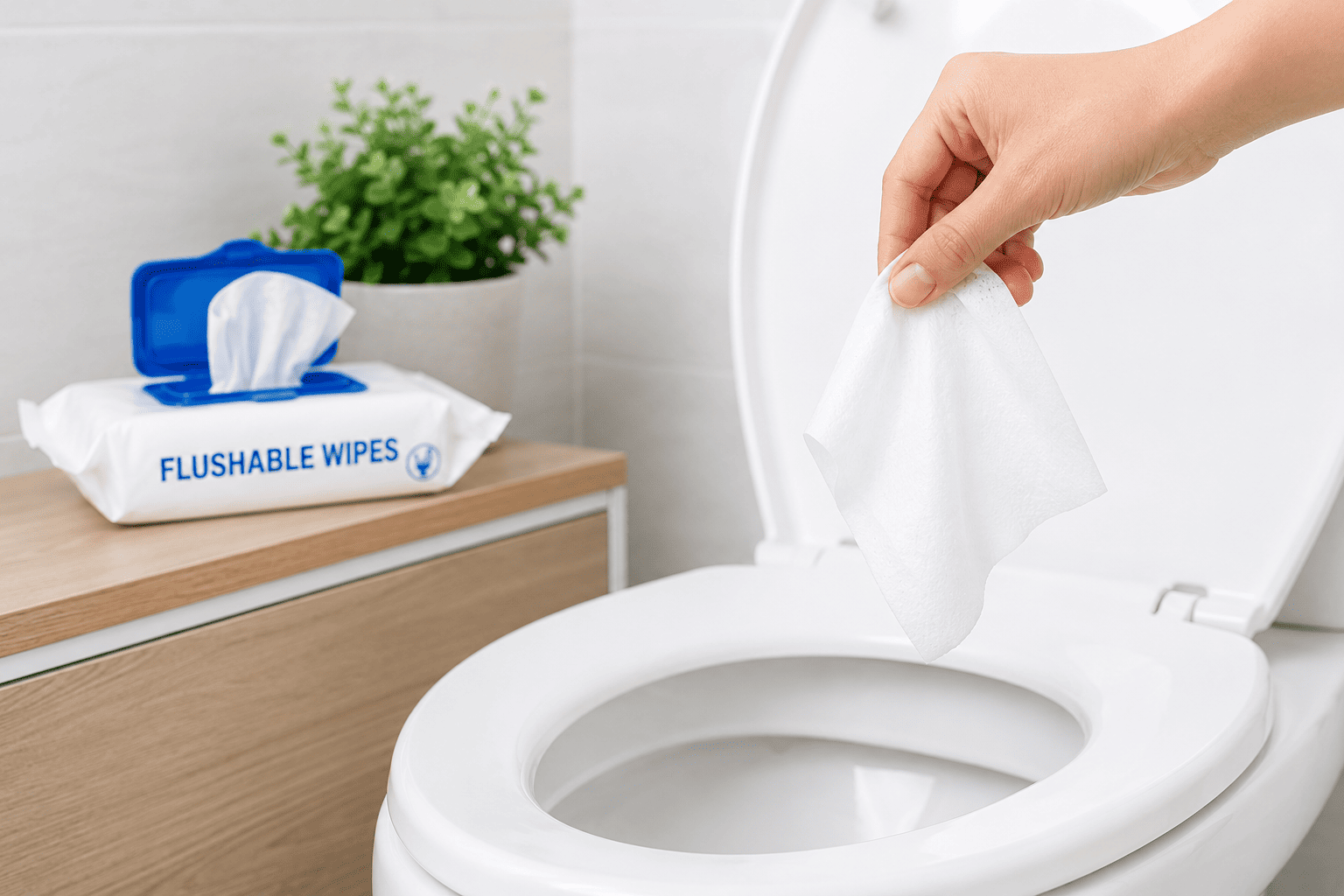
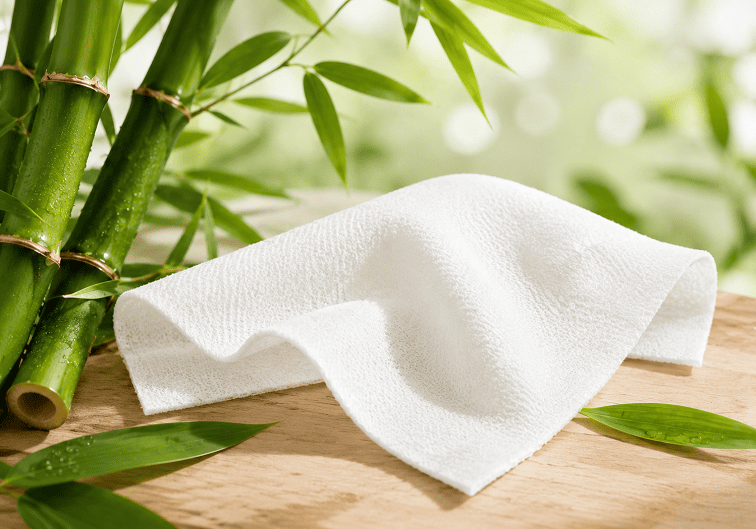
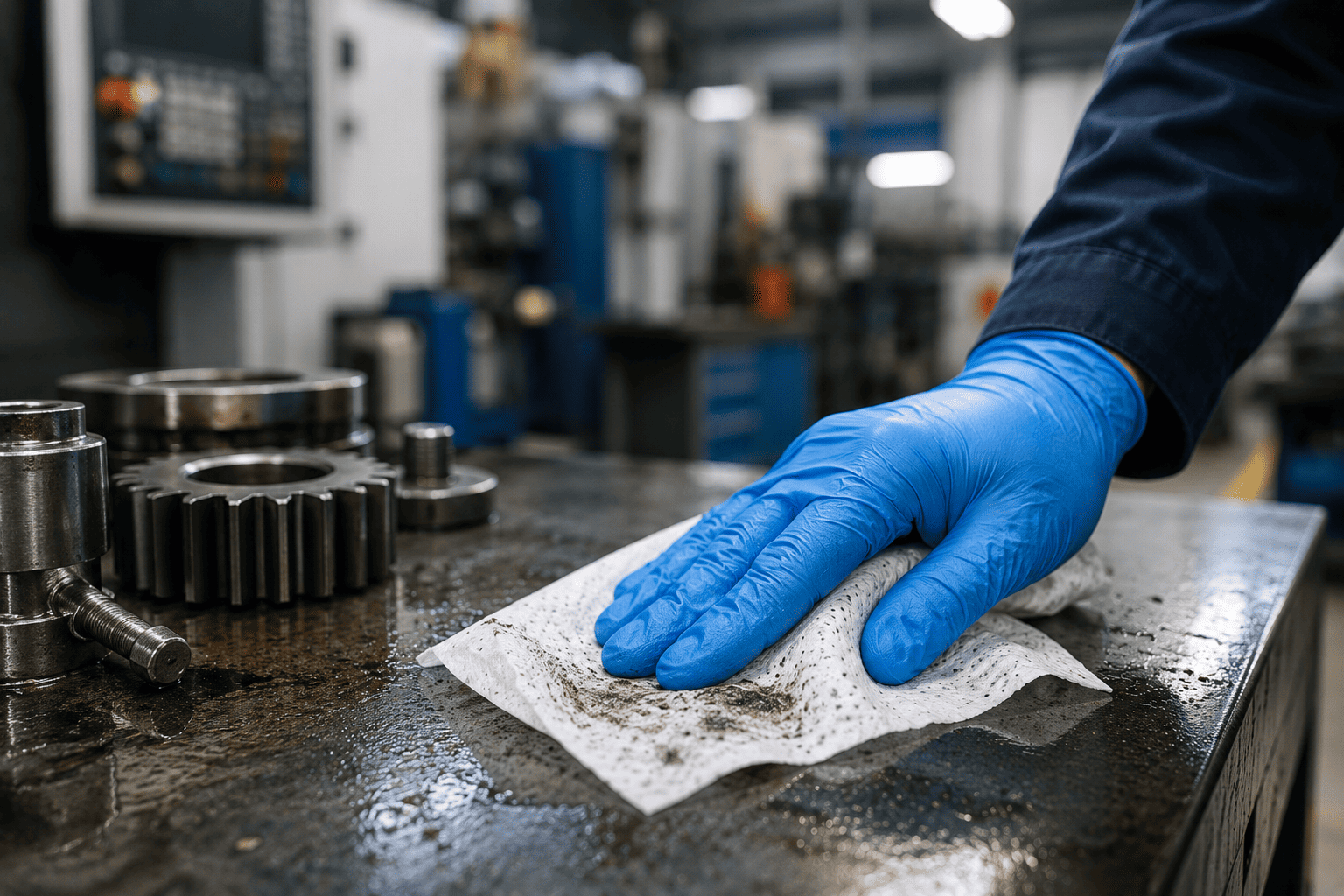
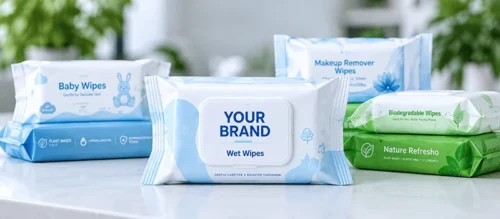


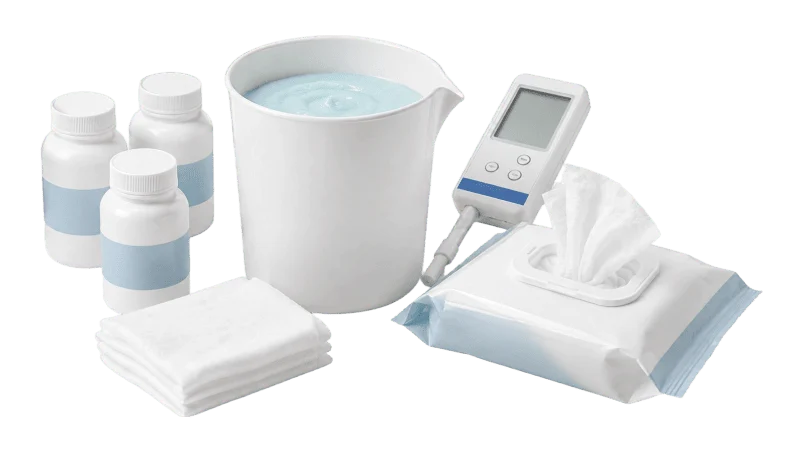
Wet wipes may look simple, but developing a stable, effective, and safe wet wipes formulation requires careful consideration of ingredients, preservation, pH, compatibility, and the intended application.
The liquid formulation is one of the most important parts of a wet wipe. It affects how the wipe feels on the skin, how well it cleans, how long it remains stable, and how compatible it is with the nonwoven fabric and packaging.
A baby wipe, makeup remover wipe, disinfecting wipe, pet wipe, personal care wipe, and household cleaning wipe can require completely different formulations.
In this guide, we explain the main ingredients used in wet wipes formulations, their functions, and the key factors to consider when developing a new wet wipes product.
What Is a Wet Wipes Formulation?
A wet wipes formulation is the liquid solution used to impregnate the nonwoven substrate.
For many personal care wet wipes, water makes up the majority of the formulation, while smaller amounts of functional ingredients are added to achieve specific performance characteristics.
A typical formulation may include:
- Purified water
- Humectants
- Cleansing agents
- Skin-conditioning ingredients
- Preservatives
- pH adjusters
- Chelating agents
- Fragrance
- Botanical extracts
- Active ingredients
The exact composition depends on the product category and target market.
The goal is not simply to add as many ingredients as possible. A well-designed formulation should use the appropriate ingredients at suitable levels while maintaining stability, performance, safety, and regulatory compliance.
What Are the Main Ingredients in Wet Wipes?
Although formulations vary significantly, most wet wipes liquids can be divided into several functional groups.
1. Purified Water
Water is usually the primary ingredient in personal care wet wipes.
It acts as the main solvent and carrier for the other ingredients in the formulation.
The quality of water is important because water can become a source of microbial contamination if it is not properly controlled.
Depending on the product and manufacturing requirements, manufacturers may use treated or purified water produced through systems such as:
- Reverse osmosis
- Deionization
- Filtration
- UV treatment
- Other appropriate water purification systems
Water quality should be monitored as part of the overall manufacturing quality system.
2. Humectants
Humectants help attract and retain moisture.
They can improve the skin feel of certain personal care wipes and help prevent the formulation from feeling excessively dry.
Common humectants include:
- Glycerin
- Propylene glycol
- Butylene glycol
The choice and concentration depend on the intended product.
For baby wipes and sensitive-skin products, formulation developers may prioritize a simple and gentle ingredient system.
For other applications, humectants can be selected based on the desired skin feel and formulation characteristics.
3. Cleansing Agents and Surfactants
Surfactants can help remove dirt, oils, makeup, and other substances from the skin or surfaces.
They are particularly relevant to:
- Makeup remover wipes
- Facial cleansing wipes
- Personal care wipes
- Household cleaning wipes
However, not every wet wipe requires a surfactant.
For certain gentle personal care products, a manufacturer may develop a low-surfactant or surfactant-free formulation depending on the intended performance.
The formulation needs to balance cleansing ability with skin feel and application requirements.
4. Skin-Conditioning Ingredients
Personal care wet wipes may contain ingredients designed to improve skin feel or provide conditioning benefits.
Examples can include:
- Aloe vera
- Panthenol
- Allantoin
- Plant extracts
- Skin-conditioning agents
These ingredients are often selected based on the product positioning and desired consumer experience.
For example, a baby wipe may be positioned around gentle cleansing and skin comfort, while an adult body wipe may focus on refreshing, cleansing, and deodorizing.
The final ingredient selection should be based on the intended use and applicable regulatory requirements.
5. Preservatives
Preservation is one of the most important considerations in water-based wet wipes.
Because wet wipes contain a significant amount of water, they can provide an environment where microorganisms may grow if the formulation is not properly preserved.
A suitable preservation system helps protect the product against microbial contamination throughout its intended shelf life.
Common preservative systems used in wet wipe formulations can include ingredients such as:
- Sodium benzoate
- Potassium sorbate
- Phenoxyethanol
- Chlorphenesin
- Caprylyl glycol
- Ethylhexylglycerin
The appropriate preservative system depends on factors such as:
- Product type
- pH
- Ingredient compatibility
- Packaging
- Target market
- Microbiological requirements
- Intended shelf life
Preservatives should not be selected simply because they are commonly used in another product.
A formulation should be evaluated as a complete system, and appropriate microbiological and preservative efficacy testing may be required.
6. pH Adjusters
pH can significantly affect the performance and stability of a wet wipes formulation.
For skin-contact products, the formulation may be designed around a suitable pH range for the intended application.
Common ingredients used to adjust pH include:
- Citric acid
- Sodium citrate
- Lactic acid
- Sodium hydroxide
The appropriate pH depends on the product and formulation.
For example, a baby wipe formulation may have different pH requirements from a household cleaning wipe or disinfecting wipe.
It is therefore important to determine the target pH during formulation development rather than simply copying a standard value.
7. Chelating Agents
Chelating agents can help bind trace metal ions and improve formulation stability.
One commonly used ingredient is:
Disodium EDTA
Chelating agents can also support the performance of certain preservative systems.
Whether a chelating agent is necessary depends on the formulation and manufacturing conditions.
8. Fragrance
Fragrance can be added to wet wipes to provide a specific sensory experience.
Common fragrance concepts include:
- Fresh
- Citrus
- Floral
- Herbal
- Powder
- Unscented
However, fragrance is not necessary for every product.
For baby wipes, sensitive-skin products, and certain medical or professional applications, brands may prefer fragrance-free formulations.
When fragrance is used, its compatibility with the formulation, nonwoven substrate, packaging, and target market should be evaluated.
9. Botanical Extracts
Botanical extracts are commonly used in personal care wet wipes.
Examples include:
- Aloe vera
- Chamomile
- Green tea
- Calendula
- Cucumber
- Other plant extracts
These ingredients may support product positioning and consumer appeal.
However, adding more botanical extracts does not automatically make a formulation better.
Each extract can affect formulation stability, color, odor, preservation, and regulatory considerations.
A simpler formulation can sometimes provide better stability and consistency.
10. Active Ingredients
Certain wet wipes require specific active ingredients depending on their intended purpose.
For example, disinfecting wipes may contain antimicrobial active substances designed for use against specified microorganisms.
Other specialty wipes may contain ingredients intended for particular applications.
Active ingredients require careful consideration of:
- Concentration
- Efficacy
- Regulatory status
- Contact time
- Compatibility
- Stability
- Label claims
A product should only make claims that are supported by appropriate testing and comply with the requirements of the target market.
How Do You Develop a Wet Wipes Formula?
Wet wipes formulation development is usually a step-by-step process.
Step 1: Define the Product Application
The first question should be:
What is the wipe designed to do?
For example:
- Baby cleansing
- Facial cleansing
- Makeup removal
- Adult body cleansing
- Intimate care
- Pet care
- Household cleaning
- Glass cleaning
- Floor cleaning
- Disinfection
The application determines the type of formulation required.
Step 2: Define the Target User
The target consumer also influences formulation decisions.
For example:
A baby wipe may prioritize gentle cleansing and skin comfort.
A makeup remover wipe may prioritize effective removal of cosmetics.
A household cleaning wipe may prioritize cleaning performance rather than skin conditioning.
Step 3: Select the Nonwoven Substrate
The liquid formula and nonwoven fabric should be developed together.
Different fabrics can absorb, retain, and release liquid differently.
Common substrate options include:
- Viscose
- Bamboo viscose
- Polyester
- Wood pulp
- Lyocell
- Blended fibers
Changing the substrate may require adjustments to the formulation and liquid loading.
Step 4: Develop the Base Formula
The manufacturer establishes a suitable base formulation using the required functional ingredients.
At this stage, the main objectives are:
- Desired performance
- Suitable skin feel
- Appropriate pH
- Stability
- Preservation
- Material compatibility
Step 5: Optimize the Formula
The formula is then adjusted based on testing and customer requirements.
Parameters that may be evaluated include:
- pH
- Appearance
- Odor
- Viscosity
- Moisture
- Microbiological quality
- Cleaning performance
- Skin feel
Step 6: Conduct Stability Testing
Stability testing helps evaluate whether the product remains acceptable during storage.
Depending on the product, testing may evaluate:
- Color changes
- Odor changes
- pH changes
- Microbiological stability
- Packaging compatibility
- Formula separation
- Fabric degradation
Testing conditions and duration depend on the product and target market.
What Is the Best pH for Wet Wipes?
There is no universal pH that is best for every wet wipe.
The appropriate pH depends on the application.
For skin-contact wipes, the formulation may be designed around a mildly acidic or skin-compatible pH.
For household cleaning or specialty wipes, a different pH may be required based on the cleaning chemistry.
The key is to define the target pH based on:
- Intended use
- Skin contact
- Active ingredients
- Preservative system
- Formula stability
- Regulatory requirements
Rather than targeting a specific number simply because it is commonly used, formulation developers should determine the appropriate range for the complete formula.
Why Is Preservation So Important for Wet Wipes?
Preservation is particularly important because wet wipes are water-based products.
Once the package is opened, the product may be exposed to the environment during repeated use.
A suitable preservation system helps control microbial growth throughout the intended product life.
However, preservation should not be considered separately from the rest of the formulation.
Factors that can influence preservation include:
- pH
- Water quality
- Packaging
- Ingredient interactions
- Fabric type
- Manufacturing hygiene
- Storage conditions
- Product usage pattern
This is why a preservative system that works well in one formulation may not provide the same performance in another.
What Is Preservative Efficacy Testing?
Preservative efficacy testing is used to evaluate how effectively a preservation system protects a product against microbial growth under defined test conditions.
For products where applicable, preservative efficacy testing can help demonstrate that the formulation provides adequate protection against relevant microorganisms.
The exact testing requirements depend on the product category and target market.
In addition to preservative efficacy testing, finished products should be manufactured under appropriate hygienic and microbiological controls.
Can Wet Wipes Be Made Without Preservatives?
This depends on the product and formulation strategy.
Because conventional wet wipes contain a high amount of water, completely removing preservation can create significant microbiological challenges.
Some brands may request preservative-free or minimal-preservative concepts.
In such cases, the entire product system needs to be considered, including:
- Water quality
- Formula composition
- Packaging
- Manufacturing environment
- Product usage
- Microbiological testing
- Expected shelf life
A product should not be described as “preservative-free” simply by removing a conventional preservative without validating the microbiological stability of the finished product.
Can Wet Wipes Be Made Without Surfactants?
Yes, depending on the intended application.
Not every wet wipe requires a surfactant.
For certain personal care products, a formulation can be developed without conventional surfactants when the required cleansing performance can be achieved through other formulation components.
However, surfactants may be useful when stronger cleansing or oil-removal performance is required.
The decision should be based on:
- Product application
- Cleaning requirements
- Skin feel
- Formula stability
- Consumer expectations
This is another example of why wet wipes formulation should be customized rather than using one standard formula for every product.
How Does Fragrance Affect a Wet Wipes Formula?
Fragrance can significantly affect the sensory characteristics of a wet wipe.
However, fragrance may also influence:
- Odor
- Formula compatibility
- Packaging interaction
- Consumer sensitivity
- Stability
Some fragrances may also require solubilization or other formulation support depending on their composition.
For sensitive-skin, baby, or fragrance-free products, the formula may be designed without added fragrance.
The fragrance level should therefore be determined during product development rather than added simply to mask an undesirable base odor.
How Does the Nonwoven Fabric Affect the Formula?
The nonwoven fabric and liquid formulation are closely connected.
A substrate with high absorbency may require a different liquid loading compared with a less absorbent substrate.
Changing the fabric can influence:
- Moisture content
- Liquid release
- Wipe softness
- Fragrance perception
- Cleaning performance
- Finished product weight
For example, a highly absorbent cellulose-based substrate may retain more liquid than a synthetic-rich fabric.
Therefore, formulation development should always consider the final substrate.
Wet Wipes Formulation for Different Applications
Different categories require different formulation approaches.
Baby Wipes
Typical priorities include:
- Gentle cleansing
- Soft skin feel
- Suitable pH
- Appropriate preservation
- Low fragrance or fragrance-free options
Makeup Remover Wipes
The formulation may focus on:
- Makeup removal
- Oil removal
- Cleansing performance
- Skin conditioning
- Comfortable after-feel
Adult Body Wipes
Adult body wipes may be designed for:
- Refreshing
- Cleansing
- Deodorizing
- Skin conditioning
The formula can be customized according to the intended use.
Pet Wipes
Pet wipes may be developed for:
- Paw cleaning
- Body cleaning
- Ear-area cleaning
- Eye-area cleaning
The formula should be appropriate for the intended animal use and application.
Disinfecting Wipes
Disinfecting wipes require a specific active ingredient system and appropriate efficacy testing.
The formulation must be designed around the required antimicrobial performance, contact time, surface compatibility, and regulatory requirements.
Household Cleaning Wipes
Household cleaning formulations can be designed for:
- General cleaning
- Kitchen surfaces
- Glass
- Floors
- Bathrooms
- Other specific surfaces
These formulations may prioritize cleaning efficiency, degreasing, streak-free performance, or other application-specific characteristics.
Common Wet Wipes Formulation Problems
Even a carefully designed formulation can experience problems during development.
Wipes Become Dry
Possible factors include:
- Insufficient liquid loading
- Packaging moisture loss
- Poor seal integrity
- Incorrect packaging material
Strong or Unpleasant Odor
Potential causes can include:
- Raw material odor
- Formula instability
- Fragrance interaction
- Microbiological contamination
- Oxidation of certain ingredients
Formula Changes Color
Possible causes include:
- Ingredient oxidation
- Botanical extracts
- Fragrance interaction
- Light exposure
- Packaging interaction
Microbial Growth
Potential causes include:
- Inadequate preservation
- Poor water quality
- Contaminated raw materials
- Manufacturing hygiene issues
- Packaging contamination
Wipes Feel Too Wet or Too Dry
This may be related to:
- Liquid loading
- Fabric absorbency
- Formulation viscosity
- Packaging
- Production settings
These problems should be investigated through systematic testing rather than simply changing one ingredient.
How to Choose a Wet Wipes Formulation Manufacturer
For private label brands, choosing the right formulation partner is just as important as choosing the production facility.
A capable wet wipes manufacturer should be able to support:
- Formula development
- Ingredient selection
- Nonwoven material selection
- Sample preparation
- Stability testing
- Microbiological testing
- Packaging compatibility
- Regulatory documentation
- Mass production
Ideally, formulation development and manufacturing should be handled within an integrated production system.
This allows the manufacturer to evaluate the interaction between:
Formula + Nonwoven + Liquid Loading + Packaging + Production Process
rather than treating each component separately.
Final Thoughts
A successful wet wipes formulation is not simply a mixture of water and functional ingredients.
It is a carefully designed system that must balance:
- Performance
- Skin feel
- Preservation
- pH
- Stability
- Nonwoven compatibility
- Packaging compatibility
- Regulatory requirements
- Cost
The best formulation depends on the intended application.
A gentle baby wipe requires a different approach from a makeup remover, disinfecting wipe, pet wipe, or household cleaning wipe.
For private label brands, working with an experienced wet wipes manufacturer can simplify the development process and help ensure that the formulation, substrate, packaging, and production process work together.
At QIMEI, we support customized wet wipes development, including nonwoven material selection, formulation development, packaging solutions, OEM production, and quality control.
Looking for a customized wet wipes formulation for your brand? Contact QIMEI to discuss your product requirements.