 Meet Qimei at PLMA Chicago 2026 · November 15–17, 2026 · Booth #H3029
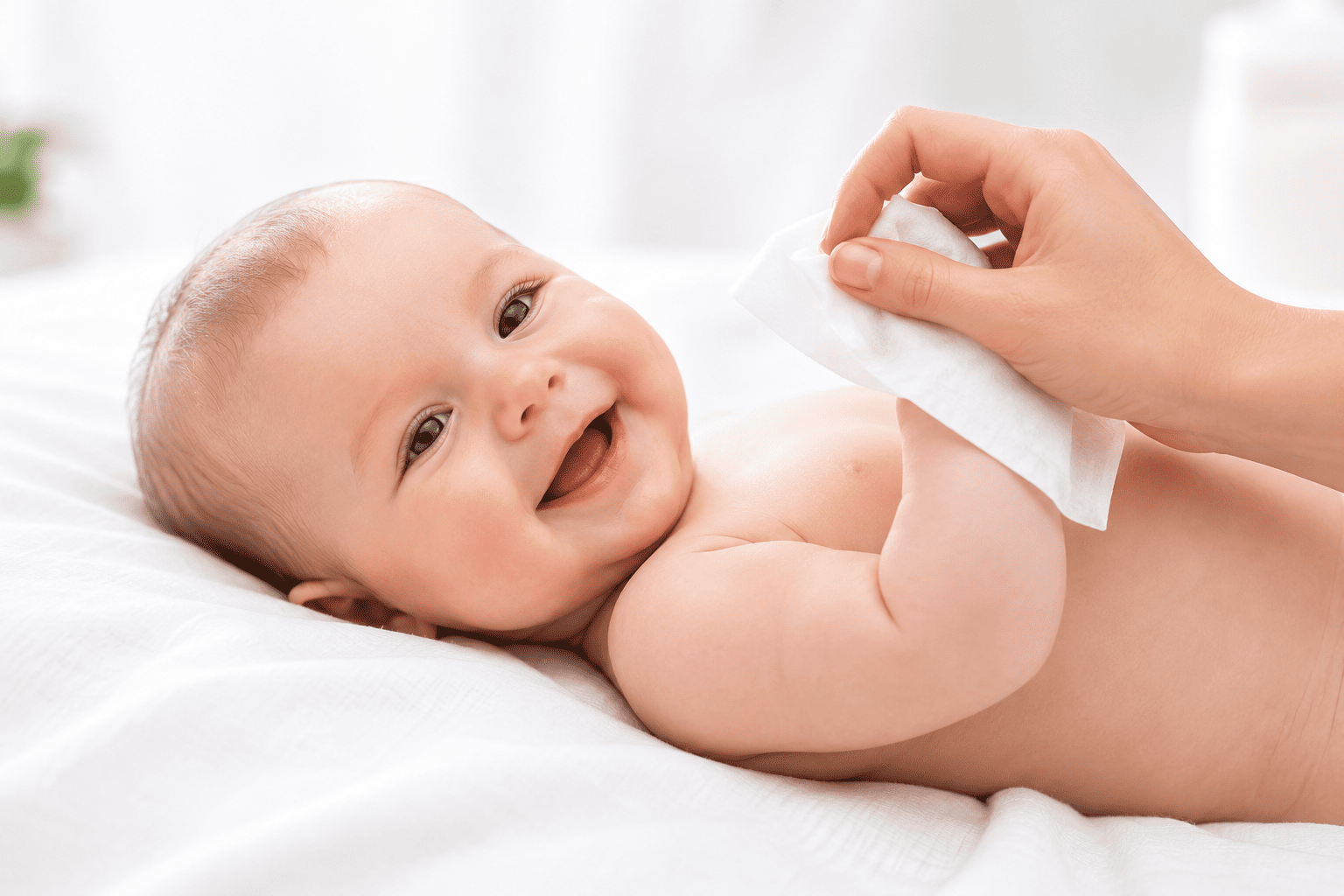
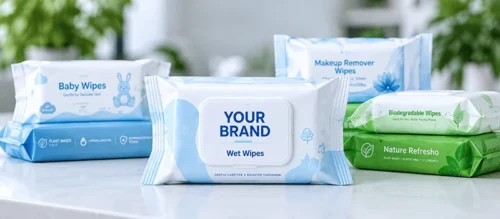


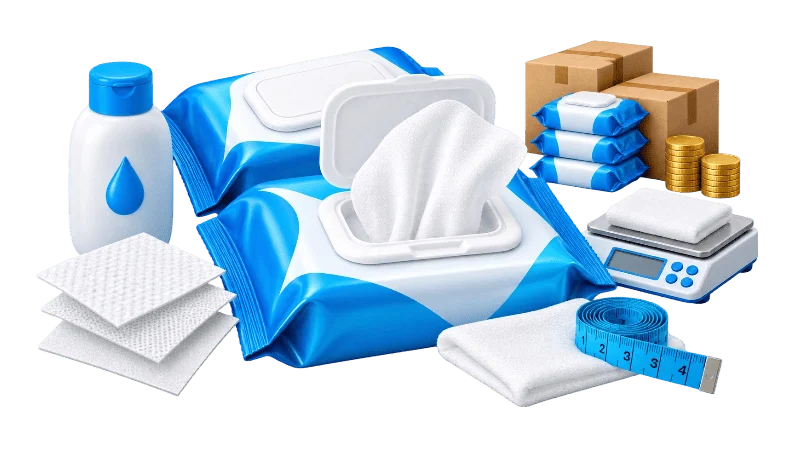
Private label water baby wipes may appear simple: soft nonwoven sheets saturated with a lotion containing a high percentage of purified water. Behind that simple positioning, however, is a combination of material, formulation, packaging and production decisions that directly affect both product quality and unit cost.
Two quotations for apparently similar baby wipes can differ significantly because the underlying specifications may not be equal. Comparing price per pack without comparing those specifications can therefore be misleading.
For brands sourcing from a wet wipes manufacturer or wet wipes supplier, understanding these variables makes it easier to control the budget without weakening the product experience.
Water Percentage Is Only One Part of Product Quality
Water baby wipes are normally positioned around a lotion in which purified water is the main ingredient. Some products make a specific water-percentage claim, while others use broader wording such as water-based or high-water-content baby wipes.
A higher water percentage does not automatically create a safer, softer or better-performing wipe. The water must meet the manufacturer’s quality standards, and the complete lotion still needs to remain stable and microbiologically protected. The substrate, moisture level, pack closure and production environment also influence the finished product.
If a brand wants to state “99% water” or another numerical claim, that percentage must match the approved formula.
Formula Design Affects Safety, Positioning and Cost
A streamlined formula may contain purified water together with a preservation system, pH adjusters and ingredients needed for stability or skin feel.
Every additional ingredient can affect cost, compatibility, documentation and testing. Expensive extracts do not automatically improve performance, while removing necessary ingredients may create stability or preservation problems.
Preservation is particularly important in water-rich baby wipes. The product is exposed to air and hands after opening, and a multi-count pack may remain in use for an extended period. An effective preservation system must therefore be chosen for the complete formula and confirmed through appropriate testing.
A reliable wet wipes manufacturer should be able to explain the function of each ingredient and assess requested ingredient exclusions. Buyers should be cautious when a supplier agrees to claims such as preservative-free, hypoallergenic or suitable for sensitive skin without first reviewing formulation, evidence and target-market requirements.
Nonwoven Composition Shapes the Consumer Experience
The lotion receives much of the marketing attention, but the nonwoven is what consumers touch. Fiber composition affects softness, absorbency, strength, stretch, linting and the way the sheet releases liquid during use.
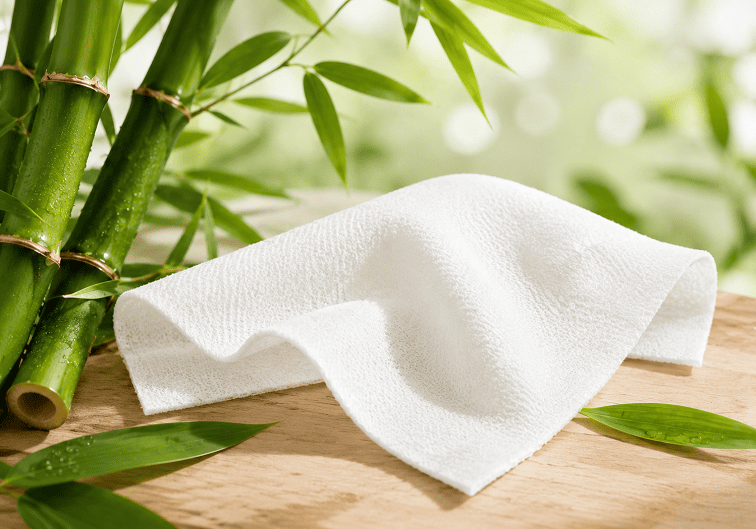
Water baby wipes may use viscose/polyester spunlace, 100% viscose materials, lyocell-based substrates or other cellulose-based structures. Polyester can contribute strength and dimensional stability, while cellulose-based fibers are often selected for softness and liquid affinity. The best choice depends on the desired performance, sustainability positioning and budget.
Material claims must reflect the complete composition and available evidence. Specialty fibers and certified materials can raise cost but may support a premium position. Buyers should request the fiber ratio, not only a description such as “spunlace nonwoven.”
GSM, Fabric Structure and Embossing Influence Quality
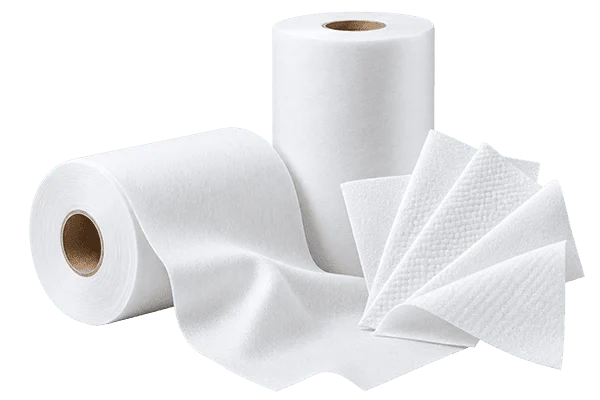
GSM means grams per square meter and describes the weight of dry fabric per unit area. When other variables remain similar, a higher GSM usually means more material is used for each wipe. This generally increases substrate cost and may create a fuller hand feel.
However, GSM is not the same as thickness, softness or strength. Two 50 gsm fabrics can feel different because of fiber type, web structure, hydroentanglement, density and finishing.
Plain spunlace creates a clean, uniform appearance. Pearl, dot, mesh and other patterns can change texture, visual appeal and perceived thickness. A deeper pattern may look more premium, but it should still feel appropriate for delicate baby care.
Buyers should compare identified samples with the intended lotion because a dry swatch cannot show final wet performance.
Wipe Dimensions and Sheet Count Drive Material Use
Open sheet size is one of the clearest cost factors. A difference of one or two centimeters may appear minor, but it changes the amount of nonwoven used across every sheet and every production run.
Pack count has a similar effect. A 30-count pack and an 80-count pack cannot be compared only by their external appearance. More sheets mean more fabric, more lotion, a taller stack and potentially a larger package.
If a wipe is too small, thin or weak, consumers may use several sheets per diaper change. It’s better of brands to state the open dimensions and sheet count clearly rather than request “standard baby wipes.”
Lotion Loading Changes Moisture and Pack Weight
Lotion loading describes how much liquid is applied relative to the dry nonwoven. It influences moisture perception, cleaning glide, finished pack weight and formula consumption.
Too little lotion can make the wipes feel dry, especially toward the bottom or end of the pack. Excess lotion may cause dripping, leakage, pack swelling or sheets sticking together. It can also raise formula and freight costs without improving the user experience.
The correct level depends on fabric absorbency, GSM, wipe size, pack count and desired wetness. A wet wipes supplier should test the final formula and moisture distribution throughout the pack.
Folding and Dispensing Affect Perceived Quality
Consumers often use baby wipes with one hand, so convenient dispensing is an important quality indicator. The fold, overlap between sheets, fabric friction, lotion loading, stack compression and package opening must work together.
Excessive overlap or sheet friction can cause multiple wipes to emerge together, while insufficient overlap can let the next wipe fall back. Higher GSM may also increase stack compression if pack dimensions remain unchanged.
Finished-pack samples should be tested from the first wipe to the last before mass production approval.
Packaging Can Create a Major Price Difference
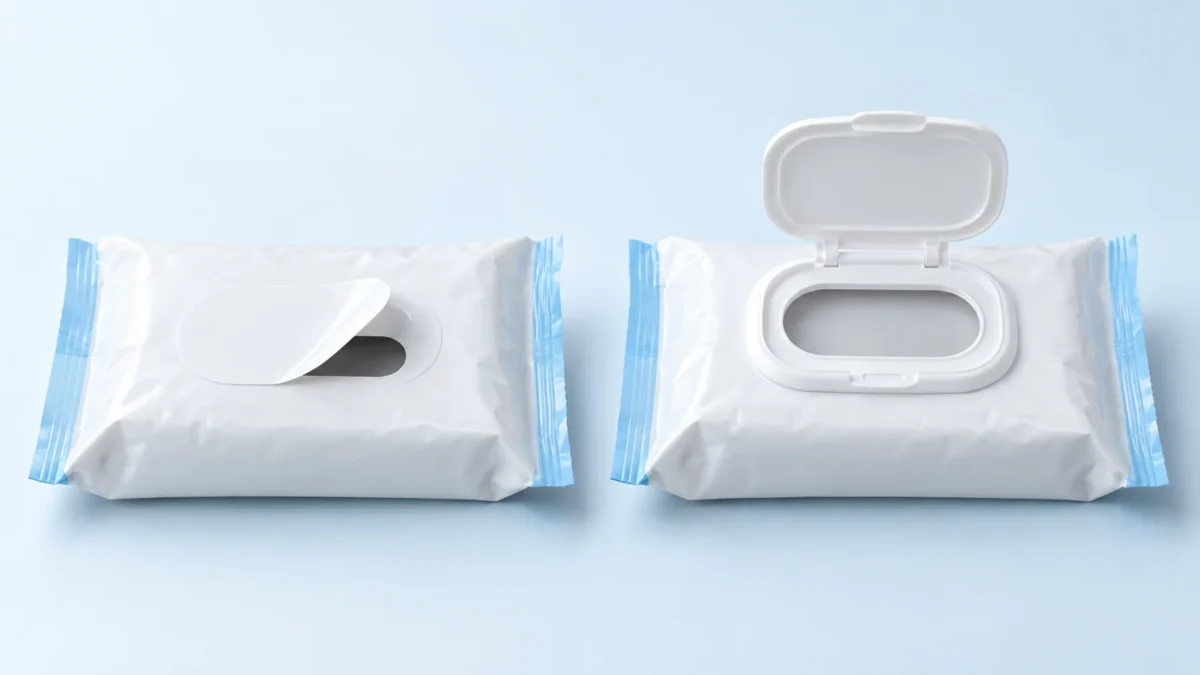
Soft packs with resealable labels are generally more economical than packs with plastic flip-top lids. A lid adds material, assembly and transport volume, but it can provide a more structured opening and convenient repeated use.
Packaging cost is also influenced by:
- Film structure and materials
- Printed film dimensions and color requirements
- Label or lid size
- Pack dimensions and seal configuration
- Carton style and packs per carton
- Carton printing quantity
- Pallet and shipping requirements
Poor barrier performance, weak seals or unreliable labels can lead to moisture loss, leakage and complaints. The finished pack structure should therefore be approved before artwork.
MOQ and Customization Influence the Unit Cost
Private label baby wipes require setup, raw-material preparation, printed packaging and production-line changeover. These costs are distributed across the order quantity, which is why smaller runs often have a higher unit price.
The minimum order quantity may be determined by the manufacturing line, printed film supplier, lid color, special fabric or customized formula. Even when a wet wipes manufacturer can run a small quantity, the buyer may still need to purchase a larger minimum quantity of printed packaging.
Standard formulas, fabrics and lids can reduce development cost. Buyers should confirm whether the MOQ applies to finished packs, packaging materials or both and how unused customized materials will be handled.
Testing and Compliance Should Be Budgeted Early
Testing is part of product development, not an optional detail to consider after production. Depending on the formula, claims and sales market, private label water baby wipes may require microbiological testing, preservative efficacy testing, stability evaluation, packaging compatibility, skin-related testing or other supporting work.
Requirements differ by market and retailer, and existing reports may not cover formula changes or new claims. Intended sales countries and claims should be shared with the wet wipes supplier early.
Manufacturing Consistency Protects the Product Specification
An approved sample is useful only when the wet wipes manufacturer can reproduce it consistently. Production quality depends on raw-material control, water quality, formula preparation, dosing accuracy, line hygiene, sealing parameters and inspection procedures.
Controls may cover fabric GSM and dimensions, lotion dosage, pack weight, pH, microbiological limits, seals and printing. Buyers should also define which material or formula changes require advance approval and new samples.
How to Compare Water Baby Wipes Quotations Accurately
Every supplier should quote against the same product brief. At minimum, compare:
- Formula and intended water-content claim
- Nonwoven composition, GSM and pattern
- Open sheet size
- Fold method and sheet count
- Lotion loading
- Packaging film, label or lid
- Finished pack and carton dimensions
- Testing and documentation included
- MOQ, lead time and payment terms
- Treatment of unused printed materials
Samples shipping fee, plate fee, testing, freight and inspection may be quoted separately. The best value is the specification that delivers the required experience and support at a sustainable total cost.
Frequently Asked Questions About Private Label Water Baby Wipes
1. Are private label water baby wipes always 99% water?
No. Water percentage depends on the approved formula. Any numerical claim should accurately match the finished product.
2. Why do quotations from wet wipes manufacturers differ so much?
Differences may come from fabric composition, GSM, sheet size, pack count, lotion loading, packaging, testing, MOQ and included services.
3. Does a higher GSM always mean better-quality baby wipes?
Not necessarily. Higher GSM means greater fabric weight, but fiber composition and fabric structure also determine softness, thickness and wet strength.
4. Which nonwoven is best for water baby wipes?
There is no universal best material. Selection depends on softness, strength, absorbency, sustainability claims, target price and market positioning. However, 100%viscose and natural fiber such as bamboo fiber is relatively a premium choice.
5. Can a wet wipes supplier produce fragrance-free baby wipes?
Yes, subject to formula confirmation. “Fragrance-free” should reflect the actual ingredient list and intended label claim.
6 . What causes several wipes to dispense together?
Possible causes include excessive overlap, high sheet friction, heavy lotion loading, stack compression, an unsuitable package opening or wrong dispensing method.
7. How does order quantity affect the price?
Larger orders distribute setup and packaging costs across more units. Small customized runs generally have a higher unit cost.
8. What tests should a buyer request?
The test plan depends on the formula, claims and target market and may include microbiological, challenge, stability, compatibility and skin-related testing.
9. How should buyers select a baby wipes manufacturer?
Compare product samples, specification transparency, quality controls, testing support, communication, capacity and change-control procedures alongside price.
Final Thoughts
The quality and cost of private label water baby wipes are determined by connected decisions. Formula, fabric, GSM, wipe size, lotion loading, folding, packaging, order quantity and testing all affect the result. Cutting one cost may weaken performance elsewhere.
Brands should compare complete specifications and finished samples before choosing a wet wipes supplier. Working with a manufacturer that provides clear technical information and controlled approvals makes it easier to balance quality, positioning and budget.
QIMEI supports OEM and private label baby wipes projects with customizable formulas, nonwoven materials, wipe specifications and packaging formats. Share your target market, order quantity and product requirements to receive a specification-based quotation.
Looking forward the water baby wipe manufacturer? Contact QIMEI to discuss about your product requirements.