 Meet Qimei at PLMA Chicago 2026 · November 15–17, 2026 · Booth #H3029
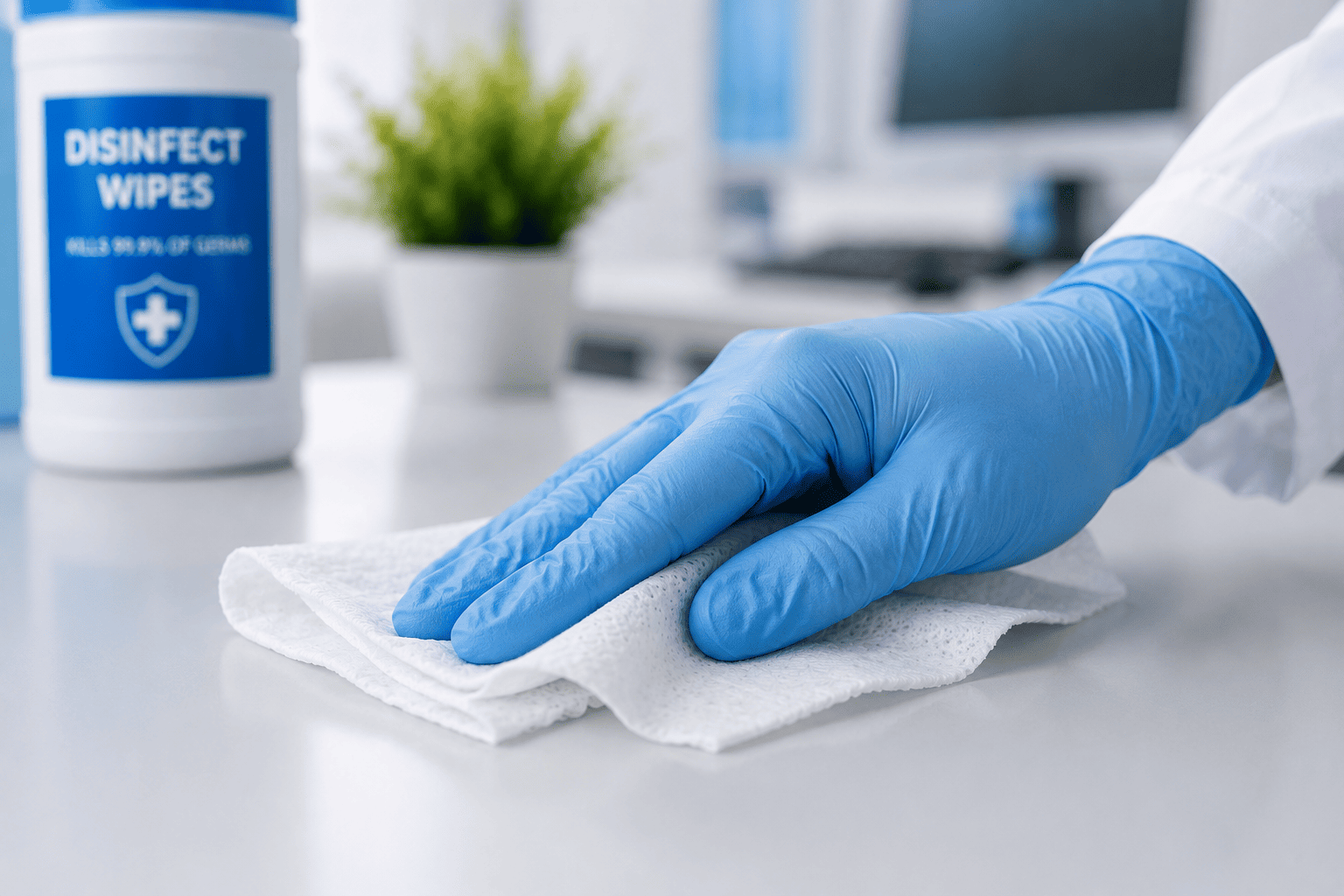
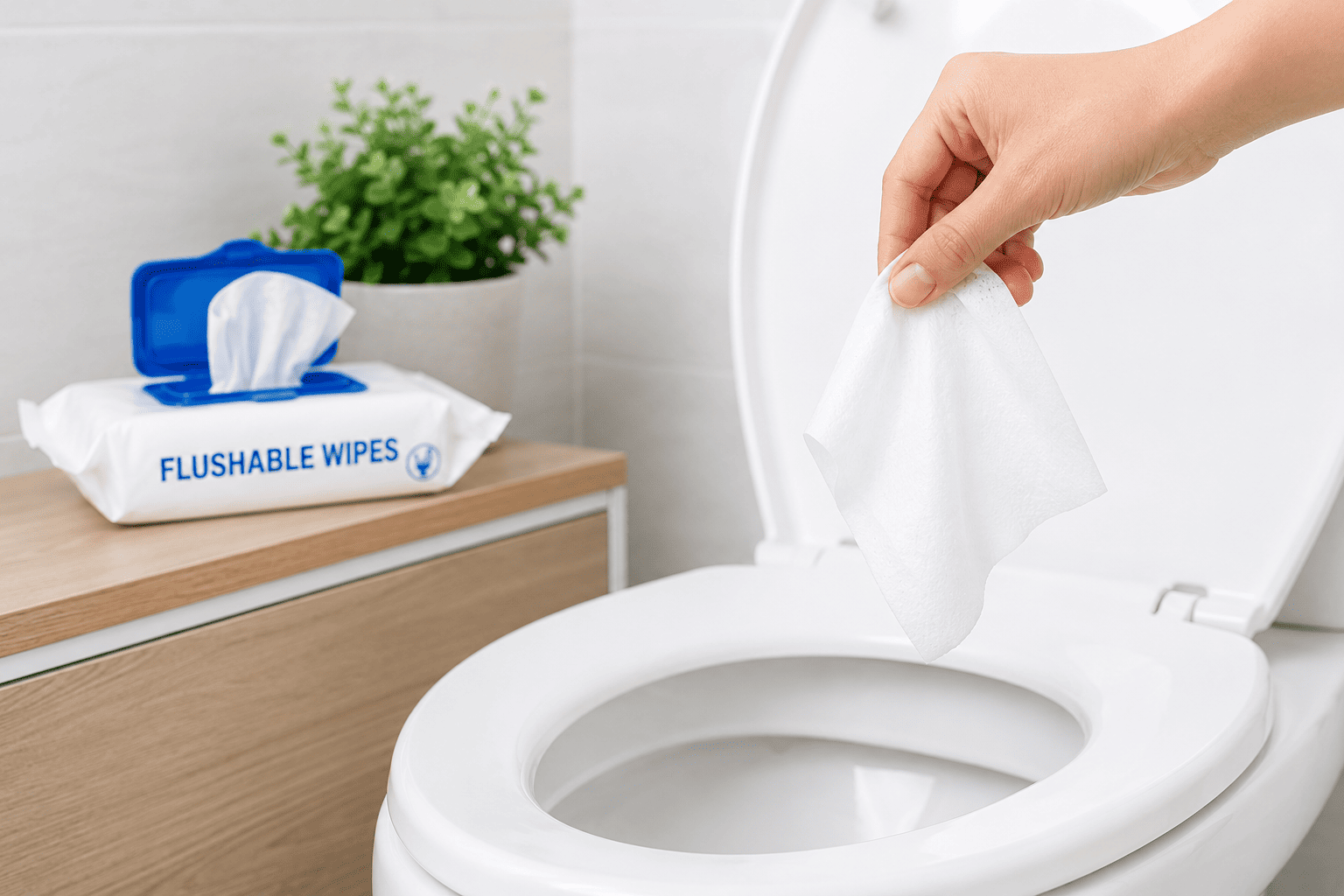
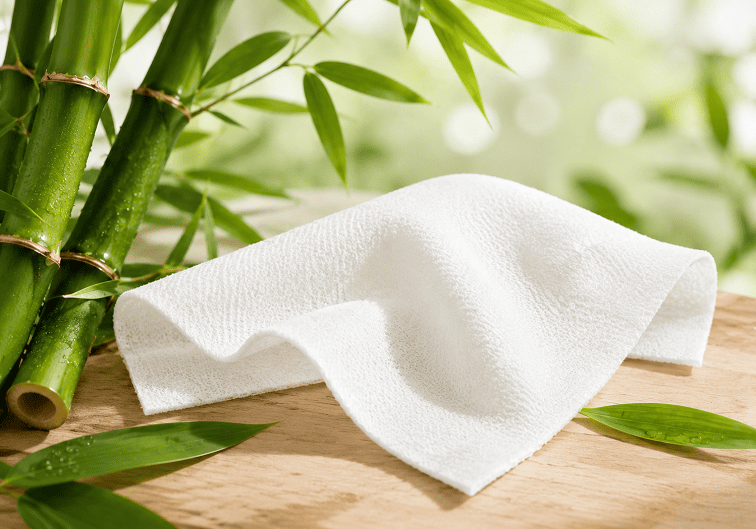
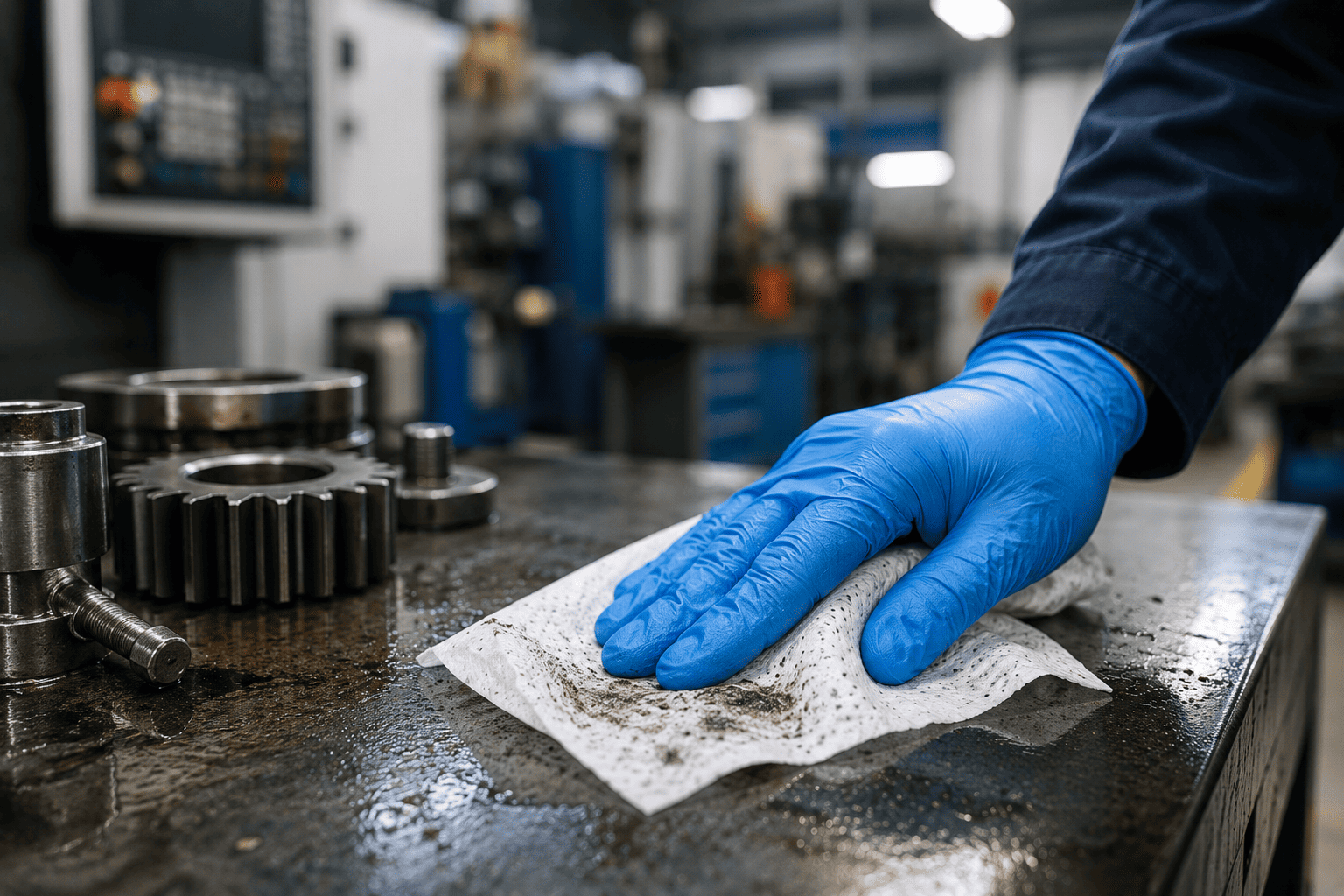
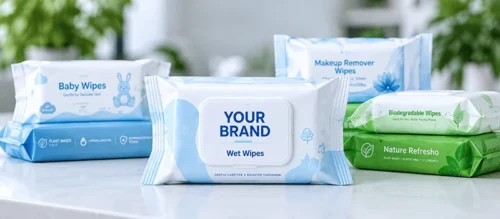


When developing wet wipes, choosing the right nonwoven fabric is just as important as selecting the right liquid formulation. The substrate affects softness, strength, absorbency, liquid retention, cleaning performance, sustainability, and overall product cost.
So, what nonwoven fabric is best for wet wipes?
There is no single material that works best for every application. The right choice depends on the type of wipes, target performance, formulation, packaging, sustainability requirements, and target price.
Common materials include viscose, polyester, bamboo viscose, wood pulp, lyocell, and different fiber blends.
In this guide, we explain the most common nonwoven materials used for wet wipes and how to choose the right substrate for your product.
What Is Nonwoven Fabric?
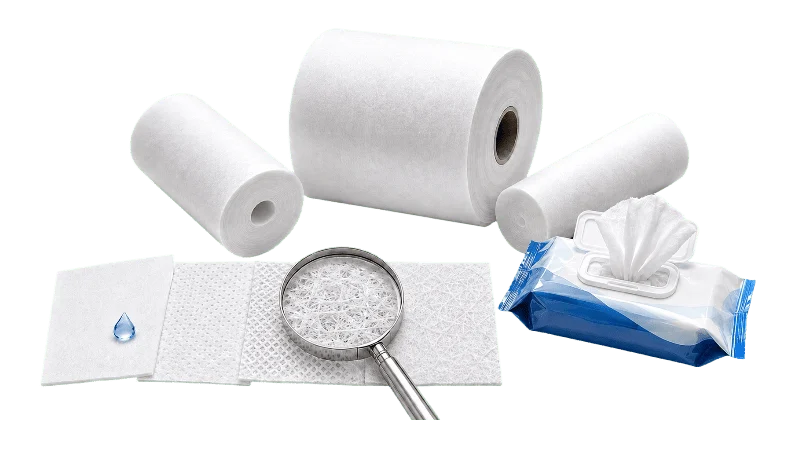
Nonwoven fabric is a textile-like material made by bonding or mechanically entangling fibers rather than weaving or knitting them.
For wet wipes, spunlace nonwoven is one of the most commonly used technologies. High-pressure water jets entangle the fibers to create a soft, strong, and absorbent sheet.
Nonwoven fabric can be engineered to provide different combinations of:
- Softness
- Strength
- Absorbency
- Liquid retention
- Thickness
- Surface texture
- Fiber composition
- Biodegradability
This flexibility makes nonwoven fabric suitable for many different types of wet wipes.
Why Does Nonwoven Fabric Matter for Wet Wipes?
The nonwoven substrate is the main physical component of a wet wipe and has a direct impact on how the finished product feels and performs.
Softness
Softness is especially important for products that come into direct contact with skin.
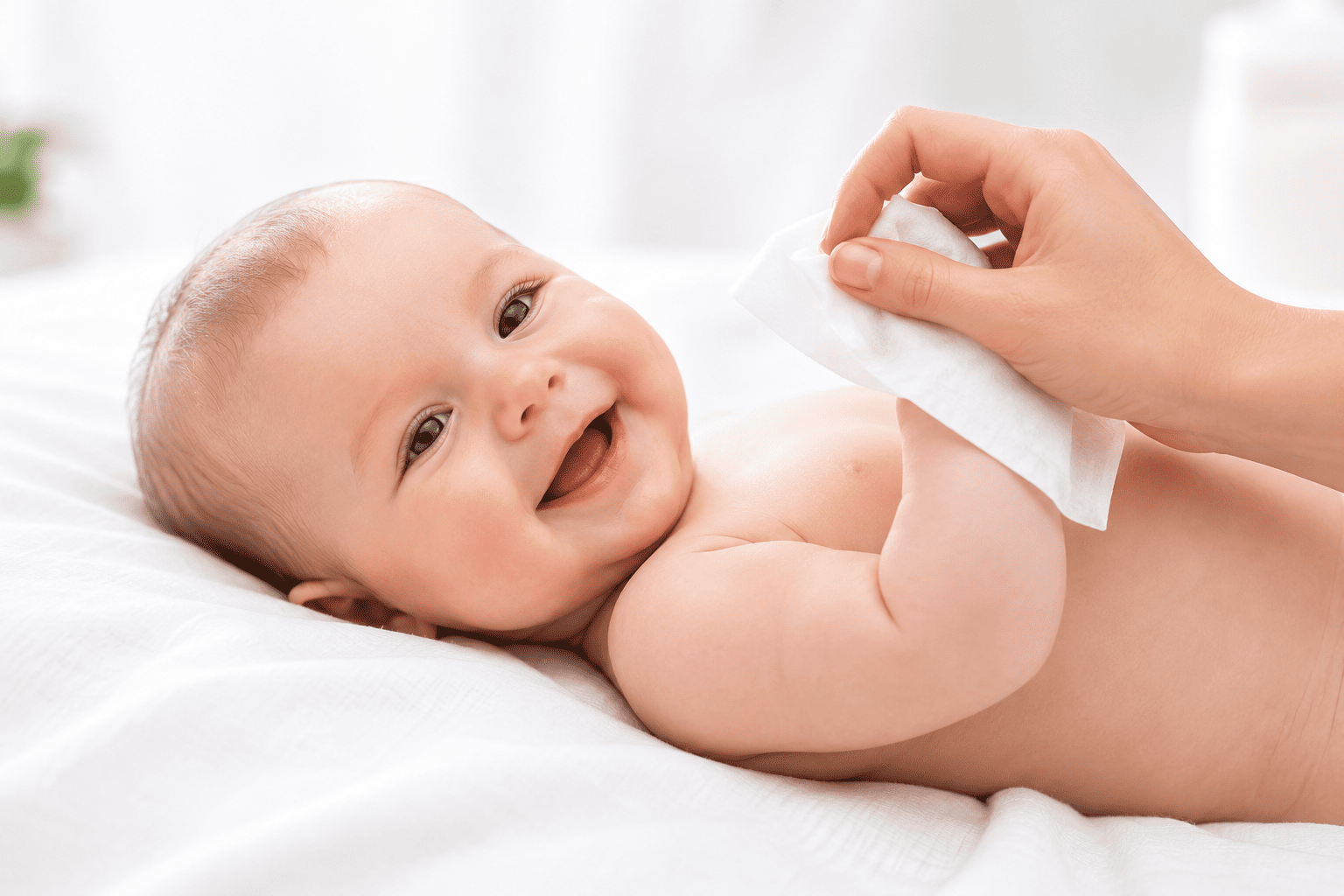
Baby wipes, facial wipes, makeup remover wipes, adult wipes, intimate wipes, and other personal care wipes generally require a soft and comfortable substrate.
Strength
Wet wipes need to remain intact during use.
A weak substrate may tear when the wipe is pulled or rubbed, while cleaning and industrial wipes may require significantly higher strength.
Absorbency
The fabric needs to absorb and retain an appropriate amount of liquid.
However, high absorbency is not always the only goal. The wipe must also release enough liquid during use to provide the required cleaning or skin-care performance.
Surface Texture
The surface structure of the nonwoven can affect cleaning performance.
A smooth substrate may be preferred for sensitive skin, while a textured substrate can provide additional mechanical cleaning performance for certain household applications.
Sustainability
Material selection is increasingly important for brands developing more sustainable wet wipes.
Cellulose-based materials such as viscose, bamboo viscose, wood pulp, and lyocell may be considered for products with specific sustainability goals.
However, the sustainability of a finished wipe depends on more than the fiber itself. Fiber sourcing, fabric construction, formulation, packaging, and disposal should also be considered.
Common Nonwoven Materials for Wet Wipes
Viscose Nonwoven
Viscose is one of the most widely used fibers for wet wipes.
It is a regenerated cellulose fiber commonly used in spunlace nonwoven fabrics.
Key characteristics include:
- Soft hand feel
- Good absorbency
- Good liquid retention
- Comfortable for skin
- Suitable for personal care applications
Viscose is commonly used for:
- Baby wipes
- Facial wipes
- Makeup remover wipes
- Adult wipes
- Personal care wipes
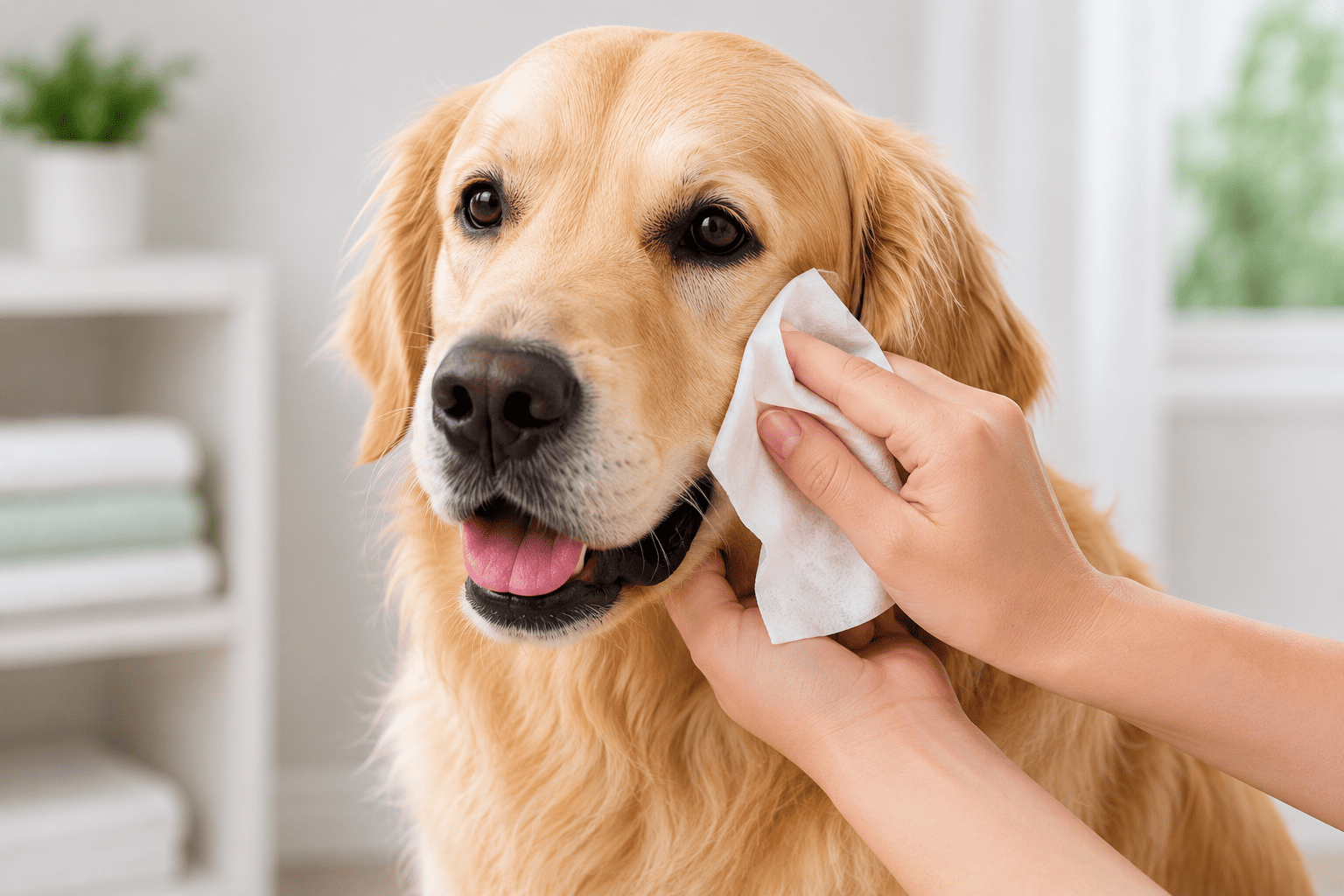
- Pet wipes
For brands looking for a soft and absorbent substrate, viscose is often one of the first materials to consider.
Polyester Nonwoven
Polyester is a synthetic fiber known for its strength and durability.
Compared with many cellulose-based fibers, polyester provides higher resistance to mechanical stress and can be suitable for demanding cleaning applications.
Key characteristics include:
- High strength
- Good durability
- Good dimensional stability
- Consistent performance
- Suitable for cleaning applications
Polyester can be used for:
- Household cleaning wipes
- Industrial wipes
- Car cleaning wipes
- Glass cleaning wipes
- Specialty cleaning wipes
Because polyester is a synthetic fiber, it may not be the preferred choice for brands targeting biodegradable or plastic-free wipe products.
Bamboo Viscose
Bamboo viscose is a regenerated cellulose fiber made from bamboo-derived cellulose.
It is often selected by brands looking for a plant-based material and a soft, premium hand feel.
Key characteristics include:
- Softness
- Good absorbency
- Comfortable skin feel
- Plant-derived cellulose source
- Suitable for premium products
Bamboo viscose can be used for:
- Baby wipes
- Facial wipes
- Personal care wipes
- Pet wipes
- Eco-oriented wet wipes
When making environmental claims, brands should distinguish between the raw material source and the actual fiber manufacturing process and ensure that claims meet the requirements of the target market.
Wood Pulp
Wood pulp is a cellulose-based material that can be incorporated into nonwoven wipe substrates.
It can provide good absorbency and may be combined with other fibers to achieve a balance of softness, strength, and dispersibility.
Wood pulp-based materials can be considered for:
- Flushable wipes
- Personal care wipes
- Cleaning wipes
- Biodegradable wipe concepts
However, using wood pulp alone does not automatically make a wipe flushable. The complete substrate construction and finished wipe must meet the relevant performance requirements.
Lyocell
Lyocell is a regenerated cellulose fiber known for its softness and smooth, premium hand feel.
It can be used for higher-end personal care and cosmetic wipes.
Typical characteristics include:
- Softness
- Good absorbency
- Smooth hand feel
- Cellulose-based composition
- Premium positioning
Lyocell can be an attractive option for brands looking to develop premium personal care wipes with a high-quality tactile experience.
Fiber Blends
A single fiber is not always the best solution.
Manufacturers can combine different fibers to balance performance, cost, and product requirements.
Common examples include:
- Viscose and polyester
- Viscose and wood pulp
- Wood pulp and other cellulose fibers
- Cellulose and synthetic fiber blends
Blended nonwovens can provide a combination of softness, strength, absorbency, and cost efficiency.
The optimal fiber ratio depends on the intended application and required performance.
Viscose vs. Polyester for Wet Wipes
Viscose and polyester are two common options, but they provide different characteristics.
| Property | Viscose | Polyester |
|---|---|---|
| Softness | Excellent | Good |
| Absorbency | Excellent | Lower |
| Strength | Good | Excellent |
| Skin feel | Excellent | Good |
| Liquid retention | Good–Excellent | Lower |
| Fiber type | Regenerated cellulose | Synthetic |
| Typical applications | Personal care | Cleaning and industrial |
Actual performance depends on the fiber properties, fabric construction, GSM, finishing, and manufacturing process.
What Is the Best Fabric for Baby Wipes?
For baby wipes, softness and absorbency are usually among the most important considerations.
Common options include:
- 100% viscose
- Bamboo viscose
- Viscose-based blends
- Other cellulose-based substrates
The substrate should also be compatible with the selected formulation.
The fabric and liquid formula should therefore be evaluated together during product development.
What Is the Best Fabric for Makeup Remover Wipes?
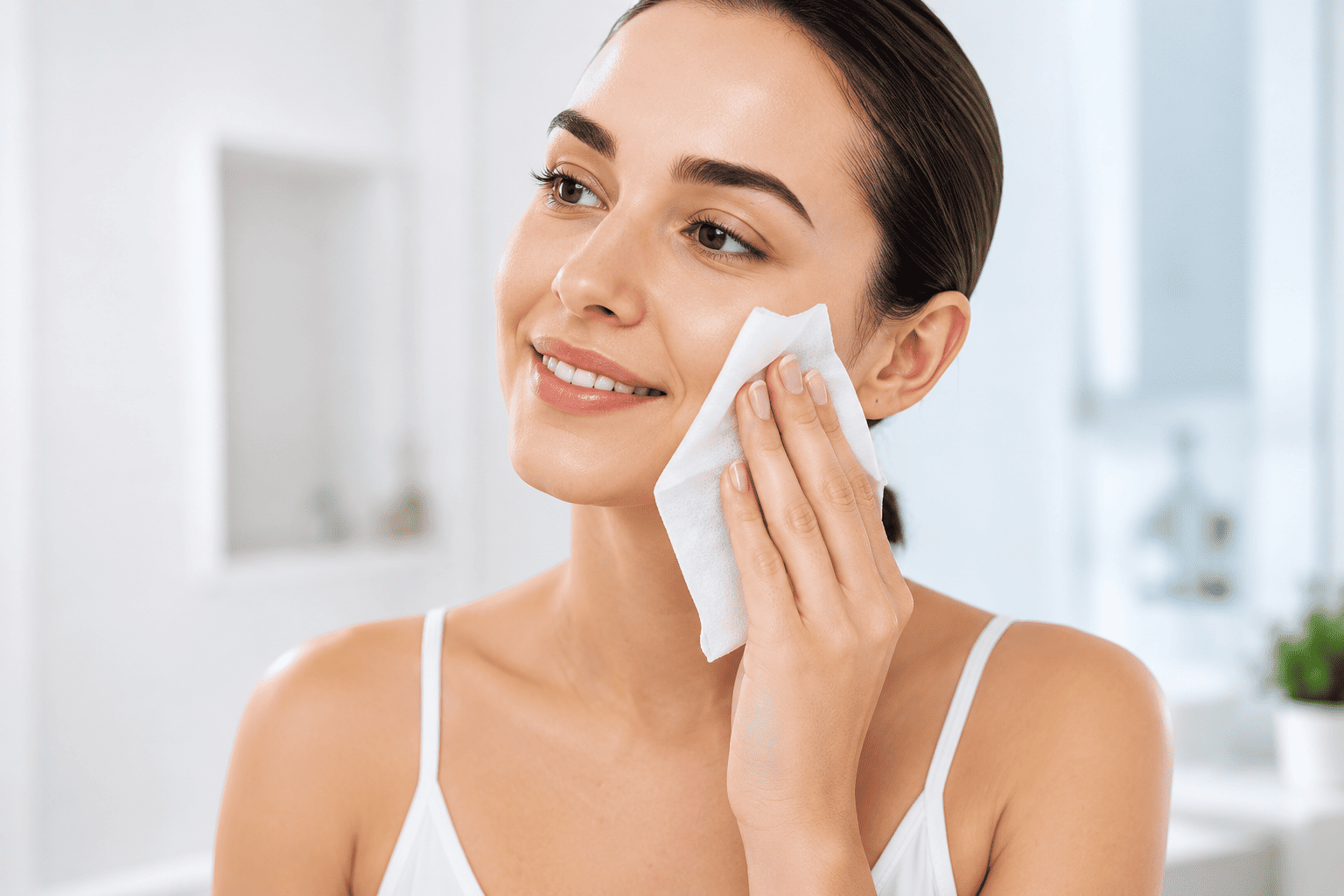
Makeup remover wipes need to remove makeup effectively while maintaining a comfortable skin feel.
A suitable substrate should provide:
- Softness
- Good liquid absorption
- Good liquid release
- Adequate strength
- A comfortable surface texture
Viscose and other soft cellulose-based materials are commonly considered for this type of product.
However, makeup removal performance depends on the interaction between the nonwoven substrate and cleansing formulation.
What Is the Best Fabric for Cleaning Wipes?
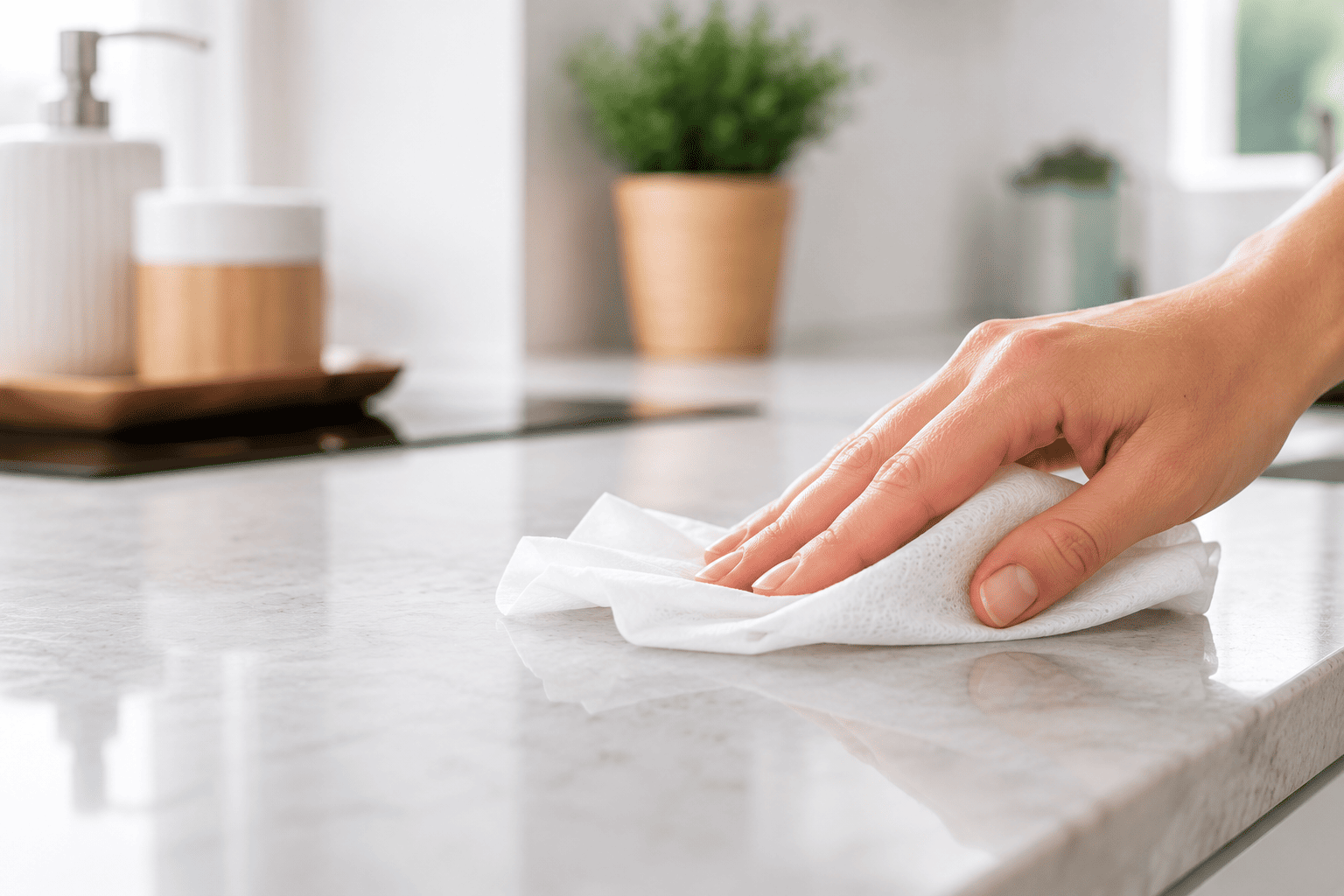
Cleaning wipes have different requirements from personal care wipes.
Depending on the application, the substrate may need:
- Higher strength
- Good abrasion resistance
- Good liquid retention
- Good cleaning performance
- Low lint
- Suitable chemical compatibility
Polyester or polyester-containing blends can be suitable for applications where strength and durability are important.
For specialized cleaning wipes, the fabric should be selected together with the cleaning formulation.
What Is the Best Fabric for Biodegradable Wet Wipes?
Cellulose-based fibers such as viscose, bamboo viscose, lyocell, and wood pulp may be considered when developing biodegradable wet wipes.
However, a biodegradability claim should not be based only on the name of the fiber.
The complete wipe construction should be evaluated, including:
- Fiber composition
- Binders and additives
- Fabric construction
- Finished product composition
- Applicable biodegradation standards
- Target market requirements
A wipe described as plant-based is not automatically biodegradable under every condition.
What Is the Best Fabric for Flushable Wipes?
Flushable wipes require a different approach from conventional wet wipes.
The substrate needs to provide sufficient strength and performance during use while also being designed to break down appropriately under relevant conditions.
Cellulose-rich and wood-pulp-based substrates may be considered for flushable wipe development.
However, simply using wood pulp or viscose does not automatically make a product flushable.
Finished-product testing and compliance with applicable flushability guidelines or standards are important when developing a flushable wipe.
Does GSM Matter for Wet Wipes?
Yes.
GSM, or grams per square meter, describes the weight of the nonwoven fabric per unit area.
Common wet wipe substrates may include different GSM levels depending on the intended application.
A higher GSM generally means more material per square meter, but higher GSM does not automatically mean a better wipe.
The ideal GSM depends on:
- Wipe size
- Fiber composition
- Required strength
- Desired softness
- Absorbency
- Product positioning
- Target cost
GSM should therefore always be evaluated together with fiber composition and fabric construction.
How Do You Choose the Right Nonwoven Fabric?
When developing a new wet wipe, consider the following questions.
1. What Is the Application?
Is the product intended for:
- Baby care
- Personal care
- Makeup removal
- Pet care
- Household cleaning
- Industrial cleaning
- Disinfection
- Flushable use
The application is the starting point for material selection.
2. What Level of Softness Is Required?
If the wipe will be used directly on skin, softness is especially important.
For industrial applications, strength and durability may have greater priority.
3. How Much Liquid Does the Wipe Need to Hold?
Different substrates have different absorption and liquid retention characteristics.
The formulation should be tested together with the selected fabric.
4. What Strength Is Required?
If the wipe needs to withstand stronger wiping or repeated use, a higher-strength substrate or blended construction may be more appropriate.
5. What Is Your Sustainability Target?
If sustainability is important, cellulose-based substrates may be considered, but the complete product should be evaluated rather than looking only at the fiber composition.
6. What Is Your Target Cost?
Material selection has a significant effect on the final product cost.
A professional wet wipes manufacturer can help compare different fabric options and identify the best balance between performance, sustainability, and cost.
Why Work With an Experienced Wet Wipes Manufacturer?
Selecting the right nonwoven fabric is easier when the manufacturer understands both nonwoven technology and wet wipes production.
An experienced manufacturer can evaluate the complete system:
Fiber → Nonwoven Fabric → Formulation → Liquid Loading → Folding → Packaging → Finished Product
This is important because changing the fabric can affect other parts of the product.
For example, changing from polyester to viscose may influence:
- Liquid absorption
- Liquid release
- Wipe softness
- Tensile strength
- Finished pack weight
- Production settings
- Overall product cost
Therefore, fabric selection should ideally happen during the early stages of product development.
Final Thoughts
So, what nonwoven fabric is best for wet wipes?
The answer depends on the product.
For soft personal care products, viscose, bamboo viscose, lyocell, and other cellulose-based materials can provide excellent softness and absorbency.
For demanding cleaning applications, polyester or polyester-containing blends may provide the additional strength required.
For biodegradable or flushable product concepts, cellulose-rich materials may be considered, but the finished wipe should be evaluated against the relevant performance and regulatory requirements.
There is no universal best nonwoven fabric.
The best substrate is the one that provides the right balance of softness, strength, absorbency, liquid release, sustainability, performance, and cost for your specific product.
At QIMEI, we support OEM and private label wet wipes development, including nonwoven material selection, customized formulations, packaging development, production, and quality control.
Looking for the right nonwoven fabric for your wet wipes? Contact QIMEI to discuss your product requirements.