 Meet Qimei at PLMA Chicago 2026 · November 15–17, 2026 · Booth #H3029
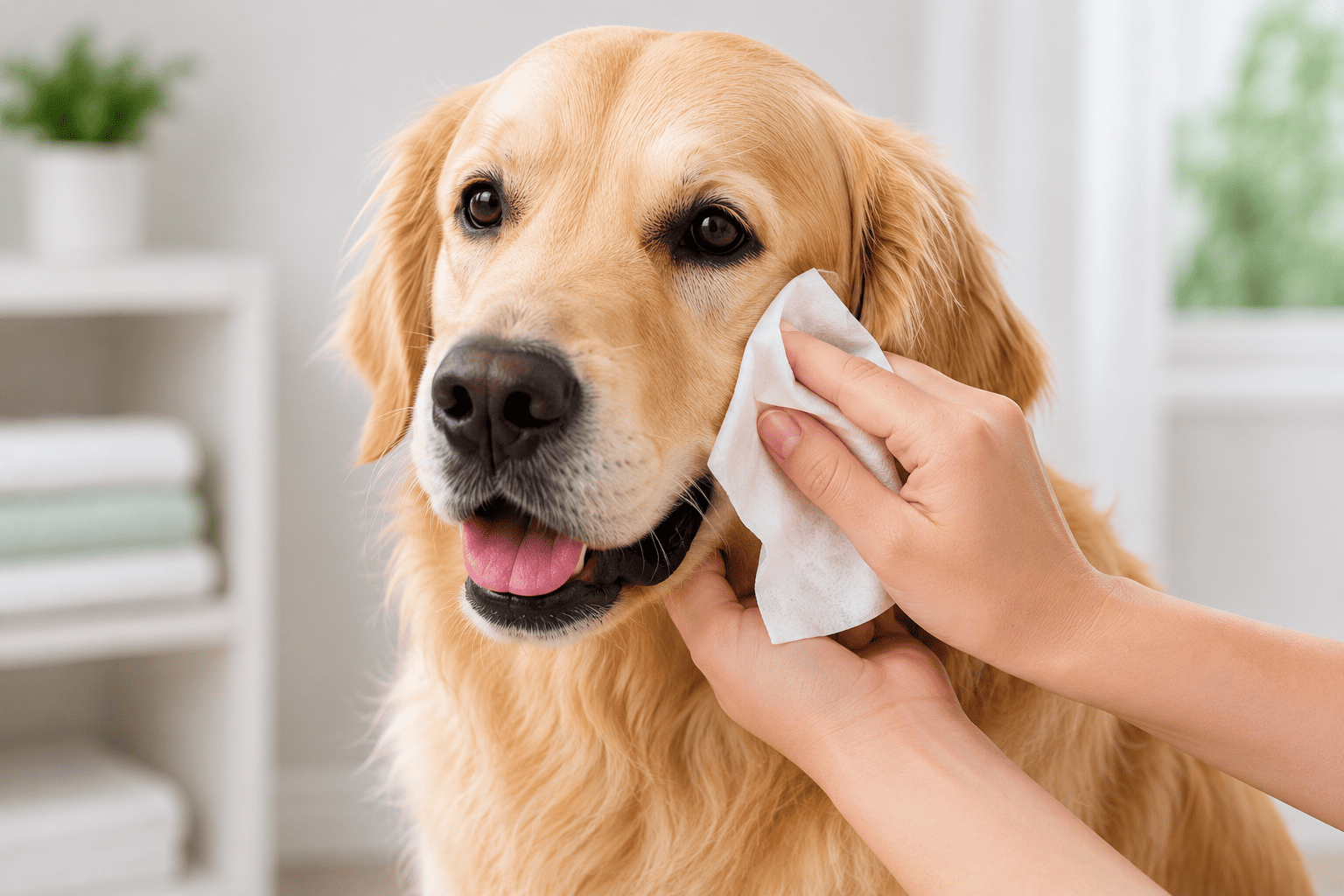


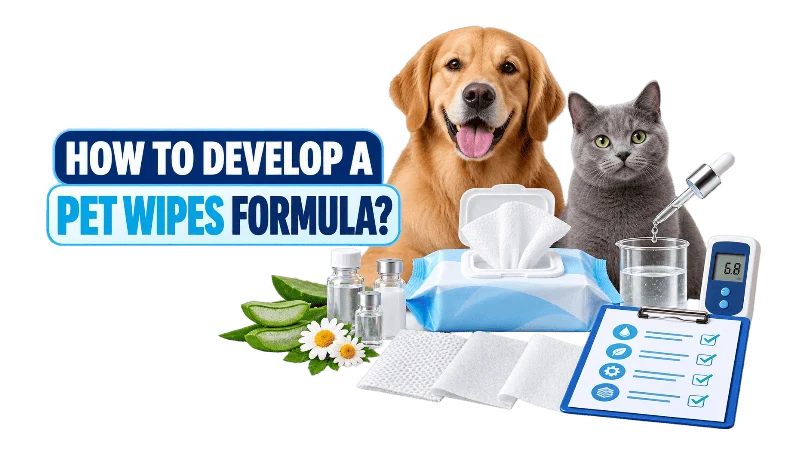
Pet wipes may look simple, but a good product needs careful planning. A wipe that works well for paws may not be right for a pet’s face. A deodorizing grooming wipe needs a different formula from an eye-area wipe or a full-body cleaning wipe.
For brand owners, the first step is not choosing a fragrance or packaging design. It is defining what the wipe should do.
A clear product brief helps a pet wipes manufacturer select the right formula, nonwoven material and pack format. It also reduces costly changes later in the project.
This guide explains the main steps in pet wipes formula development for private label wet wipes and OEM wet wipes projects.
Start with the Intended Use
There is no one formula that fits every pet wipe. The intended use should guide the whole development process.
Common pet wipes applications include:
- Daily paw cleaning
- Coat and body cleaning
- Deodorizing after walks
- Face and muzzle cleaning
- Ear-area cleaning
- Eye-area cleaning
- Puppy and kitten care
- No-rinse grooming between baths
- Travel and outdoor pet care
A paw wipe may need stronger soil-removal performance. A face wipe should be mild and free from harsh ingredients. A deodorizing wipe may include odor-control ingredients and a light pet-friendly fragrance. A full-body grooming wipe may need a larger sheet and higher lotion loading.
Before speaking with a pet wipes supplier, write down the target pet type, use occasion, target market, pack count and desired claims. This gives the factory a practical starting point.
Build the Formula Around Gentle Cleansing
Most pet wipes use a water-based formula. Water is usually the main ingredient. It gives the wipe its moisture and helps remove light dirt from fur, skin and paws.
The formula may also include several supporting ingredients.
Humectants
Humectants help retain moisture in the wipe. They can also improve the feel of the liquid on the pet’s coat and skin.
Glycerin is often used in personal-care and pet-care wipes. The final level should match the intended product. Too much can leave a sticky feel. Too little may not provide the desired moisture.
Mild Cleansing Ingredients
A pet wipe needs enough cleaning ability for its intended use. However, strong cleansing systems may not be suitable for frequent use or sensitive skin.
Mild surfactants can help lift light dirt, dust and oil from the coat or paws. The formula should rinse away through wiping and should not leave a heavy residue. For daily grooming wipes, simple and gentle usually works best.
Conditioning Ingredients
Some brands want a soft, well-groomed after-feel. Conditioning ingredients can help the fur feel smoother after wiping. Plant extracts may also be considered when they support the product concept.
However, a long ingredient list does not automatically make a better wipe. Every ingredient should have a purpose. More ingredients can also make preservation, stability and cost control more difficult.
Be Careful with Fragrance and Essential Oils
Fragrance can make pet wipes feel more premium. Fresh, clean and light scents are common in grooming products. But fragrance should be chosen carefully.
Pets have a far stronger sense of smell than people. A scent that feels mild to a pet owner may be overwhelming to a dog or cat. Some pets may also be sensitive to fragranced products.
Unscented pet wipes are often a good option for puppies, kittens, sensitive pets and regular-use products. If fragrance is used, it should be low in intensity and suitable for the intended animal application.
Essential oils require extra caution. “Natural” does not always mean appropriate for pets. Certain oils and fragrance components may not be suitable for cats, dogs or other animals. Brands should ask the formula team to review ingredient suitability for the target pet type and intended use.
For eye-area, ear-area or sensitive-skin products, a simple fragrance-free formula is usually the safer product direction.
Select the Right Wet Wipes Raw Material
The wet wipes raw material changes how the product performs. It affects softness, absorbency, wet strength, wiping feel and final cost.
Common nonwoven options may include viscose, polyester, viscose and polyester blends, bamboo-derived materials, cotton-based materials and other suitable cellulose-based substrates.
For pet wipes, buyers should consider:
- Softness against the skin and coat
- Wet strength during use
- Absorption and lotion release
- Linting performance
- Sheet thickness and texture
- Material cost
- Product positioning
A small paw wipe may work with a lighter material. A large body or grooming wipe may need a stronger substrate. If the wipe is too thin, it may tear during use. If it is too thick, the pack may become bulky and expensive.
The material should always be tested with the final formula. A fabric that feels soft when dry can behave differently after lotion loading and storage.
Preservation Is a Core Part of the Formula
Pet wipes are wet products. This means preservation is essential.
The formula needs a suitable preservative system to control microbial growth during the product’s shelf life. The choice depends on the water system, pH, raw materials, packaging, intended market and total formula composition.
A preservative should not be selected only because it is common in another wipe product. It must work with the complete formula.
The pet wipes manufacturer should evaluate the formula through appropriate microbiological and preservation testing before mass production. A weak preservation system can lead to spoilage, odor changes, customer complaints and safety concerns.
Brands should also avoid making broad claims such as “preservative-free” unless the product design and supporting test evidence clearly justify that claim. In many cases, a well-designed preservation system is more responsible than a marketing claim that creates unnecessary risk.
Consider pH, Skin Feel and Residue
Pet skin is different from human skin. It also varies by animal type, breed, age and condition. For this reason, a human wet wipe formula should not simply be relabeled as a pet wipe formula.
The formula should be developed for the intended pet application. The pH should be reviewed as part of the complete system. The finished wipe should feel mild and should not leave excessive stickiness, oiliness or residue on fur.
This is especially important for pets that are cleaned frequently. If a wipe leaves too much product on the coat, the pet may dislike the feeling or lick the area after use.
During sample evaluation, check:
- How easily the wipe removes light dirt
- Whether the coat feels clean after wiping
- Whether the formula leaves residue
- Whether the wipe has a strong scent
- Whether the wipe remains moist throughout the pack
- Whether the material tears or pills during use
Decide Whether the Product Needs a Special Claim
A basic pet cleaning wipe may only need simple claims such as “for paws and coat,” “gentle daily cleaning” or “no-rinse grooming.”
Other products may require a more specific concept:
- Deodorizing pet wipes
- Hypoallergenic pet wipes
- Fragrance-free pet wipes
- Biodegradable pet wipes
- Plant-based pet wipes
- Extra-large pet grooming wipes
- Puppy wipes
- Cat wipes
Each claim should match the finished product. For example, a biodegradable claim depends largely on the material and the conditions under which it breaks down. A hypoallergenic claim should be supported by a carefully selected formula and appropriate substantiation. A deodorizing claim needs more than a strong fragrance.
The best approach is to create one clear product promise, then develop the wipe around that promise.
Choose the Pack Format Early
Packaging affects convenience, moisture retention and cost. It should be discussed during formula development, not after the formula is finished.
Common pet wipes formats include:
- Soft packs with resealable labels
- Soft packs with flip-top lids
- Travel packs
- Canisters or tubs
- Refill packs
- Individually wrapped wipes
A 10-count travel pack may be suitable for dog walks and outdoor activities. A 40-count or 80-count soft pack may suit everyday home use. A tub may work for grooming salons, veterinary settings or larger pet-care programmes.
When working with custom printed wet wipes manufacturers and suppliers, the packaging needs to protect the formula as well as carry the brand design. The film structure, closure type and opening size can all influence moisture retention and dispensing.
Do not approve final artwork before the material, formula, fold and pack dimensions are confirmed. A late specification change can affect the printed film and increase development cost.
Test Samples as Finished Products
A formula sample in a bottle is not the finished product. It must be tested as a wet wipe in the final pack.
For private label wet wipes, buyers should request samples that use the intended formula, wet wipes raw material, wipe size, fold, pack count and closure.
The evaluation should cover more than the first wipe. Test the pack from top to bottom.
Check whether:
- The first wipe is easy to remove
- One wipe comes out at a time
- The next wipe remains accessible
- The wipes stay wet after repeated opening
- The formula has a consistent smell and appearance
- The material remains strong after storage
- The pack keeps its shape during shipping
- The printed packaging matches the approved artwork
Wet wipes manufacturing is a connected process. A change in fabric, lotion loading or pack count can affect the whole product. Finished-pack testing helps identify these issues before production begins.
Work Closely with Your Pet Wipes Manufacturer
A reliable pet wipes manufacturer should help you move from an idea to a clear product specification. The process normally includes formula discussion, material selection, sampling, packaging confirmation, testing and production approval.
When comparing wet wipes manufacturers, ask practical questions:
- Which pet wipe formats do you already produce?
- Can you support OEM wet wipes and private label wet wipes?
- Which materials are available for pet wipes?
- Can you develop fragrance-free and deodorizing options?
- What pack formats can you offer?
- Can you provide custom printed packaging?
- What tests are completed before mass production?
- How do you control formula and raw-material changes?
- What are the MOQ and lead-time requirements?
A good wet wipes supplier should give clear answers. The goal is not to add unnecessary complexity. It is to make sure the product you approve is the product you receive in mass production.
Final Thoughts
Developing pet wipes starts with a simple question: what should this wipe do for the pet owner and the pet?
Once that is clear, the formula, wet wipes raw material, sheet size, fragrance, pack format and claims can be developed in the right direction. A simple, mild and well-tested product is often more valuable than a formula overloaded with unnecessary ingredients.
QIMEI supports private label pet wipes and OEM wet wipes projects for pet brands, retailers, importers and distributors. From paw wipes and grooming wipes to deodorizing and extra-large body wipes, our team can help you develop a product that fits your market and brand.