 Meet Qimei at PLMA Chicago 2026 · November 15–17, 2026 · Booth #H3029


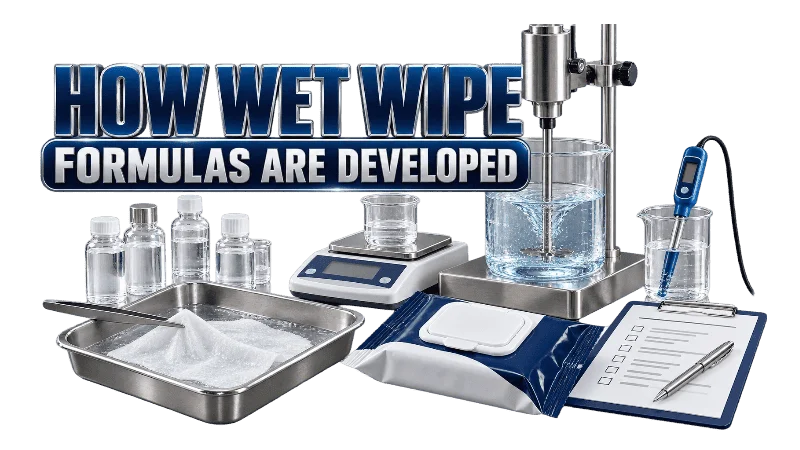
A wet wipe formula is not simply water mixed with a few ingredients.
The liquid inside the pack must clean or refresh as intended, feel comfortable on skin or surfaces, remain microbiologically stable and work with the selected nonwoven material and packaging. It also needs to perform the same way after transport, storage and repeated opening.
That is why wet wipe formula development is a step-by-step process. For private label wet wipes, the best result starts with a clear product brief, followed by practical sampling and testing. A good formula is not just one that looks good on an ingredient list. It is one that works in the finished wipe.
This guide explains how wet wipes manufacturers develop formulas for baby wipes, personal-care wipes, household wipes and other OEM wet wipes projects.
Start with the Product Brief
Before choosing ingredients, the wet wipes supplier needs to understand what the product is designed to do.
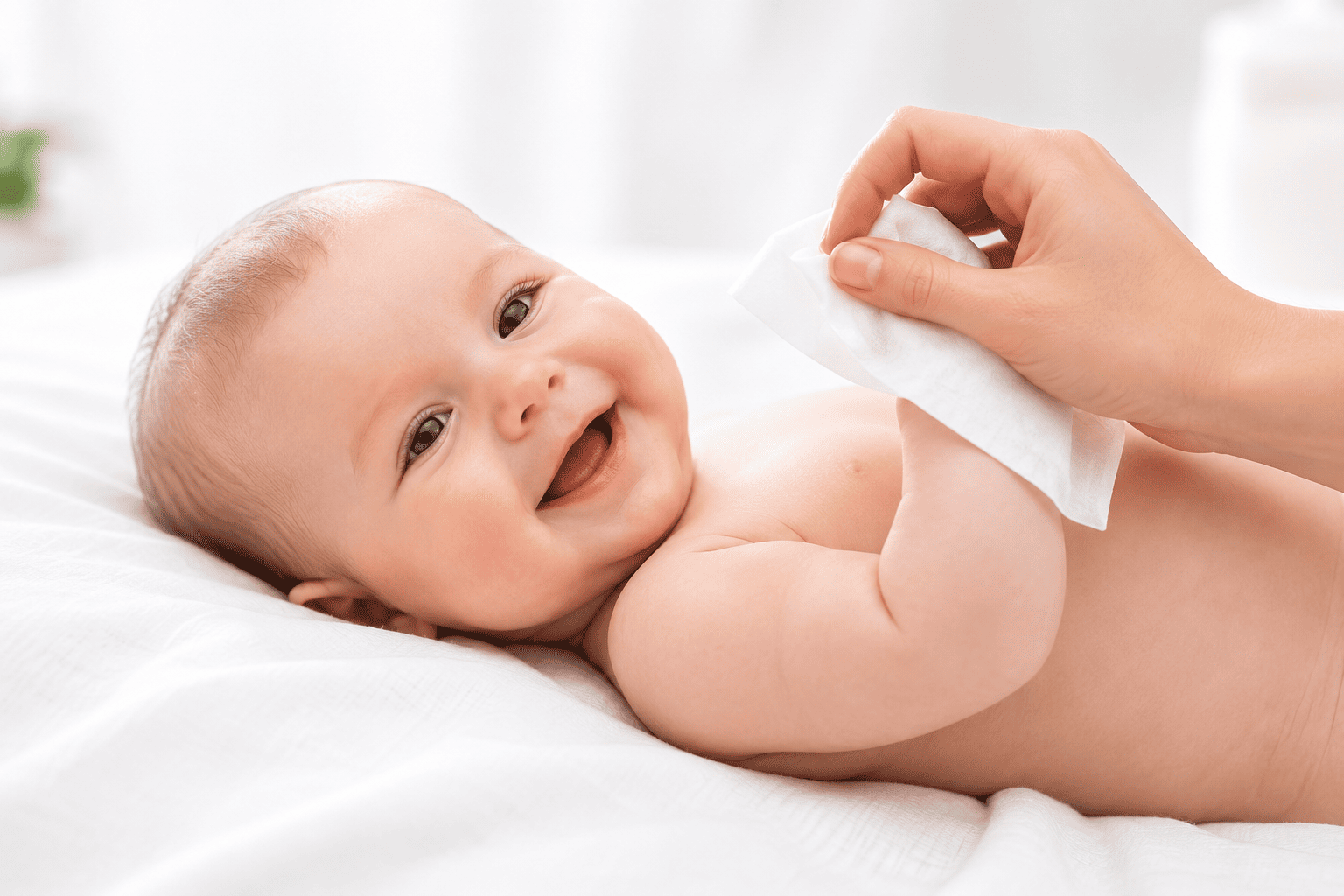
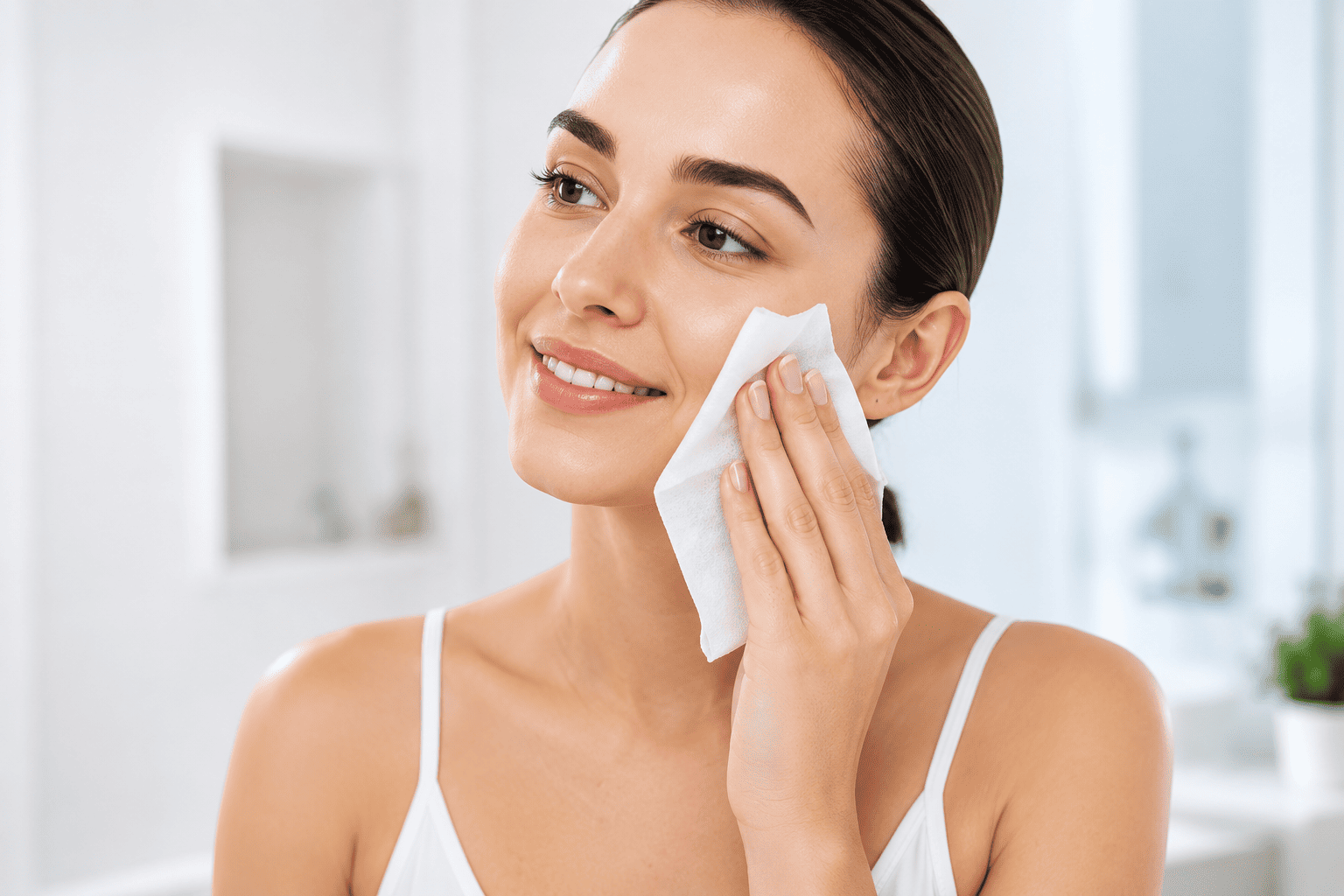
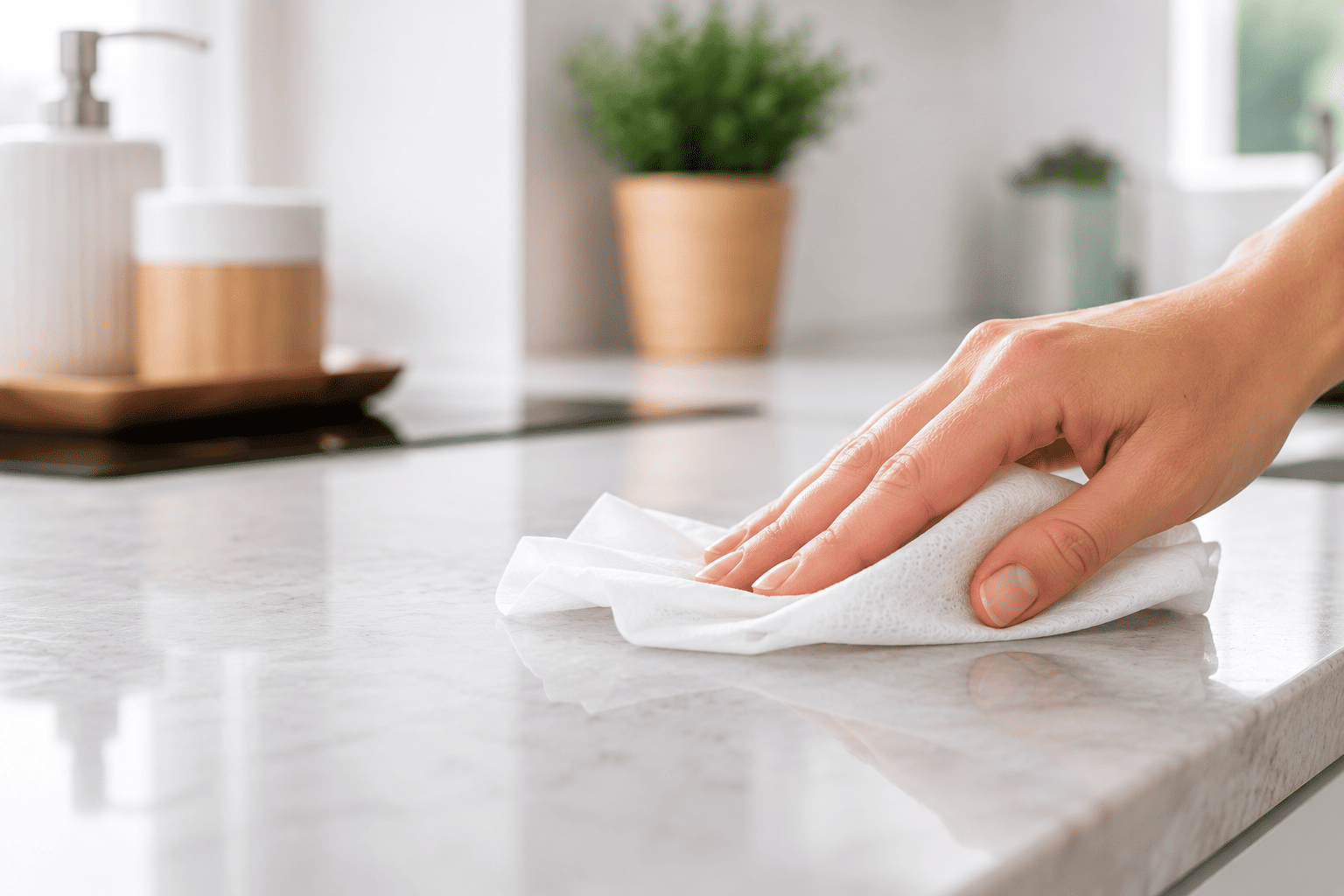
A body wipe, baby wipe, kitchen wipe and makeup-removal wipe may all look similar in a pack, but they require different formula priorities.
A clear product brief should include:
- Intended use
- Target consumer
- Target market
- Desired product claim
- Fragrance preference
- Alcohol-free or fragrance-free requirements
- Skin-feel expectation
- Wipe material and size
- Pack format and sheet count
- Target retail price
- Required documents or testing
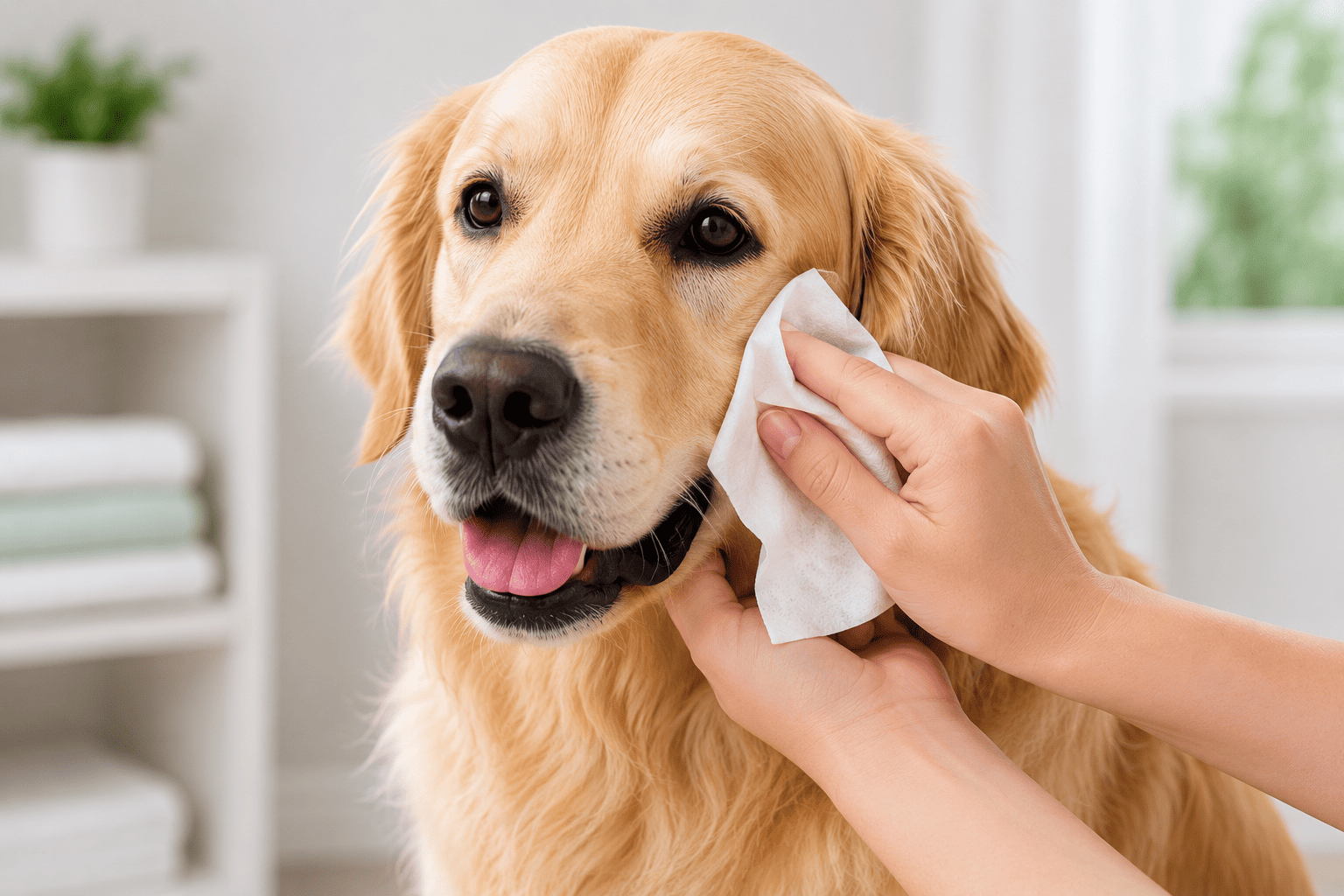
For example, a sensitive baby wipe may focus on a mild, fragrance-free and water-based formula. A deodorizing body wipe may need a refreshing sensory profile and a more noticeable fragrance. A household-cleaning wipe may prioritize soil removal and surface compatibility rather than skin feel.
The brief keeps the development process focused. Without it, a supplier may create a formula that is technically stable but does not match the product’s real market position.
The Formula Must Match the Product Category
The first rule of formula development is to define the product category correctly.
Cosmetic and personal-care wet wipes are usually designed to cleanse, refresh or care for skin. Household wipes are developed for surfaces. Disinfecting wipes may make antimicrobial claims and can require a different regulatory, testing and active-ingredient approach.
These categories should not be mixed together casually.
For example, adding an antibacterial-sounding ingredient to a body wipe does not automatically make it a disinfecting product. Likewise, a fragrance-free baby wipe should not be developed using the same formula approach as a heavy-duty kitchen wipe.
The intended claim should be confirmed before sampling begins. It affects ingredient selection, label wording, safety evaluation and the type of supporting evidence needed for the target market.
This is especially important for branded wet wipes sold internationally, where product rules can differ by country.
Water Is Usually the Main Ingredient
For most personal-care wet wipes, purified water is the main component of the formula.
Water gives the wipe its moisture and helps distribute other ingredients across the nonwoven material. Because water-based products can support microbial growth, water quality and microbiological control are central to product development.
The United States Food and Drug Administration notes that microbiological safety is an important issue for cosmetics, including disposable wipes.
In practice, formulators consider:
- Water-treatment method
- Microbiological quality of incoming water
- Storage conditions
- Formula pH
- Preservative system
- Manufacturing hygiene
- Packaging protection
A formula may look simple, but its water system still needs careful control. This is one reason a wet wipe should be developed as a full product system rather than as liquid alone.
Selecting Functional Ingredients
Once the base system is defined, the formulator chooses ingredients according to the intended use.
A simple personal-care wet wipe formula may include several functional groups.
| Ingredient Group | Typical Role in a Wet Wipe Formula |
|---|---|
| Purified water | Main liquid carrier |
| Humectants | Help support a comfortable, moisturized skin feel |
| Mild cleansing ingredients | Help remove everyday soil, oil or residue |
| Skin-conditioning ingredients | Support softness and after-feel |
| pH-adjusting ingredients | Help maintain the intended pH range |
| Preservatives | Help protect the product from microbial growth |
| Fragrance | Provides a selected scent profile, when appropriate |
| Botanical extracts or specialty ingredients | Support the desired product positioning |
Not every product needs every ingredient group. A fragrance-free baby wipe may use a short, simple formula. A cooling body wipe may include ingredients selected for a refreshing sensory experience. A makeup-removal wipe may need more effective cleansing support.
The goal is not to add as many ingredients as possible. A better formula is often one with a clear purpose, good compatibility and a pleasant user experience.
Preservative Selection Is a Core Development Step
Wet wipes are often packaged moist and used repeatedly after opening. This makes preservation especially important.
A preservative system is designed to help control microbial contamination during the product’s shelf life and expected use. However, the preservative cannot compensate for poor water quality, weak factory hygiene or an unsuitable packaging system.
ISO 11930 provides a framework for evaluating the antimicrobial protection of cosmetic products through preservative-efficacy testing and, where appropriate, microbiological risk assessment.
For wet wipes, this assessment should reflect the actual product. Research by Crémieux and colleagues noted that a conventional test performed only on the wetting liquid may not fully represent a wipe stored in its original packaging.
That is a useful lesson for private label buyers: a formula should not be approved based only on a bulk-lotion result. The final wipe substrate, liquid loading and pack format can all affect the finished product.
The Nonwoven Material Changes Formula Performance
Wet wipes raw material is not just a carrier for the liquid. It changes how the formula is absorbed, released and experienced during use.
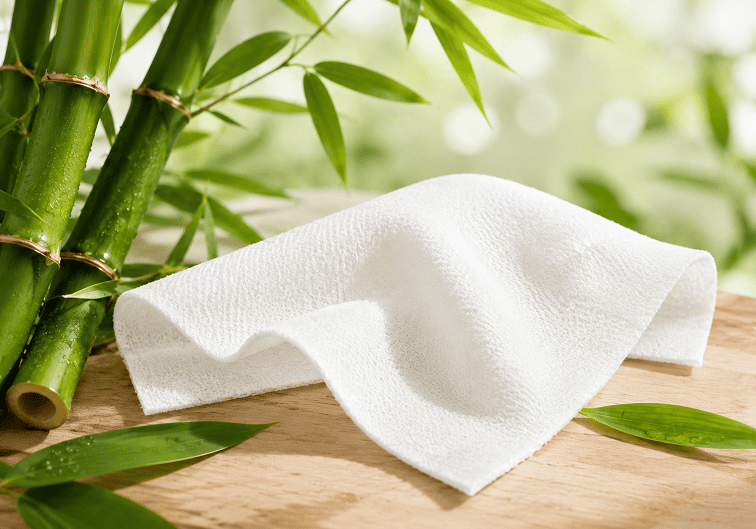
A soft, absorbent viscose-rich material may hold and release lotion differently from a polyester-rich spunlace material. A thicker wipe may carry more liquid. An embossed surface can change the feel of the wipe and how it contacts skin or a surface.
When developing a formula, wet wipes manufacturers should consider:
- Fiber composition
- GSM and thickness
- Absorbency
- Wet strength
- Surface texture
- Linting tendency
- Lotion-loading capacity
- Compatibility with the intended formula
This is why two wipes using the same liquid formula can feel very different. The nonwoven material can change the moisture level, wipe slip, softness and amount of liquid transferred during use.
For a buyer comparing bulk wet wipes, it is important to review the finished sample rather than judging a formula only by its ingredient list.
Formula and Fragrance Must Work Together
Fragrance is often part of the product experience, especially for body wipes, deodorizing wipes, men’s grooming wipes and household-cleaning wipes.
But fragrance should be selected carefully.
A strong scent may create an immediate feeling of freshness, yet it may not suit every consumer group or market. For baby wipes, intimate wipes and sensitive-skin wipes, fragrance-free positioning is often more appropriate. For travel or post-workout body wipes, a light citrus, clean linen or fresh aquatic profile may be preferred.
The formula needs to keep the fragrance stable over time and prevent unwanted changes in odor, color or appearance.
A practical sampling process may compare:
- Fragrance-free formula
- Light fragrance option
- Stronger fragrance option
- Different substrate materials
- Different pack formats
This gives the brand a real basis for choosing the final product instead of making the decision from a fragrance strip or a formula description alone.
pH, Skin Feel and Consumer Experience
For skin-contact wipes, pH is usually part of formula development because it can influence product comfort, ingredient stability and preservative performance.
The appropriate pH range depends on the product type, ingredients and intended use. A formulator should not copy the pH target of another product without checking whether it fits the new formula.
Skin feel is also important. Consumers may notice whether a wipe feels sticky, slippery, dry, overly wet or leaves visible residue.
During sample review, buyers should evaluate:
- Initial moisture level
- Cleansing feel
- Residue after use
- Fragrance intensity
- Softness of the material
- Wipe strength when wet
- Ease of unfolding
- Moisture consistency from the first wipe to the last
A formula can meet technical requirements but still fail commercially if it does not feel right in the customer’s hand.
Stability Testing Comes Before Mass Production
A newly developed wet wipe formula should be checked for stability before it is approved for full wet wipes production.
Stability testing helps identify whether the product may change during storage. Depending on the product, this can include monitoring appearance, odor, pH, moisture, viscosity, packaging condition and microbiological quality.
ISO/TR 18811:2018 provides guidance on stability testing for cosmetic products and can be used as a technical framework for choosing appropriate assessment methods. Cosmetics Europe also publishes stability-testing guidance intended to help manufacturers select and refine suitable stability tests.
For wet wipes, testing should use the intended final configuration wherever possible:
- Final formula
- Final nonwoven material
- Final lotion loading
- Final wipe size and fold
- Final pack film or container
- Final closure type
A loose wipe sample may perform well in the laboratory but behave differently after being compressed in a soft pack or stored under changing temperatures.
Packaging Compatibility Is Part of Formula Development
Packaging is not the last step. It is part of formula development.
The liquid formula must be compatible with the packaging film, closure, label adhesive and any plastic lid. The pack must also hold moisture, protect the wipes and allow convenient dispensing.
For example, a formula change may affect:
- Moisture retention
- Pack swelling
- Film appearance
- Seal performance
- Fragrance retention
- Wipe extraction
- Closure adhesion
This is why custom printed wet wipes manufacturers and suppliers should coordinate formula, wipe and packaging development.
Approving printed packaging too early can create unnecessary cost. If the formula, wipe thickness or pack count changes later, the package size, opening position or film layout may also need to change.
From Laboratory Sample to Finished-Pack Sample
The development process usually moves through several stages.
| Stage | Main Focus |
|---|---|
| Product brief | Define intended use, target market, claims and target cost |
| Initial formula selection | Select ingredients and prepare first formula options |
| Material matching | Test the formula with suitable nonwoven options |
| Sample review | Evaluate skin feel, odor, moisture, wipe strength and cleansing performance |
| Packaging trial | Check loading, folding, dispensing, sealing and pack appearance |
| Stability and microbiological testing | Assess product performance over storage and expected use |
| Final specification approval | Confirm formula, material, pack format and quality requirements |
| Mass production | Produce according to the approved reference and controls |
The process may sound detailed, but it prevents costly problems later. It is easier to adjust a fragrance, substrate or lotion loading during sampling than after artwork, cartons and production materials have already been approved.
What Buyers Should Ask a Wet Wipes Manufacturer
When sourcing private label wet wipes, buyers should ask questions that go beyond price per pack.
Useful questions include:
- Can you develop a formula for my intended use and market?
- Which wet wipes raw material options are compatible with the formula?
- Can you provide fragrance-free, alcohol-free or sensitive-skin options?
- How do you control water quality and microbiological safety?
- Can the final finished wipe be used for preservative-efficacy testing?
- What stability tests are recommended for this product type?
- Can you produce samples in the intended pack format?
- How do you control lotion loading during wet wipes manufacturing?
- Can you support custom printed film, labels and cartons?
- What documents can you provide for the target market?
- How are formula or material changes controlled after approval?
Wet wipes manufacturers in China can offer strong customization and competitive production capacity, but buyers should still make sure the supplier understands the target market and can provide a clear development process.
The right partner will explain what is feasible, what needs testing and where a product claim may create additional work.
Final Thoughts
A successful wet wipe formula is built through practical development, not guesswork.
The formula must match the intended use, the selected material, the pack and the target consumer. It must also remain stable and protected throughout its shelf life.
For brand wet wipes, the best approach is to begin with a clear brief, compare representative finished samples and approve a complete product specification before mass production.
QIMEI supports OEM wet wipes projects from formula development and material selection to packaging design and controlled production. Tell us your target market and product idea, and we can help develop a wet wipe that fits your brand instead of a generic off-the-shelf solution.
References
- U.S. Food and Drug Administration. Microbiological Safety and Cosmetics.
https://www.fda.gov/cosmetics/potential-contaminants-cosmetics/microbiological-safety-and-cosmetics - International Organization for Standardization. ISO 11930: Cosmetics — Microbiology — Evaluation of the Antimicrobial Protection of a Cosmetic Product.
https://www.iso.org/standard/91164.html - Crémieux, A., Cupferman, S., & Guesneau, C. (2005). Method for Evaluation of the Efficacy of Antimicrobial Preservatives in Cosmetic Wet Wipes. International Journal of Cosmetic Science, 27(6), 341–349.
https://pubmed.ncbi.nlm.nih.gov/18492191/ - International Organization for Standardization. ISO/TR 18811:2018 — Guidelines on the Stability Testing of Cosmetic Products.
https://www.iso.org/standard/63465.html - Cosmetics Europe. Guidelines on Stability Testing of Cosmetics.
https://cosmeticseurope.eu/resources/guidelines-on-stability-testing-of-cosmetics-ce-ctfa-2004/