 Meet Qimei at PLMA Chicago 2026 · November 15–17, 2026 · Booth #H3029
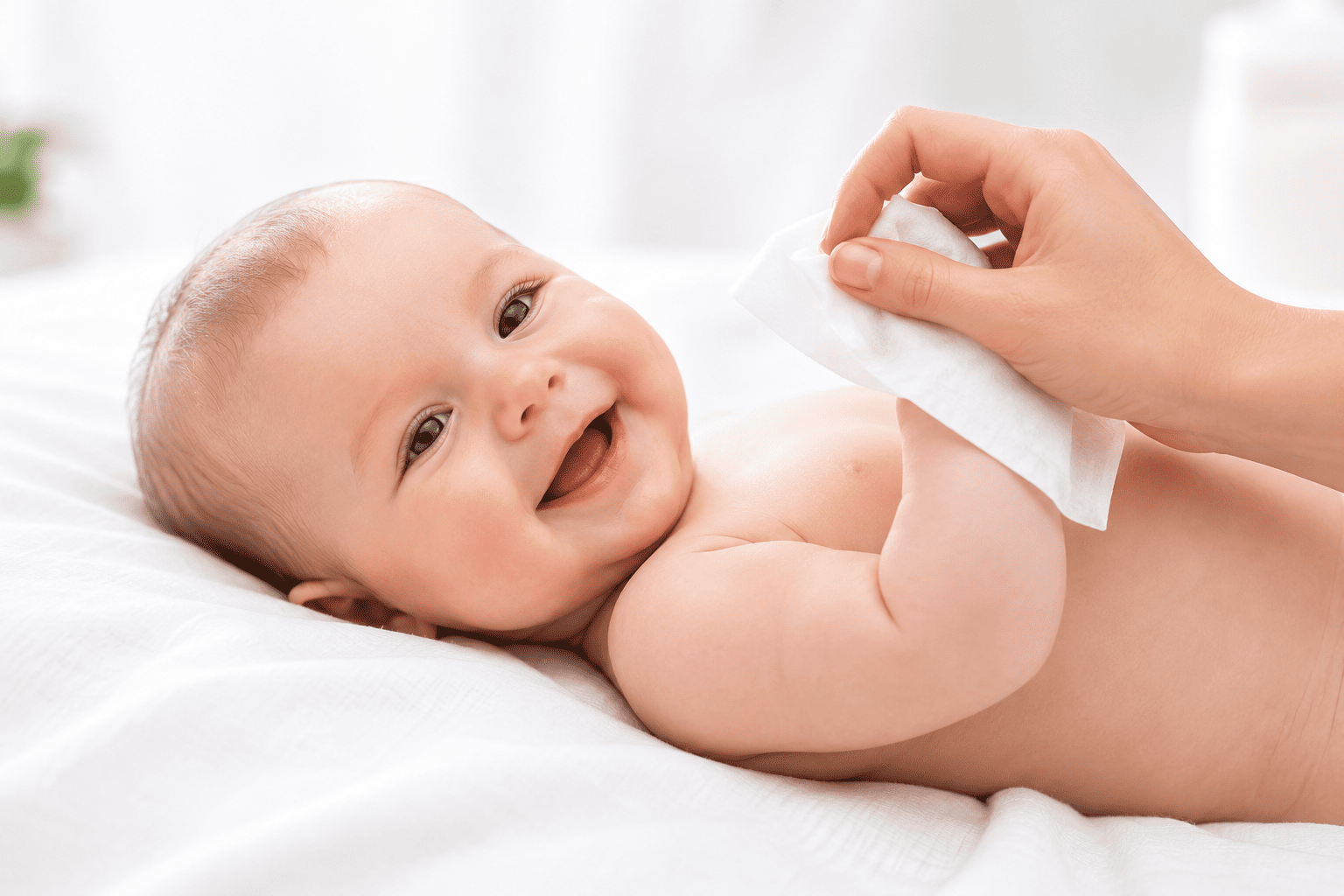
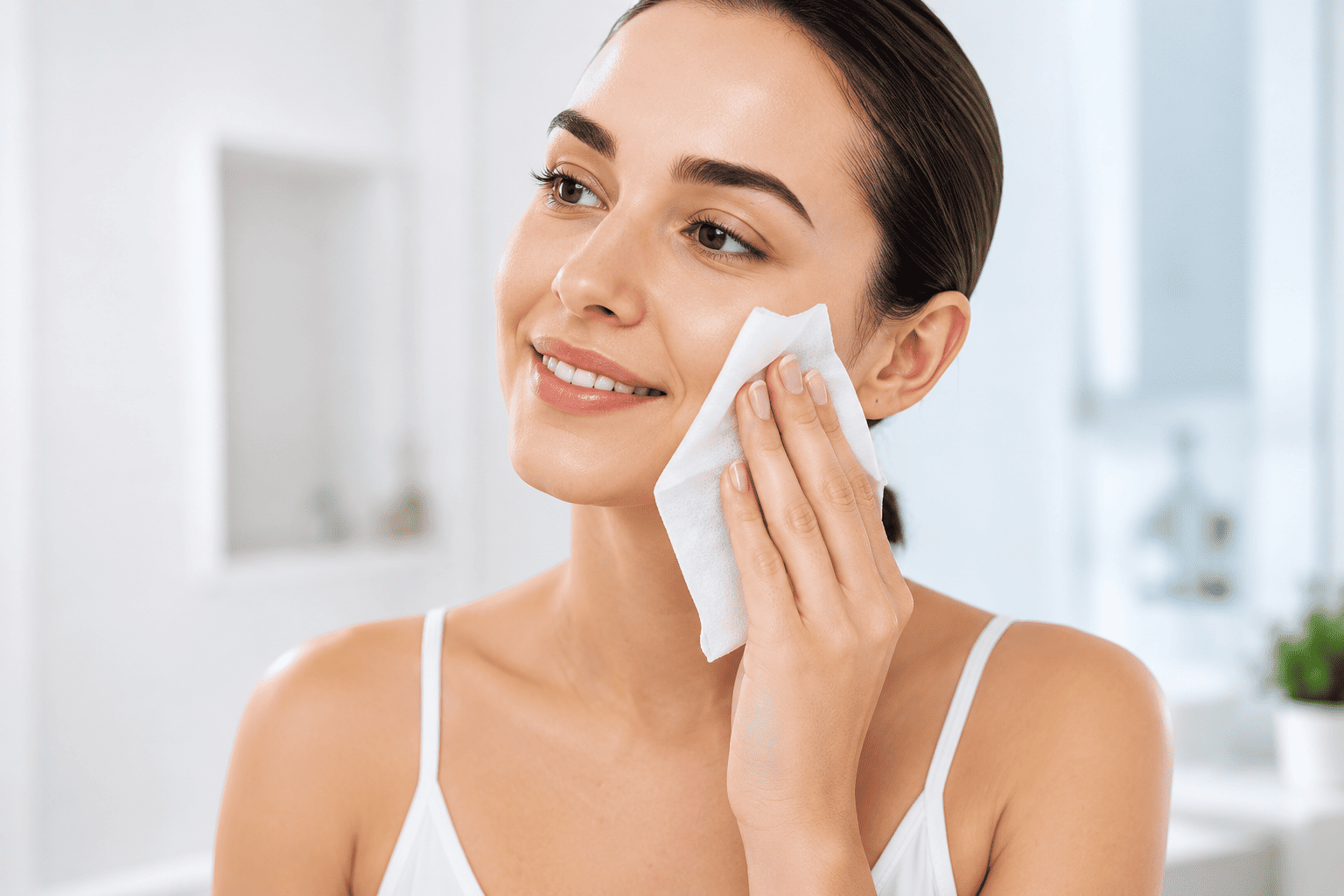
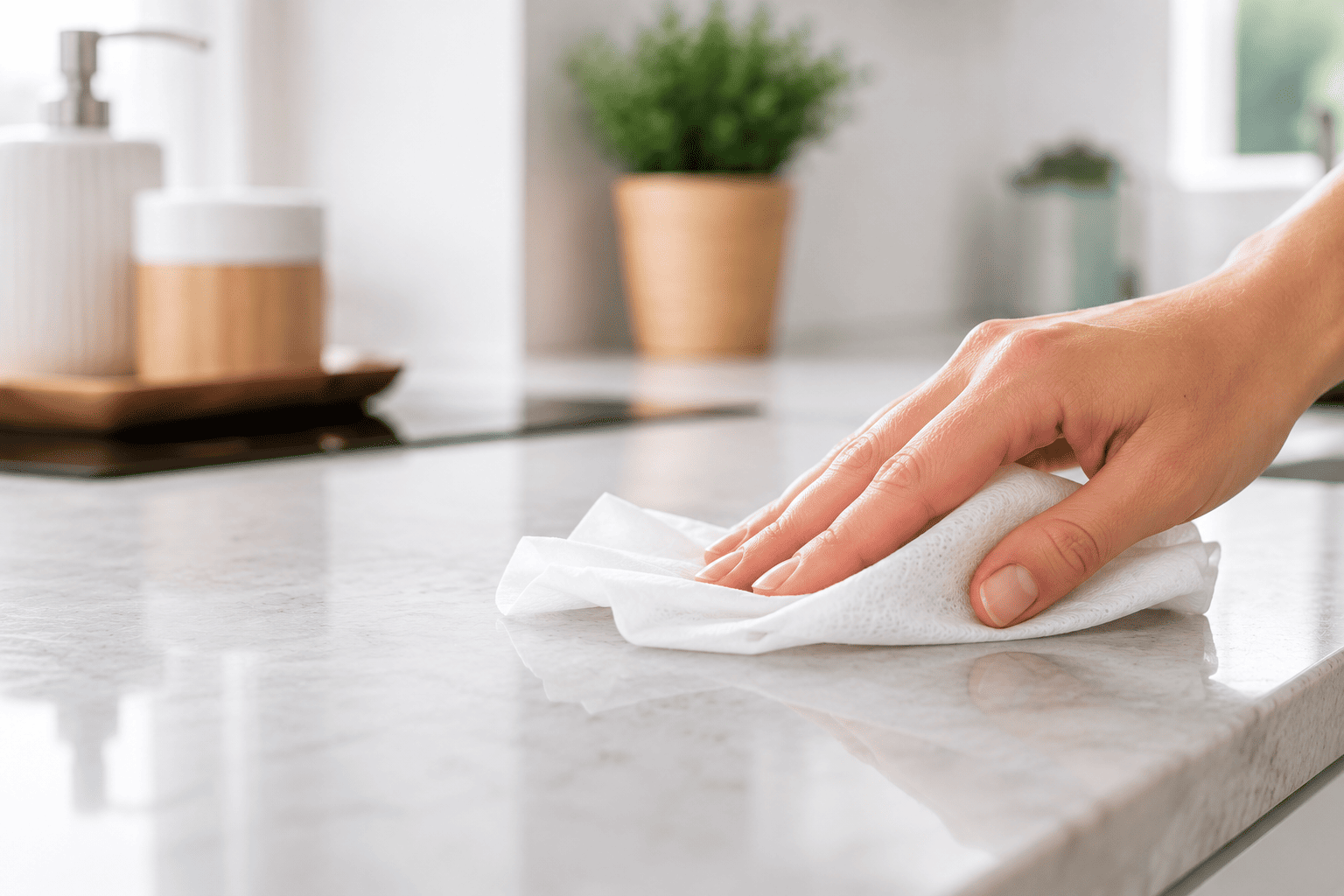
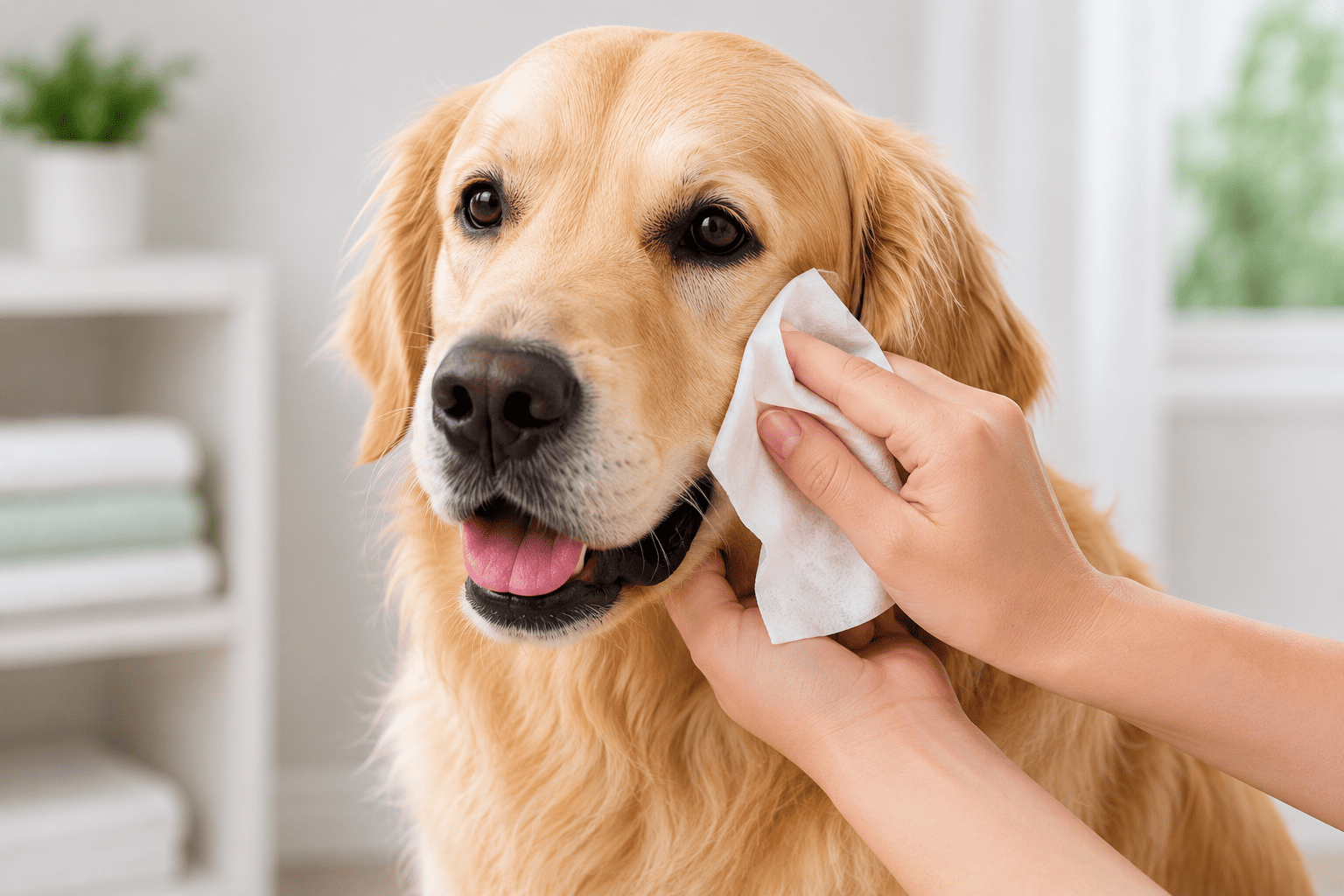
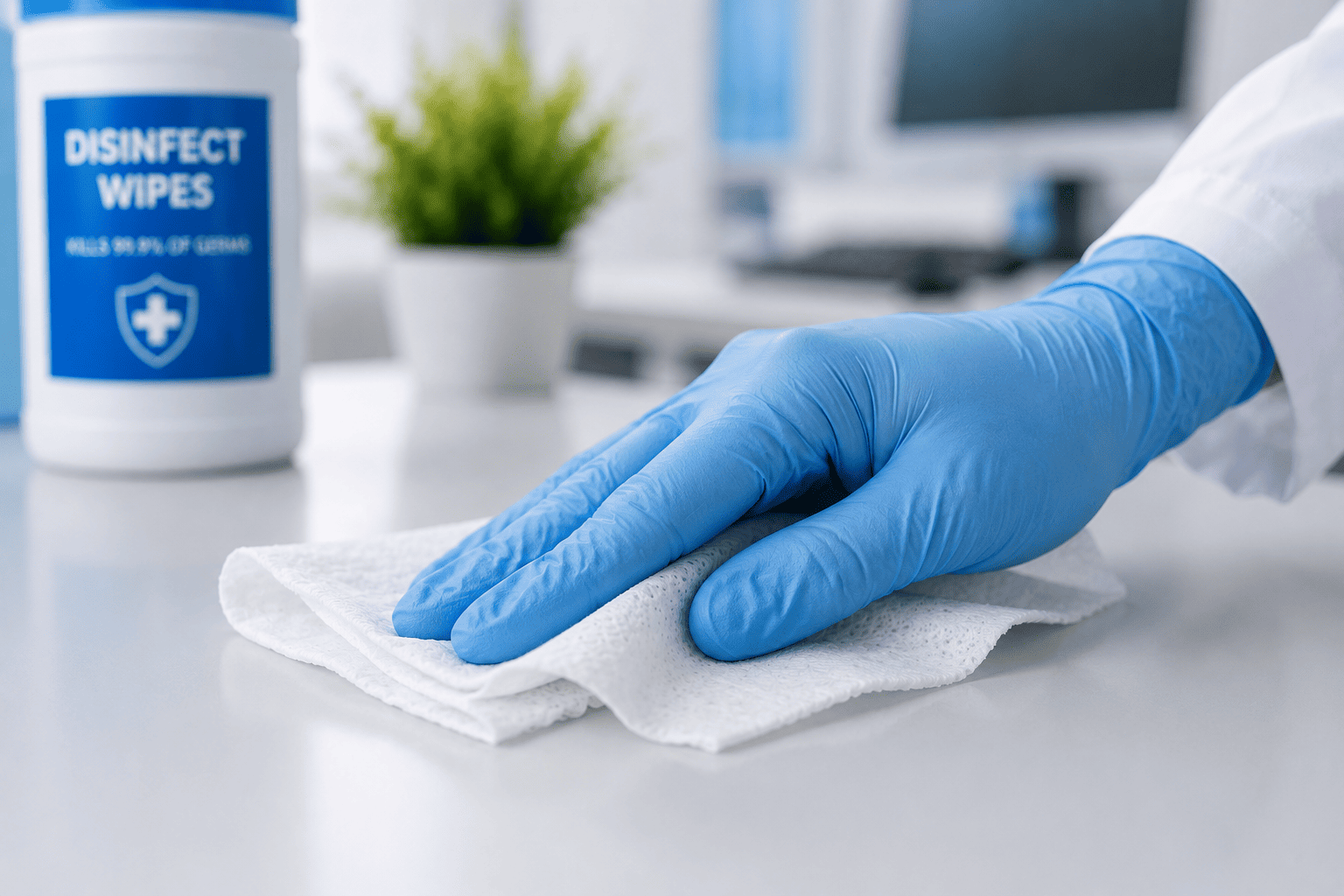
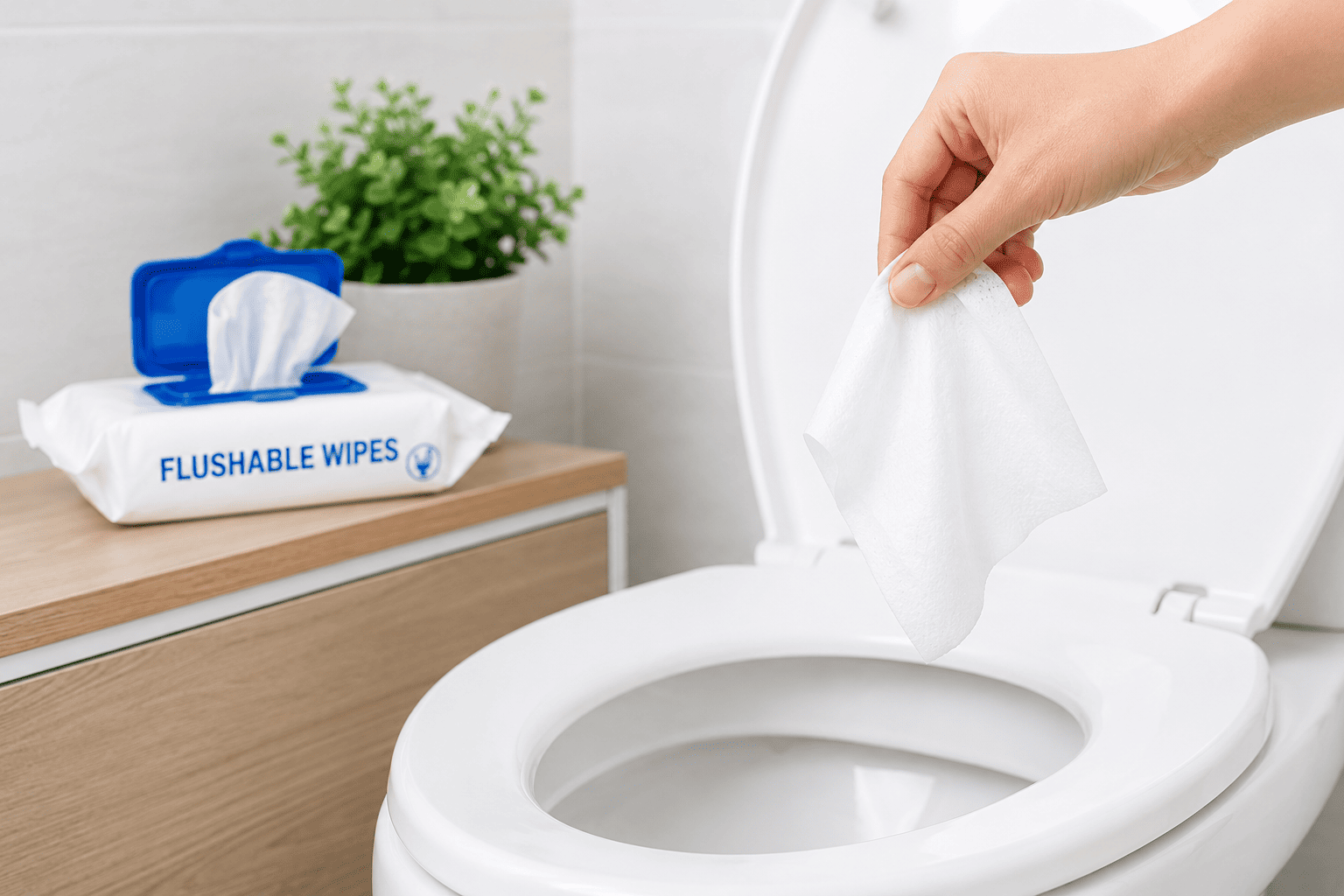
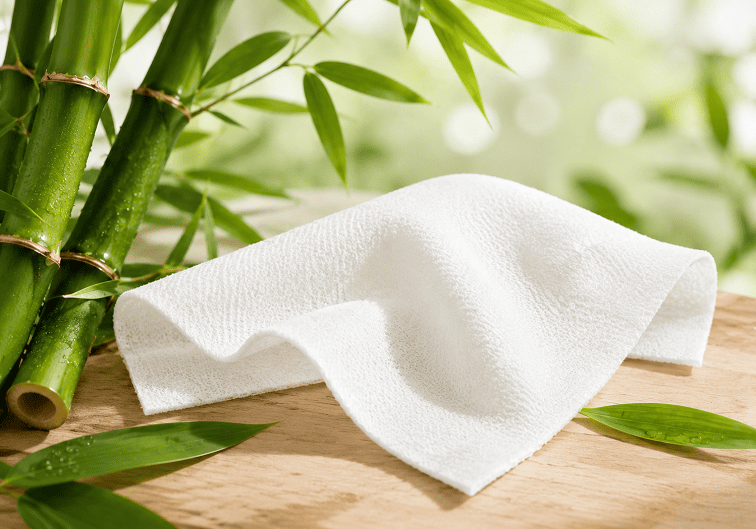
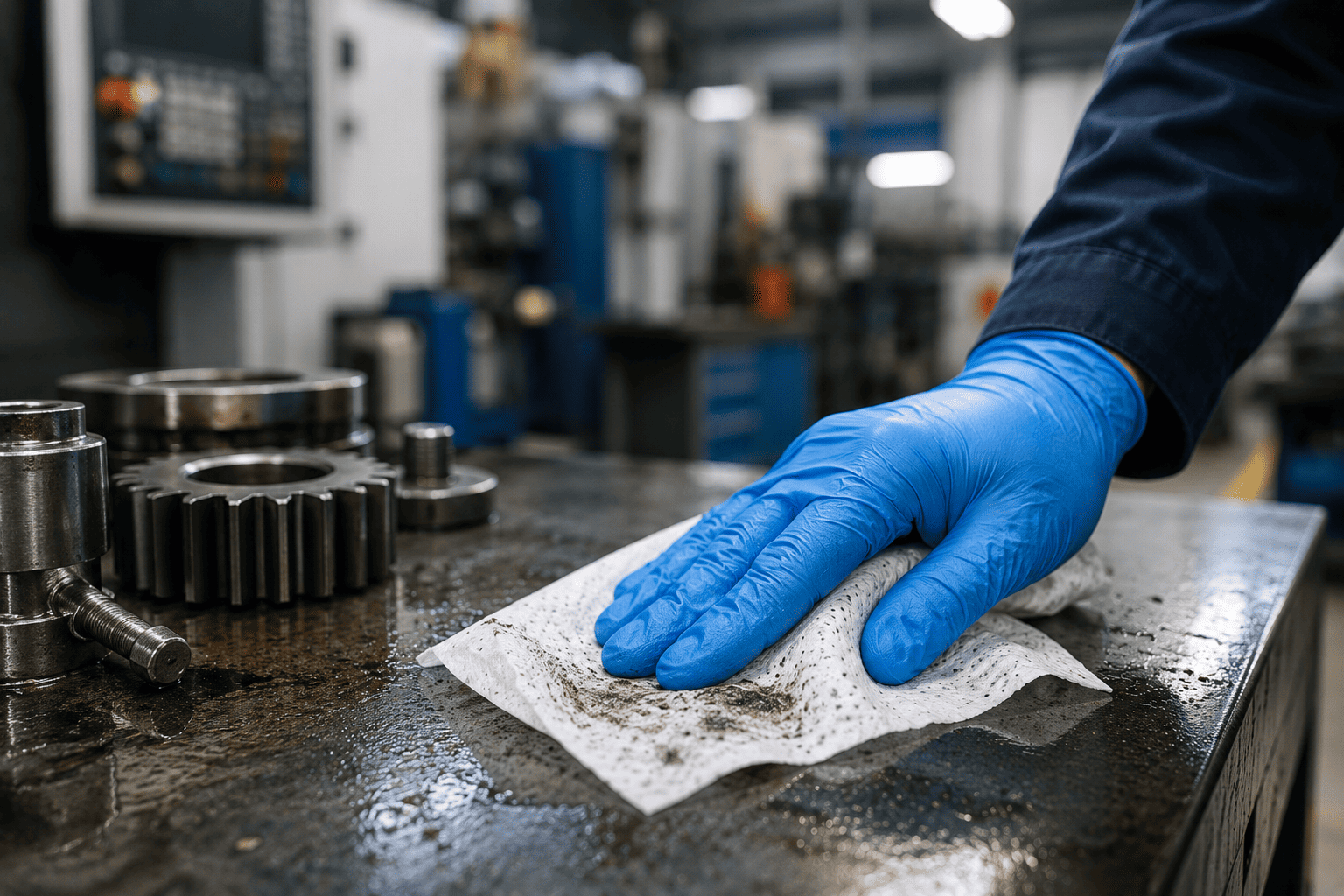


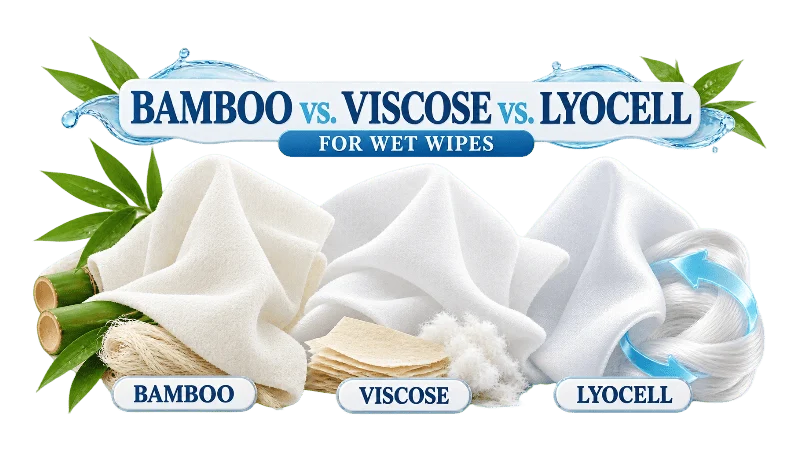
When developing a new wet wipes product, the nonwoven material is one of the first decisions to make. It affects softness, absorbency, wet strength, pack thickness, product claims and overall cost.
Bamboo, viscose and lyocell are often discussed together. This can make sourcing confusing. Some buyers assume they are three completely different fibers. Others assume they are interchangeable because they all come from cellulose.
The reality is more nuanced.
For private label wet wipes, the right choice depends on the wipe’s use, target market, required skin feel, sustainability position and package format. A baby wipe, body wipe and household wipe may all need a different balance.
This guide explains what buyers should know before selecting wet wipes raw material for OEM wet wipes or branded wet wipes.
First, What Does “Bamboo” Mean in a Wet Wipe?
“Bamboo” is often used as a broad marketing term. It is important to ask what the material actually is.
A mechanically processed bamboo fiber is made by physically separating fibers from the bamboo plant. This type of fiber is less common in mainstream wet wipes because it can be coarser and more difficult to process into a soft, uniform nonwoven.
More often, a “bamboo” wipe is made from regenerated cellulose. Bamboo is used as the cellulose feedstock, then processed into rayon or viscose fiber. In this case, the finished fiber is not the same as raw bamboo fiber.
The U.S. Federal Trade Commission states that textiles made from rayon or viscose using bamboo as the plant source should be described as “rayon made from bamboo” or “viscose made from bamboo.” It also warns against implying that the finished regenerated fiber keeps the bamboo plant’s natural antibacterial properties.
For a wet wipes manufacturer, this matters at the artwork stage. Buyers should not approve terms such as “100% bamboo,” “naturally antibacterial” or “eco-friendly bamboo” unless the actual fiber type and supporting evidence match the claim.
A better starting point is to request:
- The exact fiber composition
- The cellulose source, where available
- The nonwoven construction
- Material test data
- Documentation for environmental or forestry claims
- Approved wording for the target market
What Is Viscose for Wet Wipes?
Viscose is a regenerated cellulose fiber. It is commonly made from dissolving pulp, usually derived from wood, although bamboo and other cellulose sources can also be used.
Textile Exchange describes viscose as the most widely used man-made cellulosic fiber. It is generally derived from wood pulp, but bamboo and agricultural by-products may also be used as feedstocks.
Viscose is widely used in wet wipes because it can provide a soft feel, good liquid absorption and a familiar converting process. It is available in many fiber lengths and specifications, making it practical for a wide range of spunlace nonwovens.
For example, a private label baby wipes project may use viscose or a viscose blend to create a soft, absorbent sheet. A household wipe may use a different viscose grade or a blend designed for stronger wiping performance.
However, “viscose” alone is not a complete specification. Two viscose materials can feel very different because of:
- Fiber length and fineness
- Fiber cross-section
- Fiber blend
- GSM
- Web formation
- Hydroentanglement level
- Embossing pattern
- Lotion loading
- Final pack compression
A wet wipes supplier should therefore provide finished samples, not only a small dry fabric swatch.
What Is Lyocell for Wet Wipes?
Lyocell is also a regenerated cellulose fiber. It is usually produced from wood pulp, but the main difference is the manufacturing route.
In the lyocell process, cellulose is dissolved directly in a solvent and spun into fiber. In the viscose process, cellulose first goes through a chemical reaction called xanthation before dissolving.
Lyocell is often selected for premium personal-care, baby-care and sustainability-led wipe ranges. It can offer a soft hand feel, good absorbency and reliable wet handling when the right nonwoven structure is used.
Some lyocell producers use a closed-loop process that recovers and reuses most of the solvent. For example, Lenzing states that its lyocell process recovers and reuses approximately 99.8% of the solvent. This is specific to that production technology and should not be treated as a universal figure for every lyocell supplier.
For buyers, lyocell is often worth considering when the brand wants to build a stronger material story. But the material still needs to work in the finished product. A premium fiber does not automatically guarantee better dispensing, lower linting or a better user experience.
Bamboo vs. Viscose vs. Lyocell: A Practical Comparison
| Factor | Bamboo Fiber / Bamboo Viscose | Viscose | Lyocell |
|---|---|---|---|
| Main point to confirm | Is it mechanically processed bamboo or regenerated viscose made from bamboo? | Source pulp, fiber grade and nonwoven construction | Pulp source, fiber grade and production route |
| Material type | May be natural bamboo fiber or regenerated cellulose | Regenerated cellulose | Regenerated cellulose |
| Common wet wipe use | Sustainability-positioned wipes and selected personal-care products | Baby wipes, facial wipes, body wipes and household wipes | Premium baby wipes, personal care, facial and sustainability-led wipes |
| Hand feel | Depends strongly on the actual finished fiber and web | Usually soft and absorbent | Often soft, smooth and absorbent |
| Production consideration | Claims require careful wording | Broad availability and flexible converting options | May have different availability and price positioning |
| Claim risk | High if “bamboo” is used without describing the regenerated fiber correctly | Avoid broad environmental claims without source evidence | Avoid treating one supplier’s closed-loop data as applying to all lyocell |
The table is a starting point, not a quality ranking. In wet wipes manufacturing, the fiber is only one part of the system.
Which Material Feels Softer?
Softness is important for baby wipes, facial wipes and intimate wipes. But it is not determined by the fiber name alone.
A lower-GSM wipe made with a fine, well-formed lyocell or viscose nonwoven may feel softer than a heavier sheet with a rough embossing pattern. The formula can also change the result. A wipe may feel smooth when dry but become stiffer after a high lotion loading or a long storage period.
Research on wet wipes made from cellulose-based fibers, including viscose and TENCEL™ lyocell, shows that material composition and wetting solution both influence objective and consumer-perceived performance.
For this reason, brands should compare materials in the final product format:
- Use the intended lotion
- Use the planned fold and pack count
- Test the first, middle and last wipes
- Check feel after storage
- Evaluate wiping performance, not only softness
The most expensive material is not always the best material for the target consumer.
Wet Strength and Absorbency: Why Finished-Pack Testing Matters
A wipe needs to hold lotion, clean effectively and stay intact during use. These properties are influenced by fiber, but also by the fabric structure and converting process.
Hydroentanglement, fiber orientation, embossing, basis weight and blend ratio can change how a wipe absorbs liquid and how it responds when pulled. Studies of nonwoven wipes have found that fiber composition and tensile properties vary widely across products.
This has a practical effect on sourcing.
A soft baby wipe may prioritize gentle skin feel and controlled lotion release. A body wipe may need a larger sheet with more wet strength. A cleaning wipe may need better pickup and abrasion resistance.
Instead of asking only, “Which material is stronger?”, give your OEM wet wipes partner a clear product brief:
- What is the wipe used for?
- What sheet size and GSM are required?
- Is the wipe fragrance-free or heavily lotion-loaded?
- Does the pack need one-at-a-time dispensing?
- Is the target product value, mid-range or premium?
- What claims are planned for the pack?
- Which market will receive the product?
This helps wet wipes manufacturers recommend a material that fits the full product, not just one headline claim.
Do Cellulose-Based Wipes Automatically Qualify as Biodegradable?
No. A cellulose-based material can support a plastic-free or cellulosic product concept, but the fiber name alone does not prove a finished wipe is biodegradable, compostable or flushable.
The formula, wet-strength system, nonwoven construction, packaging claim and disposal environment all matter. Research on cellulose-based wet wipes has also shown that their degradation behavior can vary in real freshwater environments.
Compostability and biodegradability claims should be supported by the relevant test method and product-specific evidence. ASTM D5338, for example, covers aerobic biodegradation under controlled composting conditions using compost-derived inoculum. It does not mean a product will break down at the same rate in a home bin, sewer or natural waterway.
For private label wet wipes, it is safer to approve the claim only after the supplier confirms:
- Which part of the product was tested
- Which test method was used
- What disposal environment the test represents
- Whether the lotion and finished wipe were included
- Which wording is appropriate in the destination market
Clear language protects both the brand and the distributor.
How Material Choice Affects Packaging and Cost
Changing from viscose to lyocell, or from a standard viscose blend to bamboo viscose, can affect more than the fabric quotation.
The change may influence:
- Sheet thickness and stack height
- Lotion absorption and finished wipe weight
- Package dimensions
- Dispensing resistance
- Pack count
- Printed-film layout
- Freight weight
- Product positioning
For example, a more bulky material may require a deeper pack or lower sheet count. A highly absorbent substrate may need a revised lotion-loading target. If these changes happen after artwork approval, the project can become slower and more expensive.
That is why custom printed wet wipes manufacturers and suppliers should coordinate the wipe, formula and packaging together. A printed pack is not only a branding tool. It must protect moisture, support dispensing and accurately communicate the product material and claims.
How to Compare Samples From a Wet Wipes Supplier
When reviewing material options, do not rely only on vague names such as “bamboo wipe” or “premium viscose.” Ask for controlled samples with clear specifications.
A useful sample comparison should include:
- Fiber composition and source description
- GSM and allowable tolerance
- Nonwoven type and embossing pattern
- Wipe dimensions
- Lotion formula and loading
- Fold type and interfolding
- Pack count and closure type
- Wet tensile and absorbency data, where relevant
- Claim-supporting documents
- Retained sample or approved material code
Test samples in the same pack format whenever possible. A material that feels excellent as a loose sheet may not perform well after compression, transport and repeated opening.
For buyers working with wet wipes manufacturers in China or elsewhere, clear documentation is especially important. It helps the buyer compare quotations fairly and reduces the risk of a raw-material substitution during bulk production.
Choosing the Right Option for Your Product
Bamboo, viscose and lyocell can all be suitable wet wipes raw materials. The correct choice is the one that supports the real product brief.
Choose a carefully specified bamboo-derived viscose when the brand has a clear bamboo-based cellulose story and compliant claim wording.
Choose viscose when you need a widely used regenerated-cellulose option with flexible material specifications for baby wipes, body wipes or general personal-care products.
Consider lyocell when the product needs a premium cellulosic material story, strong documentation and a carefully managed sustainability position.
In every case, ask the wet wipes supplier to validate the final wipe—not just the fiber name.
QIMEI supports private label wet wipes and OEM wet wipes projects from material selection through sample development, custom packaging and wet wipes production. Contact our team with your target wipe type, market and claim requirements, and we can help you compare suitable material options for a retail-ready product.
References
- Federal Trade Commission. “Bamboo Textiles.” Guidance on labeling rayon or viscose made from bamboo.
- Textile Exchange. “Viscose.” Overview of viscose as a man-made cellulosic fiber and potential cellulose feedstocks.
- Lenzing. “Fiber Technologies: Explore Lenzing’s Production Processes.” Description of viscose xanthation and lyocell solvent recovery in Lenzing’s production process.
- Kaplan, S., Pulan, S., & Ulusoy, S. “Objective and Subjective Performance Evaluations of Wet Wipes Including Herbal Components.” Textile Research Journal, 2018. Article page.
- Kwon, J. H. et al. “Physical Characteristics, Fiber Compositions, and Tensile Properties of Nonwoven Wipes and Toilet Papers in Relevance to What Is Flushable.” Science of the Total Environment, 2019. PubMed record.
- ASTM International. “ASTM D5338: Aerobic Biodegradation Under Controlled Composting Conditions.”
- Environmental Pollution. “Cellulose-Based Wet Wipes Undergo Limited Degradation in River Environments.” 2025.